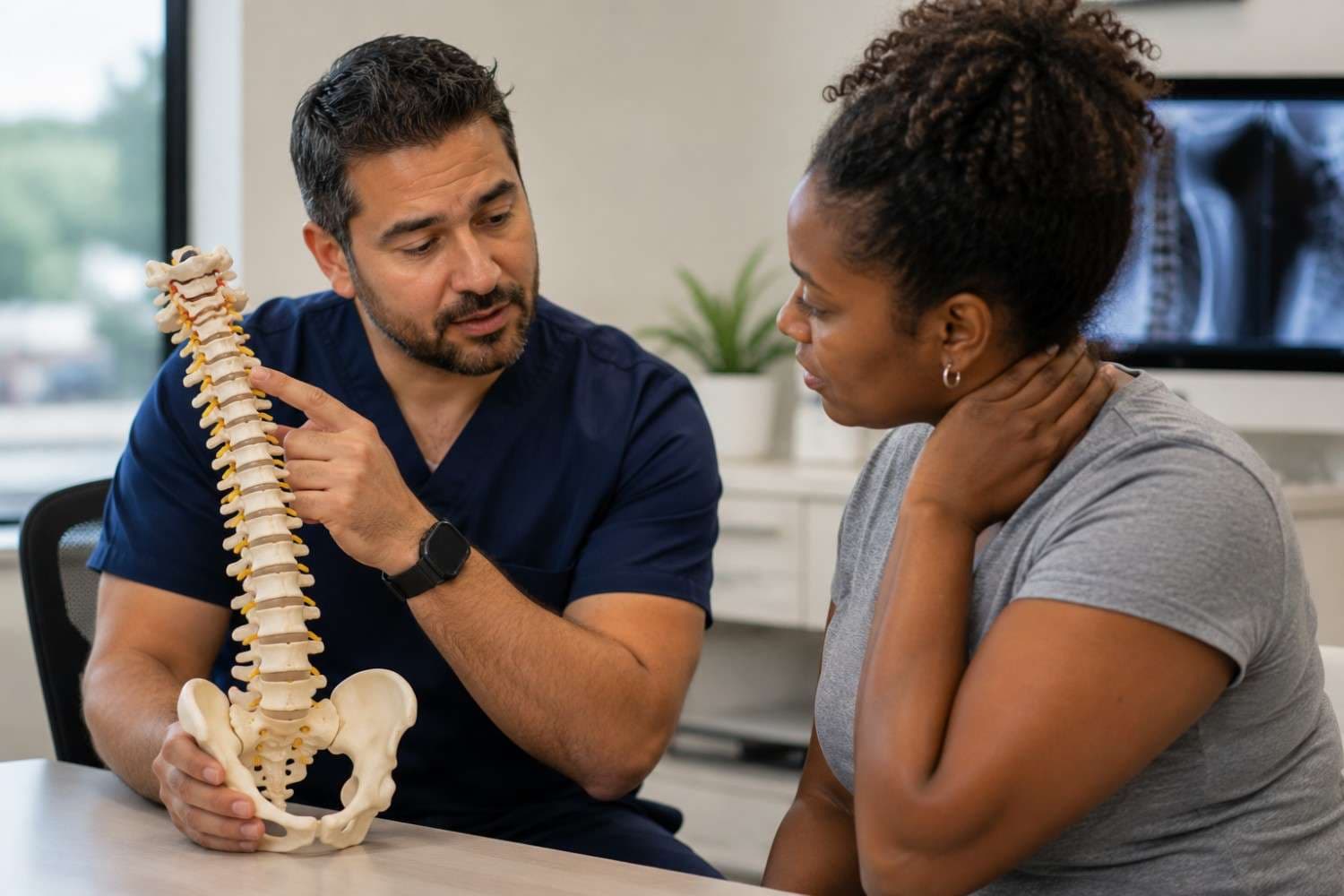
Living with Chronic Back Pain: How Pain Management Can Help
DS
By Deepak Sharma, DC
Medically reviewed
Owner & Doctor of Chiropractic · 49 min read · Published · Updated · Last reviewed

Living with chronic back pain is a reality for a significant portion of the population, including many residents of Beaumont, TX. Unlike acute pain that resolves relatively quickly, chronic back pain persists for three months or longer, often impacting every facet of a person’s life. Studies indicate a concerning rise in the prevalence of chronic low back pain, highlighting the growing need for effective management strategies. While it can be incredibly challenging, understanding chronic back pain Beaumont and the multidisciplinary approaches available through pain management is the first step towards finding relief and reclaiming your quality of life.
At Car Accident Cares in Beaumont, we understand the profound impact that persistent back pain can have. We are dedicated to providing comprehensive pain management for back pain, utilizing an integrated philosophy that addresses not just the physical symptoms but also the psychological and social effects. This article serves as your guide to understanding chronic back pain and exploring how tailored pain management solutions can offer hope and improved function for those in the Beaumont community. We believe in a multidisciplinary approach, bringing together various specialties to create personalized plans aimed at providing effective pain relief Beaumont.
Understanding Chronic Back Pain
To effectively manage chronic back pain Beaumont, it’s essential to have a clear understanding of what it is, its potential origins, and its widespread impact. This section lays the foundation for recognizing the condition and appreciating the need for dedicated pain management strategies.
What Is Chronic Back Pain?
Chronic back pain is defined as pain in the back that lasts for 12 weeks or longer, even after the initial injury or cause of acute pain has been treated. This persistence is what differentiates it from acute back pain, which is typically short-lived. While acute pain is often a direct response to injury, chronic pain can be more complex, sometimes involving ongoing inflammation, nerve sensitization, or changes in how the brain processes pain signals.
The transition from acute to chronic pain is not always straightforward and can be influenced by various factors. Physiologically, chronic pain can lead to changes in the nervous system, making it hypersensitive and perpetuating the pain signals even when the original tissue injury has healed. Psychologically, living with constant pain can lead to stress, anxiety, and depression, which can, in turn, amplify the pain experience. Understanding this difference is crucial for developing appropriate chronic back pain treatment strategies. According to WHO data, low back pain alone affects 7.5% of the global population, representing a significant public health challenge that is certainly felt here among chronic back pain sufferers in Beaumont.
Common Causes and Risk Factors
While many cases of chronic back pain estimated between 85% and 95% may not have a single, identifiable pathoanatomical cause on imaging , it’s important to investigate potential specific issues when they are present. Identifiable causes of chronic back pain can include:
- Herniated or Bulging Discs: When the soft inner material of an intervertebral disc pushes out, it can press on nearby nerves, causing persistent pain, numbness, or weakness.
- Degenerative Disc Disease: Over time, discs can lose hydration and height, leading to pain and instability.
- Spinal Stenosis: A narrowing of the spinal canal can put pressure on the spinal cord and nerves.
- Osteoarthritis: Degeneration of the facet joints in the spine can cause chronic pain and stiffness.
- Spondylolisthesis: When one vertebra slips forward over another.
- Previous Injuries or Surgeries: Scar tissue or altered mechanics from past trauma or procedures can lead to chronic pain.
- Certain Medical Conditions: While less common, conditions like fibromyalgia, inflammatory arthritis, or even tumors can cause chronic back pain.
Beyond specific conditions, several risk factors increase the likelihood of developing chronic back pain Beaumont:
- Age: The prevalence of back pain tends to increase with age, peaking in individuals between 50 and 55 years old. Degenerative changes in the spine accumulate over time.
- Gender: Women often report a higher incidence of low back pain compared to men. Hormonal factors, pregnancy, and differences in musculoskeletal anatomy may play a role.
- Occupational Factors: Certain jobs are more demanding on the back. Occupations involving heavy lifting, repetitive bending or twisting, prolonged sitting or standing, or exposure to vibration are associated with higher risk.
- Previous Back Injuries: A history of acute back pain or injury significantly increases the risk of developing chronic pain later.
- Lifestyle Factors: Obesity places excess strain on the spine. Smoking can impair blood flow to spinal tissues, hindering healing. Lack of exercise leads to weak core muscles that provide spinal support. Poor posture and improper body mechanics also contribute.
Understanding these causes and risk factors helps in both diagnosing and developing effective chronic back pain treatment strategies.
The Economic and Social Impact
The burden of chronic back pain extends far beyond individual suffering, imposing significant economic and social costs. Globally, low back pain is the leading cause of disability. In the United States, it accounts for an enormous number of lost workdays, with estimates reaching up to 149 million days per year. The direct and indirect healthcare costs associated with back pain, including doctor visits, treatments, and lost productivity, are staggering, estimated to be between $100 billion and $200 billion annually.
For residents of Beaumont, TX, this translates to real-world consequences. Lost income due to inability to work, difficulty performing job duties, increased healthcare expenses, and reduced participation in community activities all contribute to the significant impact of chronic back pain. Beyond the financial, the social impact is profound, affecting relationships, hobbies, and overall engagement with life. Addressing chronic back pain Beaumont is not just about individual health; it’s about supporting the well-being and productivity of the community.

To delve deeper into specific types of chronic back pain and potential treatment pathways, you can Learn more about specialized treatment options for lower back pain.
How Chronic Back Pain Affects Daily Life
Living with constant, unrelenting back pain fundamentally changes how you interact with the world. It’s not just a physical sensation; it’s an experience that permeates every aspect of daily existence, creating challenges that extend far beyond simple discomfort. Understanding these impacts is vital for both sufferers and healthcare providers aiming to provide effective chronic back pain treatment.
Physical Limitations and Mobility Issues
Chronic back pain severely restricts physical capabilities. Simple, everyday tasks that most people take for granted become monumental challenges. Bending over to tie shoes, lifting groceries, getting in and out of a car, or even just walking for an extended period can be excruciating. This constant pain and stiffness lead to:
- Reduced Range of Motion: Stiffness and pain limit the ability to flex, extend, or twist the spine fully.
- Decreased Strength and Endurance: Pain makes it difficult to engage core and back muscles, leading to weakness and faster fatigue during activity.
- Activity Avoidance: The fear of pain often leads individuals to avoid physical activities altogether, resulting in deconditioning and a worsening of symptoms over time. This can make navigating the demands of daily life in Beaumont, from managing a household to participating in local events, incredibly difficult.
This cycle of pain-avoidance-deconditioning is a significant barrier to recovery and highlights the need for interventions that safely reintroduce movement and build physical resilience.
Sleep Disruption and Energy Depletion
Chronic pain and restful sleep are often incompatible. Finding a comfortable position, staying asleep throughout the night, and achieving deep, restorative sleep are common struggles for those with chronic back pain.
- Difficulty Falling or Staying Asleep: Pain flares can make it hard to relax and fall asleep. Waking up due to pain is also frequent.
- Poor Sleep Quality: Even when sleep is achieved, it may be fragmented and less restorative, leading to daytime fatigue.
This lack of quality sleep creates a vicious cycle: poor sleep increases pain sensitivity and decreases energy levels, while increased pain further disrupts sleep. Managing sleep is a critical component of effective pain management for back pain.
Work and Career Challenges
Chronic back pain is a major contributor to disability and lost productivity in the workplace. Depending on the nature of your job in Beaumont, the impact can range from minor inconvenience to complete inability to perform duties.
- Difficulty with Physical Tasks: Jobs requiring lifting, carrying, prolonged standing, or manual labor become exceedingly difficult or impossible.
- Challenges with Sedentary Work: Even office jobs can be painful due to prolonged sitting and poor ergonomic setups, leading to decreased focus and productivity.
- Increased Absenteeism: Pain flare-ups and doctor appointments can lead to frequent absences from work.
- Risk of Job Loss: In severe cases, individuals may be unable to continue in their current roles, facing the prospect of seeking less physically demanding employment or applying for disability benefits.
Navigating workplace challenges and seeking accommodations is a key concern for many experiencing chronic back pain Beaumont.
Psychological and Emotional Effects
Living with chronic pain takes a significant toll on mental and emotional well-being. The constant discomfort, limitations, and uncertainty about the future can lead to a range of psychological issues.
- Depression and Anxiety: Chronic pain is strongly associated with higher rates of depression and anxiety. The feeling of helplessness and loss of control can be overwhelming.
- Stress and Frustration: Managing pain, navigating the healthcare system, and dealing with the impact on daily life are constant sources of stress and frustration.
- Fear-Avoidance Behaviors: The fear of aggravating pain can lead to avoiding activities, which, while seemingly protective, can actually worsen pain and disability over time by leading to deconditioning and isolation.
- Social Isolation: Inability to participate in social activities, hobbies, and spending time with loved ones due to pain or fatigue can lead to feelings of isolation and loneliness.
Addressing the psychological and emotional aspects is just as important as treating the physical pain in a comprehensive chronic back pain treatment plan. There is a recognized link between chronic pain and psychological trauma, which you can learn more about on our page regarding the connection between chronic pain and psychological trauma.

Diagnosing Chronic Back Pain in Beaumont
Accurate diagnosis is the critical first step in developing an effective plan for chronic back pain treatment. A thorough evaluation by experienced healthcare professionals is essential to identify potential causes, understand the nature of your pain, and rule out serious underlying conditions. At Car Accident Cares in Beaumont, we have the expertise and resources to conduct a comprehensive diagnostic process.
When to Seek Medical Attention
While it can be difficult to know when to seek professional help for persistent back pain, there are certain signs and symptoms that warrant evaluation:
- Pain lasting longer than 3 months: This is the hallmark of chronic pain and indicates the need for a thorough assessment.
- Pain that doesn’t improve with rest or self-care: Unlike acute pain that often improves with rest, chronic pain may persist regardless of activity level.
- Pain accompanied by other symptoms: Fever, unexplained weight loss, new bowel or bladder problems, or pain that worsens at night can indicate more serious underlying conditions and require immediate medical attention.
- Pain following a significant injury: If your chronic pain began after a car accident, fall, or other trauma common in the Beaumont area, a professional evaluation is necessary.
- Pain that radiates down the leg with numbness or weakness: This could indicate nerve compression, such as sciatica or a herniated disc.
If you are experiencing any of these symptoms, it’s important to seek evaluation at a qualified back pain clinic Beaumont.
The Diagnostic Process at Car Accident Cares
When you visit Car Accident Cares in Beaumont for chronic back pain, you can expect a comprehensive and patient-centered diagnostic process. The journey typically begins with:
- Initial Consultation and Medical History: A detailed discussion about your pain, including its location, intensity, duration, what makes it better or worse, and how it impacts your daily life. We will also review your past medical history, previous injuries, surgeries, medications, and lifestyle factors.
- Physical Examination: A thorough physical assessment to evaluate your posture, range of motion, muscle strength, reflexes, and sensation. The doctor will palpate your spine and surrounding tissues to identify areas of tenderness or restricted movement.
- Discussion of Your Goals: Understanding what you hope to achieve through pain management – whether it’s reducing pain levels, improving function, returning to work or hobbies – is crucial for tailoring the treatment plan.
This initial assessment allows our team to gain a comprehensive understanding of your unique situation and begin to formulate a diagnostic hypothesis.
Advanced Diagnostic Testing Options
In many cases, especially when the cause of chronic back pain is not immediately clear from the history and physical exam, diagnostic imaging may be necessary to visualize the underlying structures of the spine. At Car Accident Cares, we facilitate access to advanced imaging services in the Beaumont area:
- X-rays: These are useful for assessing the alignment of the spine, detecting fractures, identifying signs of arthritis, and evaluating disc space height. Learn about our X-ray services for back pain diagnosis.
- MRI (Magnetic Resonance Imaging): MRI provides detailed images of soft tissues, including intervertebral discs, nerves, ligaments, and muscles. It is invaluable for diagnosing herniated discs, spinal stenosis, nerve root compression, and infections or tumors. We offer information on Accessing state-of-the-art MRI services at our Beaumont facility.
- CT (Computed Tomography) Scans: CT scans provide cross-sectional images of the spine and are particularly good at visualizing bone structures. They can be helpful in assessing complex fractures, spinal deformities, or when MRI is contraindicated. Discover our advanced CT scanning options.
These imaging studies, when combined with the clinical assessment, provide a clearer picture of the potential structural contributors to your chronic back pain Beaumont.
Pain Assessment Tools and Techniques
Beyond imaging, healthcare providers use specific tools and techniques to objectively measure and understand your pain experience.
- Pain Scales: Numerical rating scales (0-10), visual analog scales, or Wong-Baker FACES pain rating scales help you communicate the intensity of your pain.
- Functional Assessments: Questionnaires and physical tests evaluate how your pain impacts your ability to perform daily activities, work tasks, and hobbies. This helps to quantify the functional limitations caused by chronic back pain Beaumont.
- Psychological Screening: Assessing for symptoms of depression, anxiety, and fear-avoidance behaviors helps identify psychological factors that influence chronic pain.
- Detailed Pain Mapping: Identifying the exact location and radiation pattern of your pain.
The information gathered from these assessments is crucial for guiding the development of a personalized pain management for back pain plan.

Comprehensive Pain Management Approaches
Managing chronic back pain Beaumont effectively typically requires more than a single treatment modality. A comprehensive, multidisciplinary approach that addresses the various physical, psychological, and social components of chronic pain is often the most successful strategy for achieving significant and lasting pain relief Beaumont.
The Multidisciplinary Advantage
Chronic pain is a complex condition influenced by a multitude of factors. Relying solely on one type of treatment, such as medication or physical therapy alone, may only address one piece of the puzzle. A multidisciplinary approach brings together specialists from different fields to collaborate and develop an integrated treatment plan.
This collaborative model recognizes that chronic pain can involve musculoskeletal issues, nerve dysfunction, psychological distress, and lifestyle factors. By combining expertise from various disciplines, care can be more holistic and tailored to the individual’s unique needs, leading to better outcomes in terms of pain reduction, improved function, and enhanced quality of life compared to single-discipline care. This philosophy is at the heart of how we approach pain management for back pain at Car Accident Cares.
Your Pain Management Team in Beaumont
At Car Accident Cares in Beaumont, our multidisciplinary team is composed of healthcare professionals with expertise in various aspects of pain management. This collaborative environment ensures you receive comprehensive and coordinated care. Your team may include:
- Pain Management Physicians: Medical doctors specializing in the diagnosis and treatment of complex pain conditions. They can prescribe medications, administer interventional procedures, and oversee your overall pain management strategy. You can Schedule a consultation with our pain management physicians.
- Chiropractors: Specialists in spinal health who use manual adjustments and other techniques to improve spinal alignment, reduce nerve irritation, and alleviate musculoskeletal pain. Learn about our specialized chiropractor care in Beaumont.
- Physical Therapists: Experts in movement and rehabilitation who develop exercise programs, utilize manual therapy, and provide guidance on posture and body mechanics to improve strength, flexibility, and function.
- Other Specialists: Depending on your needs, your care plan might involve consultation with orthopedic or spine surgeons. Consult with our spine specialists about advanced interventional options, neurologists, or psychologists.
This team-based approach ensures all facets of your chronic back pain treatment are considered. Meet our specialized pain management team to learn more about the professionals who can help you.
Developing Personalized Treatment Plans
There is no one-size-fits-all solution for chronic back pain Beaumont. Effective pain management for back pain begins with a thorough understanding of your specific condition, its impact on your life, and your personal goals. Based on your initial assessment, diagnostic findings, and input from the multidisciplinary team, a personalized treatment plan is developed.
This plan is dynamic and will be adjusted over time based on your response to treatment. It considers:
- The specific causes and contributing factors of your pain.
- The severity and nature of your pain.
- Your overall health and any co-existing conditions.
- Your lifestyle, work, and daily activities.
- Your preferences and goals for pain relief and functional improvement.
A personalized plan might integrate several different therapies simultaneously or sequentially to achieve the best possible outcome for your chronic back pain treatment.
Setting Realistic Expectations
Managing chronic back pain Beaumont is often a journey, not a quick fix. Setting realistic expectations is an important part of the pain management process. While the goal is to achieve significant pain relief Beaumont and improve function, complete elimination of pain is not always possible, particularly in long-standing chronic cases.
Success in pain management is often defined by:
- Reducing pain intensity to a manageable level.
- Improving your ability to perform daily activities and participate in work and hobbies.
- Enhancing your quality of life, including sleep, mood, and social engagement.
- Developing coping strategies to manage pain flare-ups and challenging days.
Your pain management team will discuss realistic goals and timelines with you, empowering you with the knowledge and tools to manage your pain effectively and sustainably.
Medication Options for Chronic Back Pain
Medications can play a valuable role in a comprehensive plan for pain management for back pain, helping to reduce pain, decrease inflammation, relax muscles, and improve sleep. However, it’s crucial to use medications appropriately and under the guidance of a healthcare professional as part of a broader chronic back pain treatment strategy.
Over-the-Counter Pain Relievers
For some individuals with chronic back pain Beaumont, over-the-counter (OTC) medications can provide a degree of pain relief Beaumont. The most common types include:
- Nonsteroidal Anti-Inflammatory Drugs (NSAIDs): Medications like ibuprofen (Advil, Motrin) and naproxen (Aleve) work by reducing inflammation, which can be a significant contributor to back pain. They are often recommended for pain associated with muscle strain, ligament sprains, or arthritis.
- Acetaminophen: Found in Tylenol, acetaminophen primarily works by blocking pain signals in the brain. It does not significantly reduce inflammation.
While readily available, it’s important to use OTC pain relievers according to package directions and your doctor’s recommendations. Overuse or taking more than the recommended dose can lead to serious side effects, particularly affecting the stomach, kidneys, or liver.
Prescription Medications
When OTC options are insufficient for managing chronic back pain Beaumont, prescription medications may be considered as part of your pain management for back pain plan. These can include:
- Muscle Relaxants: Medications like cyclobenzaprine or tizanidine can help reduce muscle spasms and tension that often accompany back pain. They are typically used for short periods to address acute flare-ups of muscle pain.
- Antidepressants: Certain types of antidepressants, particularly tricyclic antidepressants and serotonin-norepinephrine reuptake inhibitors (SNRIs), have been shown to help with chronic pain, even in individuals who are not depressed. They work by affecting neurotransmitters that play a role in pain perception.
- Topical Pain Relievers: Prescription-strength creams, patches, or gels containing NSAIDs, lidocaine, or other pain-relieving agents can provide targeted pain relief Beaumont when applied directly to the affected area.
The choice of prescription medication depends on the type and severity of your pain, as well as any other health conditions you may have.
Understanding Opioid Medications
Opioid medications are powerful pain relievers that work by blocking pain signals in the brain. While they can be effective for acute, severe pain, their use for chronic back pain is more complex and requires careful consideration due to the risks of dependence, addiction, and side effects.
Car Accident Cares follows a responsible approach to opioid prescribing as part of our chronic back pain treatment. This includes:
- Thorough Evaluation: Assessing whether opioids are truly necessary and appropriate for your specific situation.
- Lowest Effective Dose: Prescribing the lowest dose needed to provide adequate pain relief Beaumont.
- Short-Term Use: Encouraging the use of opioids for the shortest duration possible.
- Monitoring: Regularly monitoring for effectiveness, side effects, and signs of dependence or misuse.
- Exploring Alternatives: Prioritizing non-opioid therapies as the cornerstone of pain management for back pain.
Medication Management Strategies
Integrating medications into a comprehensive chronic back pain treatment plan requires careful management. Your pain management team will work with you to:
- Determine the appropriate role of medication: Understanding how medications fit in with other therapies like physical therapy and injections.
- Avoid Dependency: Implementing strategies to minimize the risk of developing physical or psychological dependence on pain medications.
- Manage Side Effects: Identifying and addressing any side effects you experience from your medications.
- Regular Review: Periodically reviewing your medication regimen to ensure it remains effective and safe as your condition changes.
Effective medication management is a collaborative effort between you and your healthcare providers, aimed at optimizing pain relief Beaumont while ensuring safety. You can learn more about how we manage medications as part of our services on our Pain Management service page.

Interventional Pain Management Procedures
For individuals experiencing chronic back pain Beaumont that has not responded sufficiently to conservative treatments like medication and physical therapy, interventional pain management procedures offer targeted options for pain relief Beaumont. These minimally invasive techniques deliver therapeutic agents directly to the source of pain or interrupt pain signals.
Injection Therapies
Injection therapies are a common and effective component of pain management for back pain. They involve injecting medications, typically corticosteroids powerful anti-inflammatory agents or local anesthetics, into specific areas around the spine.
- Epidural Steroid Injections (ESIs): Often used for radicular pain , ESIs involve injecting a steroid and local anesthetic into the epidural space surrounding the spinal cord and nerve roots. This can help reduce inflammation and swelling that is compressing nerves.
- Facet Joint Injections: The facet joints are small joints located on the back of the spine that can become arthritic and painful. Injections into these joints, or blocking the nerves that supply them, can help diagnose and treat pain originating from these structures.
- Nerve Blocks: Local anesthetics can be injected near specific nerves to block pain signals from reaching the brain. Different types of nerve blocks target various nerves depending on the location and cause of the pain.
- Trigger Point Injections: Trigger points are tight, painful knots in muscles. Injecting a local anesthetic or saline into these points can help release muscle tension and alleviate associated pain.
These injections can provide significant, albeit often temporary, pain relief Beaumont, creating a window for patients to engage more effectively in physical therapy and rehabilitation.
Radiofrequency Ablation
Radiofrequency ablation (RFA) is a procedure used to provide longer-lasting pain relief Beaumont by interrupting nerve signals from painful facet joints. If facet joint injections provide temporary relief, RFA may be recommended.
- How it Works: Using fluoroscopy a type of X-ray guidance, a needle is inserted near the nerves supplying the painful facet joint. A small electrical current heats the tip of the needle, creating a lesion that disrupts the nerve’s ability to transmit pain signals to the brain.
- Candidate Selection: RFA is typically considered for patients whose pain significantly improved with diagnostic nerve blocks or facet joint injections.
Effectiveness: RFA can provide pain relief Beaumont for several months, or even longer, though nerves can regenerate over time.
Neuromodulation Options
For individuals with severe, persistent chronic back pain Beaumont that has not responded to other treatments, neuromodulation techniques offer advanced options for long-term pain relief Beaumont.
- Spinal Cord Stimulators (SCS): An SCS involves implanting a small device under the skin that sends low-level electrical impulses to the spinal cord. These impulses interfere with the transmission of pain signals, replacing the sensation of pain with a tingling or buzzing sensation. A trial period is typically performed before permanent implantation.
- Other Implantable Devices: Other neuromodulation techniques, such as peripheral nerve stimulation, may also be considered depending on the specific type and location of your chronic pain.
These advanced options are typically managed by pain management consultants in Beaumont or orthopedic/spine specialists.
Minimally Invasive Procedures
Beyond injections and neuromodulation, other minimally invasive procedures may be used to treat specific causes of chronic back pain Beaumont:
- Vertebroplasty and Kyphoplasty: Procedures used to treat painful vertebral compression fractures, often caused by osteoporosis. Bone cement is injected into the fractured vertebra to stabilize it and reduce pain.
- Disc Decompression Procedures: For certain types of contained disc herniations, minimally invasive procedures may be used to remove a small portion of the disc material that is pressing on a nerve.
These interventional procedures are part of the comprehensive suite of options available for pain management for back pain, often allowing patients to experience significant pain relief Beaumont and improve their function without undergoing traditional open surgery. To explore if these advanced options are right for you, you can Consult with our spine specialists about advanced interventional options.

Physical Therapy and Rehabilitation
Physical therapy is a cornerstone of effective chronic back pain treatment, focusing on restoring movement, strength, and function. Unlike treatments that solely aim to reduce pain sensations, physical therapy empowers you to address the underlying physical impairments contributing to your pain and learn self-management strategies.
The Role of Physical Therapy in Pain Management
Physical therapists play a crucial role in pain management for back pain by:
- Identifying Mechanical Impairments: Assessing posture, movement patterns, muscle imbalances, and joint restrictions that contribute to pain.
- Reducing Pain and Inflammation: Using manual therapy techniques, modalities like heat or ice, and therapeutic exercises to decrease pain and inflammation.
- Restoring Range of Motion and Flexibility: Employing stretching exercises and mobilization techniques to improve movement in the spine and surrounding joints.
- Strengthening Weak Muscles: Developing targeted exercise programs to build strength in the core, back, hips, and legs, providing better support for the spine.
- Improving Posture and Body Mechanics: Teaching proper techniques for sitting, standing, lifting, and moving to reduce strain on the back during daily activities relevant to life in Beaumont.
Physical therapy helps you regain control over your body and empowers you to actively participate in your recovery and long-term chronic back pain treatment.
Therapeutic Exercise Programs
A personalized therapeutic exercise program is essential for managing chronic back pain Beaumont. Your physical therapist will design exercises tailored to your specific condition, pain levels, and functional goals. Common components include:
- Core Strengthening: Exercises targeting the abdominal and back muscles that provide stability to the spine.
- Flexibility and Stretching: Exercises to improve flexibility in the hamstrings, hip flexors, and spinal muscles, which can often become tight and contribute to back pain.
- Low-Impact Conditioning: Activities like walking, swimming, or cycling to improve cardiovascular health and overall fitness without putting excessive strain on the back.
- Back-Specific Exercises: Exercises designed to improve the strength and endurance of the muscles that directly support the spine.
Consistency in performing your prescribed exercises at home is crucial for achieving and maintaining pain relief Beaumont.
Manual Therapy Techniques
Physical therapists often use hands-on techniques to complement exercise and address soft tissue and joint restrictions contributing to chronic back pain Beaumont:
- Massage Therapy: Can help reduce muscle tension, improve circulation, and promote relaxation.
- Joint Mobilization: Gentle, passive movements applied to spinal joints to improve their range of motion.
- Spinal Manipulation: Similar to chiropractic adjustments, though the techniques may vary, this involves applying a controlled force to a restricted spinal joint.
- Soft Tissue Mobilization: Techniques used to address restrictions in muscles and fascia.
These manual techniques can help prepare the body for exercise and enhance the effectiveness of the overall chronic back pain treatment plan. Learn about how similar hands-on approaches are utilized in our chiropractor care in Beaumont services.
Functional Training for Daily Activities
Living with chronic back pain Beaumont means adapting how you perform everyday tasks. Physical therapy includes functional training to help you move safely and efficiently.
- Posture Correction: Learning proper sitting, standing, and sleeping postures to minimize strain on the spine.
- Body Mechanics Training: Practicing safe techniques for lifting objects, bending, and twisting to protect your back during activities at home or work in Beaumont.
- Activity Modification: Identifying and modifying activities that aggravate your pain, and finding alternative ways to accomplish tasks.
This practical guidance helps you navigate your daily life with greater ease and reduced pain, contributing significantly to long-term pain relief Beaumont.

Alternative and Complementary Therapies
Beyond conventional medical and physical therapy approaches, several alternative and complementary therapies can play a supportive role in pain management for back pain, offering additional avenues for pain relief Beaumont and improved well-being.
Acupuncture for Back Pain Relief
Acupuncture is an ancient Chinese practice involving the insertion of very thin needles into specific points on the body. It is believed to stimulate the body’s natural pain-relieving chemicals and influence the nervous system.
- Evidence: Research suggests that acupuncture can be effective for chronic low back pain, often providing greater pain relief Beaumont than no treatment or sham acupuncture.
- What to Expect: Sessions typically involve lying down while the needles are inserted. Most people report feeling little to no pain during the insertion. Needles are usually left in place for 15-30 minutes.
- Complementary Role: Acupuncture can be used alongside other therapies in a multidisciplinary chronic back pain treatment plan.
Chiropractic Approaches
Chiropractic care focuses on the relationship between the spine and the nervous system. For chronic back pain Beaumont, chiropractors use spinal manipulation adjustments and other techniques to improve joint mobility and reduce nerve irritation.
- Spinal Manipulation: As discussed earlier, adjustments aim to restore proper movement to restricted spinal joints, which can alleviate pain and improve function.
- Mobilization Techniques: Gentler techniques involving movement of spinal joints without the quick thrust of a manipulation.
- Role in Pain Management: Chiropractic care can be a valuable part of a comprehensive pain management for back pain plan, particularly for mechanical back pain.
You can discover our integrated chiropractor care in Beaumont services as part of your overall treatment options.
Massage Therapy Benefits
Massage therapy involves the manipulation of soft tissues to reduce muscle tension, improve circulation, and promote relaxation. For chronic back pain Beaumont, massage can help alleviate muscle spasms and soreness that contribute to pain.
- Techniques: Various massage techniques, such as deep tissue massage, Swedish massage, or myofascial release, can be beneficial for back pain.
- Effects: Massage can help break down adhesions, improve flexibility, and reduce stress, contributing to overall pain relief Beaumont.
- Integration: Massage therapy can complement other treatments by addressing muscular components of chronic pain.
Mind-Body Practices
The connection between the mind and body is significant in chronic pain. Practices that focus on this connection can help manage pain perception, reduce stress, and improve coping skills.
- Yoga and Tai Chi: These practices combine gentle movement, stretching, and mindfulness, which can improve flexibility, strength, balance, and reduce stress.
- Mindfulness Meditation: Learning to focus on the present moment without judgment can help individuals detach from the intensity of pain sensations.
- Relaxation Techniques: Deep breathing exercises, progressive muscle relaxation, and guided imagery can help reduce muscle tension and promote a sense of calm, contributing to pain relief Beaumont.
These therapies offer ways to actively engage in managing your chronic back pain Beaumont and improving your overall well-being.

Lifestyle Modifications for Back Pain Management
Managing chronic back pain Beaumont is not solely about receiving treatments; it also involves making sustainable changes to your lifestyle. These modifications can significantly impact your pain levels, overall health, and ability to maintain pain relief Beaumont in the long term.
Weight Management and Nutrition
Excess body weight, particularly around the abdomen, places increased strain on the lower back, exacerbating chronic back pain Beaumont. Carrying extra weight can alter your center of gravity and pelvic tilt, putting added stress on spinal structures.
- Weight Loss: Achieving and maintaining a healthy weight can significantly reduce the load on your spine, potentially leading to notable pain relief Beaumont.
- Nutrition: A balanced, anti-inflammatory diet can help reduce systemic inflammation in the body, which may contribute to chronic pain. Focusing on fruits, vegetables, lean proteins, and healthy fats while limiting processed foods, sugar, and unhealthy fats can be beneficial.
Making gradual, sustainable changes to diet and activity levels is key for long-term success in weight management and its positive impact on chronic back pain treatment.
Ergonomics and Workplace Adjustments
How you position your body throughout the day, especially during work, has a major impact on your spine. Poor ergonomics are a common contributor to chronic back pain Beaumont, particularly in sedentary jobs or those requiring repetitive motions.
- Workstation Setup: Ensuring your chair, desk, and computer monitor are properly adjusted to support good posture while sitting. Using ergonomic aids like lumbar support cushions or standing desks can be helpful.
- Proper Lifting Techniques: Always lift with your legs, keep the object close to your body, and avoid twisting your spine while lifting.
- Regular Movement: If you have a sedentary job, take frequent breaks to stand, stretch, and walk around to avoid prolonged static postures. If your job is physically demanding, ensure you are using proper body mechanics to minimize strain. These considerations are vital for various occupations prevalent in the Beaumont area.
Making small adjustments to your environment and habits can prevent unnecessary strain on your back and support your pain management for back pain efforts.

Sleep Optimization Strategies
As discussed earlier, chronic pain disrupts sleep, and poor sleep can worsen pain. Optimizing your sleep environment and habits is crucial for managing chronic back pain Beaumont.
- Sleep Position: Finding a sleeping position that minimizes strain on your spine. For many, sleeping on your side with a pillow between your knees or on your back with a pillow under your knees can be helpful.
- Mattress and Pillow: Ensure your mattress provides adequate support and your pillow maintains neutral neck alignment.
- Sleep Hygiene: Establishing a regular sleep schedule, creating a dark, quiet, and cool sleep environment, and avoiding caffeine and electronics before bed can improve sleep quality.
Prioritizing restorative sleep is a key component of effective chronic back pain treatment and contributes significantly to your ability to cope with pain during the day.
Stress Management and Emotional Wellbeing
The relationship between stress, emotions, and chronic back pain Beaumont is undeniable. Stress can increase muscle tension and pain sensitivity, while negative emotions like anxiety and depression can amplify the pain experience.
- Recognizing the Pain-Stress Cycle: Understanding how stress can worsen pain and how pain can create stress is the first step.
- Relaxation Techniques: Practicing techniques like deep breathing, meditation, yoga, or progressive muscle relaxation can help reduce muscle tension and calm the nervous system.
- Mindfulness: Learning to observe your thoughts and sensations without judgment can help you develop a different relationship with your pain.
- Seeking Support: Talking to a therapist or counselor can provide strategies for managing the emotional burden of chronic back pain Beaumont.
Incorporating stress management into your routine is a powerful tool for enhancing pain relief Beaumont and improving your overall well-being. Find more comprehensive resources for managing daily life with back pain.
Creating Your Personalized Pain Management Plan in Beaumont
Embarking on the journey to manage chronic back pain Beaumont can feel daunting, but with the right support and a personalized approach, finding relief and improving your life is possible. At Car Accident Cares in Beaumont, we guide you through the process of developing and implementing a pain management plan tailored specifically to you.
The Initial Assessment Process
Your journey begins with a comprehensive initial assessment at our Beaumont clinic. This is where we take the time to truly understand your experience with chronic back pain Beaumont. As outlined previously, this involves:
- A detailed review of your medical history and pain symptoms.
- A thorough physical examination.
- Discussion of your goals and how chronic pain impacts your life.
- Recommendation for any necessary diagnostic imaging or tests.
This in-depth evaluation is the foundation upon which your personalized chronic back pain treatment plan will be built.
Collaborative Goal Setting
Effective pain management for back pain is a collaborative process. Once your assessment is complete, you will work with your pain management team to set realistic and meaningful goals. These goals go beyond simply reducing a number on a pain scale; they focus on restoring your ability to participate in activities that are important to you. Examples might include:
- Being able to walk for a certain distance without increased pain.
- Returning to work or reducing work limitations.
- Improving your sleep quality.
- Participating in a favorite hobby or spending quality time with family.
Setting these objectives together ensures your chronic back pain treatment plan is aligned with what matters most to you.
Treatment Selection and Sequencing
Based on your diagnosis, assessment findings, and established goals, your pain management team will recommend a combination of therapies. This might involve:
- Starting with conservative treatments like physical therapy and lifestyle modifications.
- Incorporating medication to provide initial pain relief Beaumont and allow you to engage in active therapies.
- Considering interventional procedures if conservative approaches are not providing sufficient relief.
- Integrating complementary therapies like chiropractic care or acupuncture.
The selection and sequencing of treatments are carefully considered to maximize effectiveness and minimize risks, creating a tailored pain management for back pain strategy.
Monitoring Progress and Adjusting Care
Your journey with chronic back pain Beaumont management is not static. Your progress will be regularly monitored through follow-up appointments, pain assessments, and functional evaluations.
- Tracking Outcomes: We use objective measures to track changes in your pain levels, functional abilities, and quality of life.
- Addressing Challenges: Your team will work with you to address any setbacks or challenges you encounter during the treatment process.
- Adjusting the Plan: Based on your response to therapies and evolving needs, your personalized chronic back pain treatment plan will be adjusted to ensure it remains effective.
This ongoing communication and flexibility are key to achieving long-term pain relief Beaumont and improving your overall well-being.
Schedule your comprehensive pain assessment at our Beaumont clinic today!
Success Stories: Pain Management Outcomes in Beaumont
Hearing about the experiences of others who have successfully managed their chronic back pain Beaumont can provide hope and illustrate the potential benefits of comprehensive pain management. While respecting patient privacy, we can share examples of the types of positive outcomes we strive for at Car Accident Cares.
Case Study: From Disability to Re-engagement
Consider a patient in Beaumont who suffered from debilitating lower back pain after a work injury, preventing them from performing their job duties and enjoying time with their family. Through a multidisciplinary approach involving diagnostic imaging, targeted injections, a personalized physical therapy program focusing on core strength and body mechanics, and guidance on stress management, they experienced significant pain relief Beaumont. Gradually, they were able to reduce their reliance on pain medication, return to work on a modified basis, and begin participating in family activities again. This is an example of successful chronic back pain treatment leading to re-engagement in life.
Improved Function in Daily Activities
A primary goal of pain management for back pain is to improve function. Success stories often involve patients reporting they can now:
- Walk or stand for longer periods without severe pain.
- Perform household chores with greater ease.
- Drive comfortably for necessary errands in Beaumont.
- Engage in hobbies they had to abandon due to pain.
These improvements in functional capacity are tangible measures of effective chronic back pain treatment.
Return to Work Success
Given the significant impact of chronic back pain on employment in the Beaumont area, helping patients return to work or maintain their careers is a key measure of success. This might involve:
- Full return to previous job duties.
- Transitioning to modified duty or a less physically demanding role with improved function.
- Implementing ergonomic solutions and workplace accommodations that allow them to continue working comfortably.
Our focus on functional recovery in our pain management for back pain plans directly supports these outcomes. This is particularly relevant for individuals who have experienced auto injuries which often lead to chronic pain and impact work capacity.
Quality of Life Enhancements
Beyond the physical aspects, successful chronic back pain treatment significantly enhances overall quality of life. Patients often report improvements in:
- Sleep quality and reduced fatigue.
- Mood and decreased symptoms of depression and anxiety.
- Ability to participate in social activities and maintain relationships.
- Overall sense of well-being and hope for the future.
These stories highlight the transformative power of effective pain management for back pain and the dedication of our team at the back pain clinic Beaumont.
Insurance and Cost Considerations
Navigating insurance coverage and understanding the costs associated with pain management for back pain is a practical concern for many individuals seeking help for chronic back pain Beaumont. At Car Accident Cares, we aim to make this process as transparent and manageable as possible.
Insurance Coverage for Pain Management
Most health insurance plans provide some level of coverage for services related to pain management for back pain. The extent of coverage can vary depending on your specific plan and the type of treatment.
- Covered Services: This often includes physician consultations, diagnostic imaging X-rays, MRI, CT scans, physical therapy, chiropractic care, medication management, and certain interventional procedures like injections.
- Plan Variations: Coverage can differ in terms of deductibles, co-pays, co-insurance, and whether certain services require prior authorization from the insurance company.
Our team at Car Accident Cares in Beaumont works with a variety of insurance providers and can help you understand your benefits.
Maximizing Your Insurance Benefits
Understanding your insurance plan is key to maximizing your benefits for pain management for back pain.
- Review Your Policy: Familiarize yourself with your plan’s details regarding specialist visits, therapy coverage, imaging, and procedures.
- Obtain Authorizations: Some treatments, particularly injections or advanced imaging, may require pre-authorization from your insurance company. Our staff can assist with this process.
- Track Costs: Keep records of your medical expenses and payments towards your deductible and out-of-pocket maximum.
Our administrative team is available to help answer your questions and guide you through the insurance process. Contact our insurance specialists for assistance.
The Value Perspective
While the costs of chronic back pain treatment can seem significant, it’s important to view pain management as an investment in your health, function, and quality of life. The long-term costs of untreated or poorly managed chronic pain – including lost wages, increased healthcare expenses for complications, and the inability to participate fully in life – often far outweigh the cost of effective treatment. Investing in pain management for back pain is investing in your ability to work, enjoy hobbies, maintain relationships, and live a more fulfilling life in Beaumont.
When to Consider Surgical Options
For the vast majority of individuals with chronic back pain Beaumont, non-surgical pain management for back pain strategies are effective in providing pain relief Beaumont and improving function. However, in certain specific circumstances, surgery may be considered as an option. It’s important to approach surgical decisions with careful consideration and in consultation with specialists.
Appropriate Candidates for Surgical Evaluation
Spine surgery is typically considered a last resort for chronic back pain treatment after conservative and interventional pain management approaches have been exhausted without sufficient success. Surgery may be indicated when:
- There is a clear structural cause of pain that can be surgically corrected e.g., severe spinal stenosis, unstable spondylolisthesis, certain types of disc herniations causing significant nerve compression.
- There is progressive neurological deficit worsening weakness, numbness, or bowel/bladder dysfunction caused by nerve compression.
- The pain is severe and debilitating and significantly impacts quality of life, despite comprehensive non-surgical treatment.
The decision to consider surgery for chronic back pain Beaumont is made on a case-by-case basis after a thorough evaluation by a spine specialist.
Common Surgical Procedures
Several surgical procedures are performed for chronic back pain, depending on the underlying cause :
- Diskectomy: Removal of a herniated disc or a portion of it that is pressing on a nerve.
- Laminectomy: Removal of a portion of the lamina to create more space for the spinal cord or nerves, often performed to treat spinal stenosis.
- Spinal Fusion: A procedure that permanently joins two or more vertebrae together to stabilize the spine and eliminate painful motion. This is typically done when instability or severe degeneration is causing pain.
- Foraminotomy: Enlarging the opening where a nerve root exits the spine to relieve pressure.
Understanding the goals and potential outcomes of these procedures is important, and surgical outcomes for chronic pain are not always predictable.
Minimally Invasive Surgical Advances
Recent advancements in spine surgery have led to the development of minimally invasive techniques. These procedures use smaller incisions, special instruments, and imaging guidance to access the spine, resulting in:
- Less muscle damage and tissue disruption.
- Reduced post-operative pain.
- Shorter hospital stays.
- Faster recovery times compared to traditional open surgery.
Minimally invasive options are increasingly being used for procedures like diskectomy and laminectomy, offering less invasive chronic back pain treatment options when surgery is necessary.
Recovery and Rehabilitation After Surgery
Spine surgery is typically followed by a period of recovery and rehabilitation. The duration and intensity of rehabilitation depend on the type of surgery performed. Physical therapy is a crucial component of post-surgical recovery, helping patients regain strength, flexibility, and function.
At Car Accident Cares in Beaumont, we can support patients through the post-surgical rehabilitation process, coordinating care with your surgeon and providing tailored physical therapy to help you recover as fully as possible and work towards renewed pain relief Beaumont. If you are considering surgery or have undergone a procedure, consulting with our Orthopedic and Spine Surgeon Consultation can provide more information, as can our on seeking help from a Herniated Disc Doctor.

Prevention and Maintenance Strategies
Managing chronic back pain Beaumont is an ongoing process that often involves adopting strategies for prevention and long-term maintenance. While not all chronic pain can be prevented, proactive steps can help reduce the frequency and severity of flare-ups and maintain the gains achieved through pain management for back pain.
Preventing Pain Flare-ups
Understanding what triggers your pain and developing strategies to avoid or mitigate those triggers is essential for preventing flare-ups. This might involve:
- Identifying Aggravating Activities: Recognizing specific movements, postures, or activities that tend to worsen your pain.
- Pacing Yourself: Breaking down tasks into smaller steps and taking frequent breaks to avoid overexertion.
- Listening to Your Body: Paying attention to early signs of increasing pain and taking steps to address them before they become severe.
- Using Proper Body Mechanics: Consistently applying the principles of good posture and safe lifting techniques.
Long-term Exercise and Activity Guidelines
Regular physical activity is crucial for maintaining a healthy back and managing chronic back pain Beaumont. The key is to find activities that you enjoy and can perform consistently without significantly aggravating your pain.
- Strength Training: Continuing to strengthen core and back muscles to support the spine.
- Flexibility: Maintaining flexibility through regular stretching.
- Aerobic Exercise: Engaging in low-impact aerobic activities for overall fitness and pain management benefits.
Consistency: Making physical activity a regular part of your routine, even on days when you have some pain.
Regular Monitoring and Follow-up Care
Even after achieving significant pain relief Beaumont through pain management for back pain, ongoing monitoring and periodic follow-up appointments with your pain management team can be beneficial.
- Early Intervention: Addressing new or returning symptoms promptly can prevent them from escalating into severe pain episodes.
- Adjusting Strategies: Your needs may change over time, and follow-up allows for adjustments to your treatment plan, exercise program, or medication management.
- Maintaining Progress: Regular check-ins can help ensure you are maintaining the progress you’ve made and adhering to prevention strategies.
Self-management Education and Resources
Empowering yourself with knowledge and resources is a powerful tool for living well with chronic back pain Beaumont.
- Learning About Your Condition: Understanding the nature of your pain and its contributing factors.
- Pain Coping Strategies: Developing a toolkit of techniques to manage pain on your own, including relaxation, mindfulness, and activity pacing.
- Utilizing Available Resources: Accessing educational materials, support groups, and online resources related to chronic pain management.
Effective self-management is a key component of long-term success in managing chronic back pain treatment. Access our comprehensive back care resources.

Conclusion
Living with chronic back pain Beaumont presents significant challenges, impacting physical capabilities, emotional well-being, and the ability to fully engage in life. However, it’s crucial to understand that chronic pain is manageable, and you don’t have to face it alone. At Car Accident Cares in Beaumont, we offer a comprehensive, multidisciplinary approach to pain management for back pain, designed to provide effective pain relief Beaumont and help you reclaim your quality of life.
Our team of dedicated professionals works collaboratively to understand your unique experience, accurately diagnose the contributing factors to your chronic back pain Beaumont, and develop a personalized chronic back pain treatment plan. By integrating a range of therapies – including medication management, interventional procedures, physical therapy, chiropractic care, and guidance on lifestyle modifications – we address the multifaceted nature of chronic pain, focusing not just on reducing symptoms but on restoring function and empowering you with self-management strategies.
Exploring our comprehensive pain management options at our Beaumont clinic is your first step towards finding lasting relief and improving your ability to live actively and comfortably. Effective pain management for back pain is possible with the right approach and a supportive team.
Schedule a consultation today by calling 1-4098344100 or by visiting our Contact us to start your journey to relief . You can also Find our Beaumont location to plan your visit.
Medically reviewed by
Verified
DS
Deepak Sharma
DC
Owner & Doctor of Chiropractic
Deepak Sharma, DC is a licensed Doctor of Chiropractic and the owner of Car Accident Cares in Beaumont, TX. He reviews the clinical content published across the site and works with a multidisciplinary network of MDs, chiropractors, imaging centers, and pain-management specialists focused on accurate diagnosis, evidence-based treatment, and complete recovery for motor-vehicle-accident victims across Beaumont and Houston.