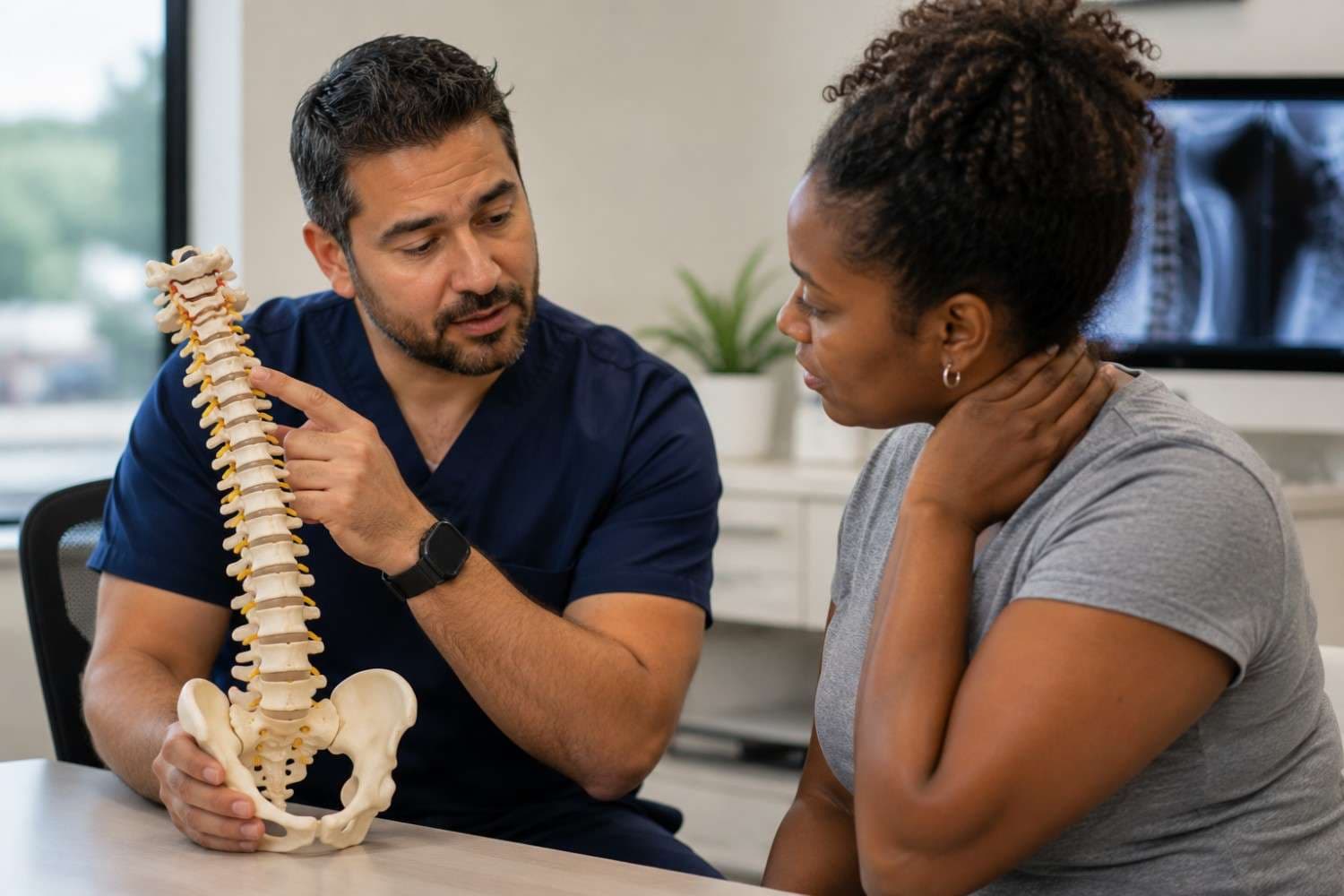
What to Expect on Your Second Chiropractic Visit
DS
By Deepak Sharma, DC
Medically reviewed
Owner & Doctor of Chiropractic · 6 min read · Published · Updated · Last reviewed
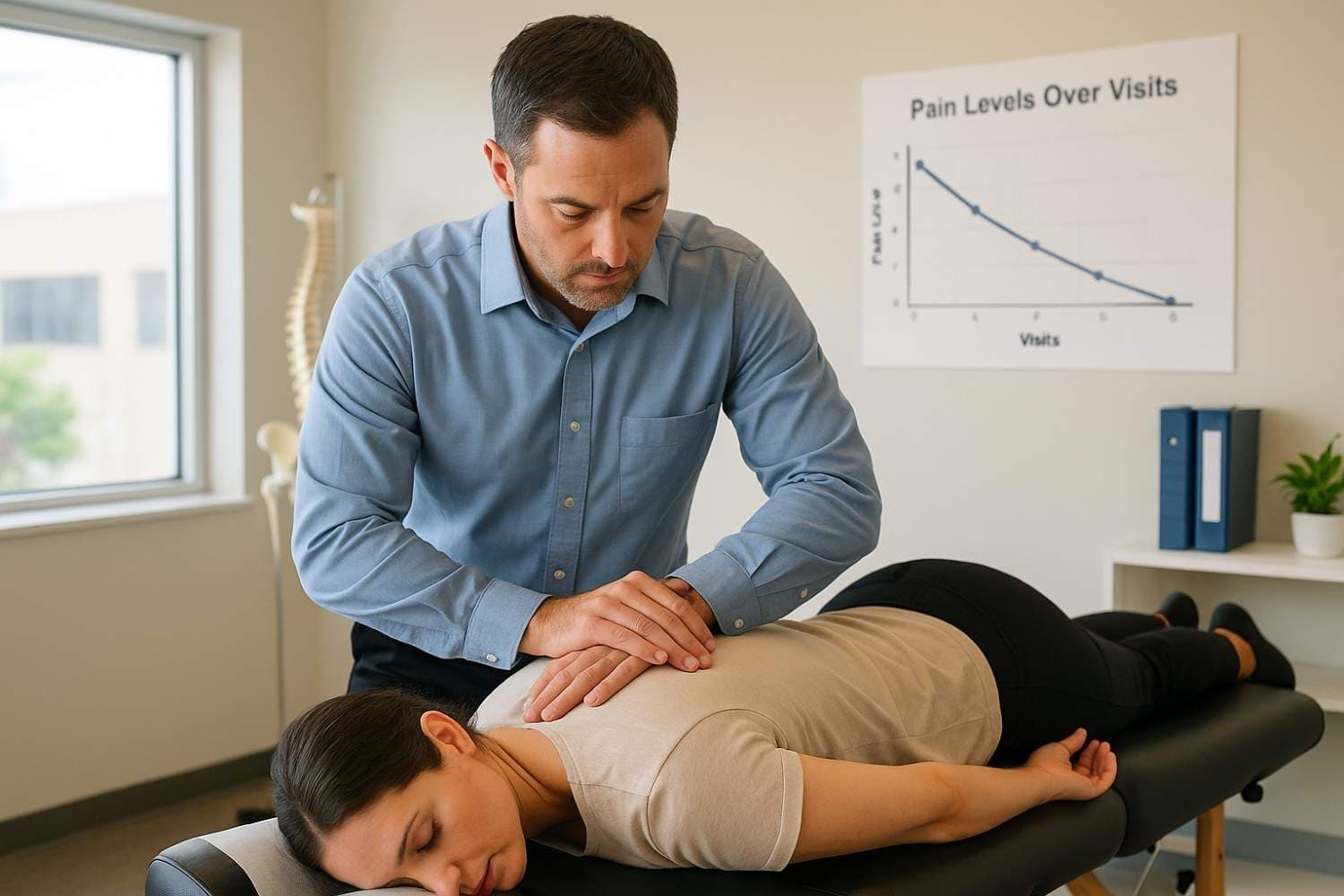
If you’ve recently been in an accident or are seeking relief for chronic pain in Beaumont, TX, you’ve already taken a crucial step by completing your first chiropractic appointment. That initial visit was all about assessment, diagnosis, and perhaps a gentle first adjustment. But now, as you approach your follow-up, you might be wondering: what to expect second chiropractic visit?
This next stage is vital. It’s where we transition from initial evaluation to active recovery, building the foundation for your long-term wellness. For general injury seekers in Beaumont, this second appointment is focused on reviewing your progress, delivering a targeted adjustment, and solidifying your personalized chiropractic treatment plan. Let’s walk through the details so you arrive prepared and confident.
1. Recap of Your First Visit
Your first appointment laid the groundwork. You discussed your injury history, underwent a thorough physical examination, and likely received a preliminary diagnosis and perhaps your very first adjustment. If you missed it, you can read our detailed guide on What to Expect on Your First Visit.
The gentle adjustments and recommendations from that visit initiated the healing process. Your second appointment is dedicated to seeing how your body responded to that initial treatment and adjusting our approach based on your feedback.
2. Checking In: Reviewing Your Progress
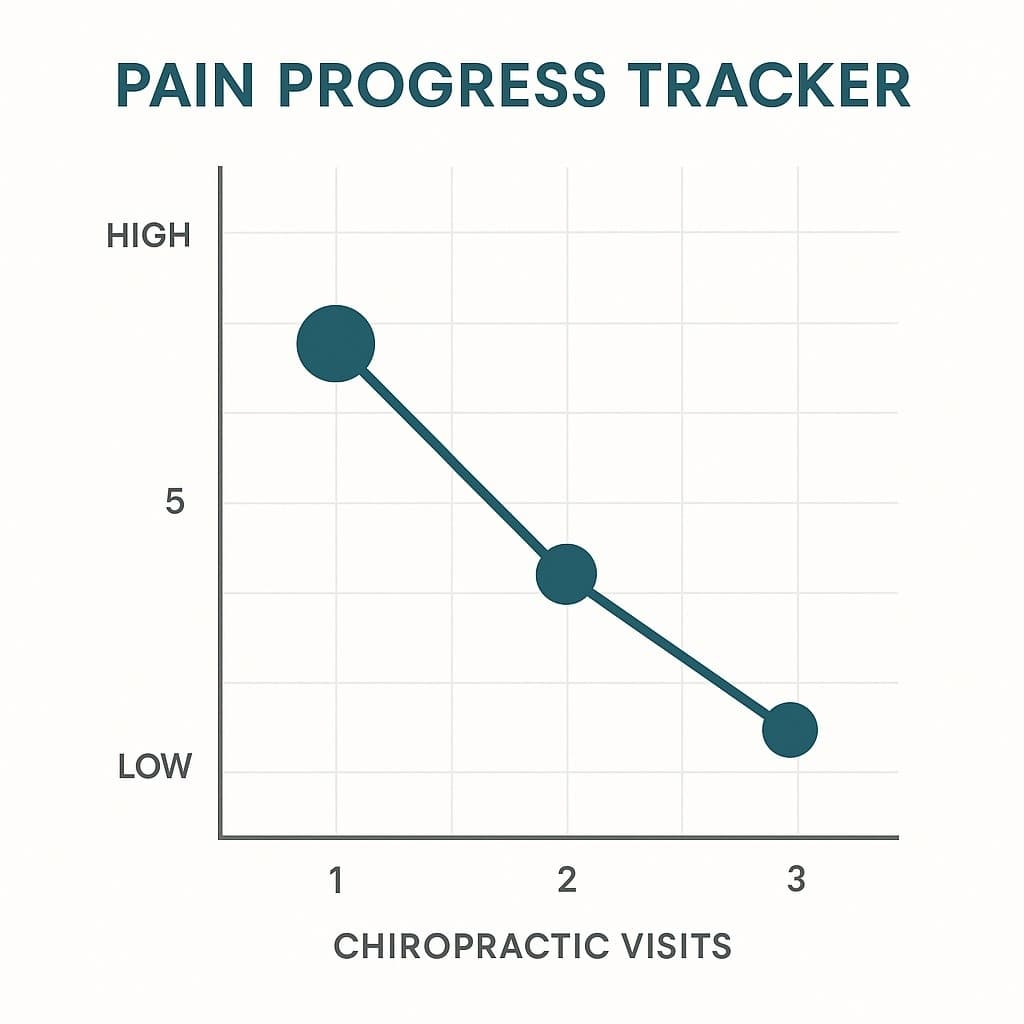
The true measure of any treatment is how you feel. Your second chiropractic visit starts with a detailed discussion about the changes you’ve experienced since you left the office.
- Symptom Tracking: We’ll ask about your current pain levels (often using a 0-10 scale), the frequency and intensity of your symptoms, and how well you’re sleeping.
- Mobility Changes: Have you noticed more flexibility? Is it easier to perform routine tasks like getting out of bed or reaching for objects?
- Responding to Treatment: Did you feel immediate relief, temporary soreness, or no change? Patient feedback is the most critical element in shaping your ongoing care.
This is your time to be honest and detailed. The more information you provide, the better we can refine your care.
3. Follow-Up Assessment and Examination
While your feedback is primary, we also need objective data. Your chiropractor will perform a mini-assessment to physically verify your progress, especially if you’re dealing with specific injury pages or accident-related issues.
3.1 Physical Exam and Range of Motion Tests
Expect a focused, but brief, physical check. This may include:
- Posture Evaluation: Noting any subtle improvements in how you hold your spine or shoulders.
- Range of Motion Tests: Re-checking how far you can comfortably move your neck, back, or limbs to measure increases in flexibility.
- Palpation: Gently touching the areas of complaint to check muscle tone, tenderness, and joint alignment.
This quick assessment ensures that the care plan moving forward is precisely tailored to your healing body.
3.2 Reviewing Any Imaging Results
If X-rays or an MRI were requested during your first visit, your second chiropractic visit is often when the doctor will review these diagnostic imaging results with you in detail. This information is crucial, as it allows us to see the exact structure of your injury—whether it’s soft tissue damage, a misalignment, or another issue—and fully inform the next steps of your care.
4. Receiving Your Second Adjustment
This is usually the main event of your follow up chiropractor appointment. The adjustment on the second visit is often more targeted and specific than the initial one, based on the progress review and any imaging results.
Your chiropractor will use specific adjustment techniques, applying controlled force to restore proper alignment. Because your body has already experienced one session, the tissue may be slightly more responsive or relaxed. Don’t be surprised if the adjustment feels different—perhaps more directed to a specific joint or area of tension.

5. Discussing Your Ongoing Treatment Plan
Effective recovery, especially after an accident, requires consistency. After the adjustment, the bulk of your time will be spent discussing your comprehensive chiropractic treatment plan.
5.1 Frequency and Duration of Future Visits
Based on your progress and injury severity, your chiropractor will recommend a specific schedule. Typically, accident recovery involves an initial intensive phase to stabilize the injury—this might mean 2-3 visits per week for a period. As your body heals, visits will be gradually tapered down.
5.2 Integrating Home Exercises and Self-Care
True healing happens outside the clinic. You’ll receive customized recommendations for stretches, exercises, or posture tips to practice at home. These self-care steps, like targeted stretches or core-strengthening exercises, are designed to stabilize your adjustments and speed up recovery. For general tips on maximizing your healing, check out our Chiropractic Care.
5.3 Potential Modalities and Therapies
Depending on your specific needs, the plan may now include other non-invasive therapies designed to reduce inflammation and accelerate healing. This could include soft tissue work, ultrasound, or electrical stimulation. These services, available on our Car Accident Cares, are often integrated to support and enhance the effects of the spinal adjustment.
6. Managing Expectations Post-Visit
It’s important to understand that recovery is a journey, not a single appointment. After your next chiropractic appointment, common sensations include:
- Immediate Relief: Many patients feel an instantaneous lightness or reduction in tension.
- Mild Soreness: It is perfectly normal to feel some mild muscle soreness, similar to a good workout, 12-24 hours after an adjustment as your body adapts to the new alignment.
We’re typically looking for consistent improvements within the first couple of weeks of care. Adhering strictly to your recommended treatment schedule and home care instructions is the fastest route to getting you back to a pain-free life here in Beaumont.
7. Preparing for Your Next Chiropractic Appointment
To get the most out of your subsequent visits, consider tracking your symptoms in a journal. Note when your pain is worse or better, what activities trigger it, and any questions you have for your chiropractor. This preparation ensures every session is productive and contributes directly to your healing goals.
Conclusion
Your second chiropractic visit is the critical step where your initial assessment transforms into a focused, active plan for recovery. It’s a blend of communication, progress review, targeted adjustment, and detailed treatment planning.
Consistency is key to a successful outcome, particularly when recovering from an injury. If you’re ready to take the next step in your healing journey and stabilize your recovery, don’t delay.
Ready to put your personalized plan into action? call us today to schedule your next chiropractic appointment!
Medically reviewed by
Verified
DS
Deepak Sharma
DC
Owner & Doctor of Chiropractic
Deepak Sharma, DC is a licensed Doctor of Chiropractic and the owner of Car Accident Cares in Beaumont, TX. He reviews the clinical content published across the site and works with a multidisciplinary network of MDs, chiropractors, imaging centers, and pain-management specialists focused on accurate diagnosis, evidence-based treatment, and complete recovery for motor-vehicle-accident victims across Beaumont and Houston.