What to Do Immediately After a Car Accident in Beaumont, TX
DS
By Deepak Sharma, DC
Medically reviewed
Owner & Doctor of Chiropractic · 10 min read · Published · Updated · Last reviewed
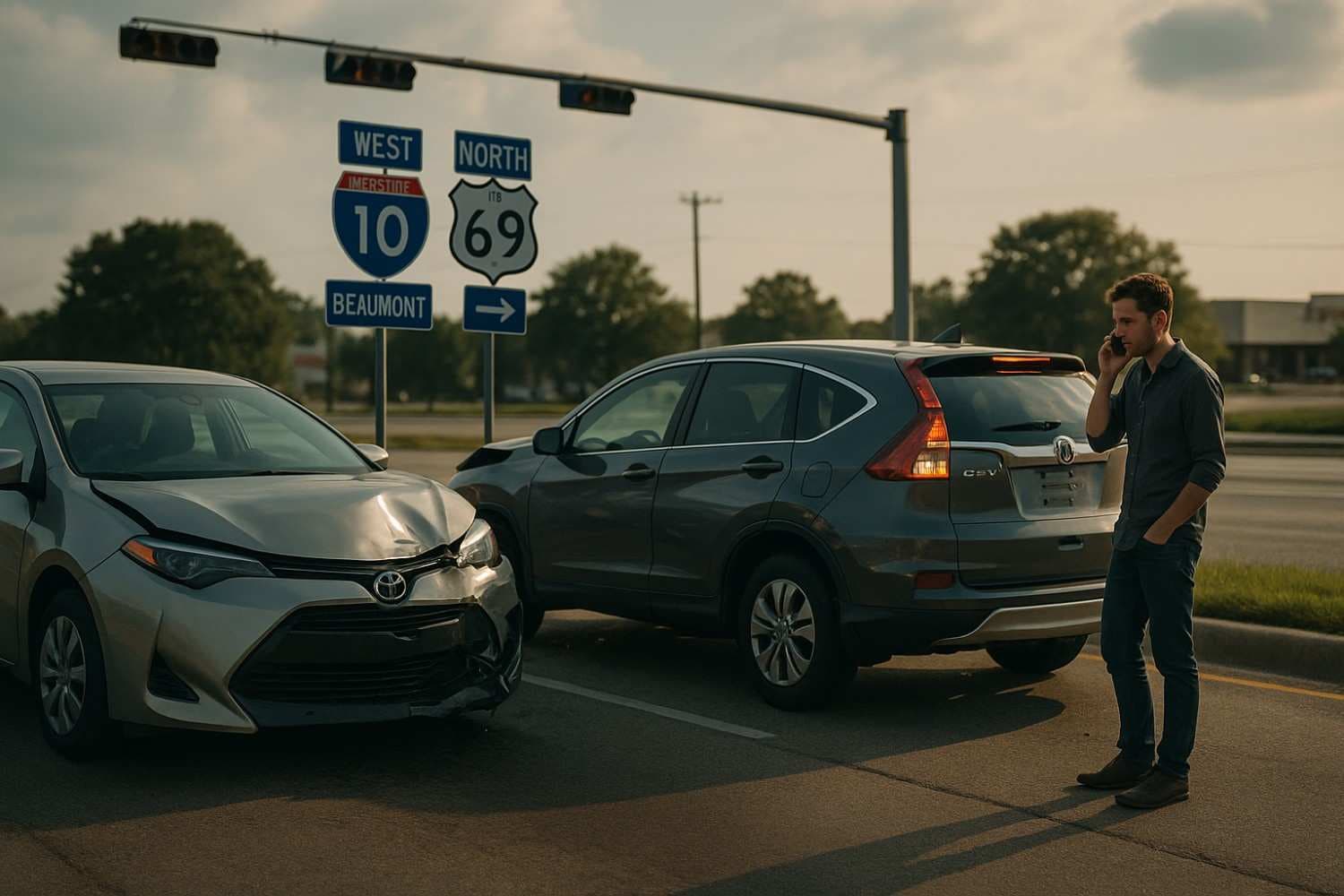
Table of Contents
Experiencing a car accident in Beaumont, TX can be a jarring and stressful event, regardless of the severity. The moments immediately following a collision are critical, and knowing the right car accident care in Beaumont steps to take can significantly impact your safety, your health, and any potential insurance or legal processes that may follow. The unique challenges of navigating traffic, understanding local procedures, and identifying relevant resources in the Beaumont area make having a clear plan essential.
Beaumont, situated at the intersection of major highways like Interstate 10 and Highway 69, experiences a significant volume of traffic, including large commercial vehicles associated with the region’s prominent oil and gas industry. This traffic density, combined with variable weather conditions common to Southeast Texas, can contribute to a higher incidence of accidents. Understanding these local factors is key to being prepared.
According to data from the Texas Department of Transportation (TxDOT), Jefferson County, where Beaumont is located, consistently reports a notable number of traffic collisions each year. These statistics underscore the reality that car accidents are a risk for anyone driving in the area. Taking immediate, informed action is not just recommended – it’s a crucial part of ensuring your well-being and protecting your rights.
This comprehensive guide is specifically created for residents of Beaumont, providing a vital Beaumont TX accident guide. We’ll walk you through the essential immediate steps after car wreck, offering a practical car accident checklist to navigate the aftermath of an unexpected collision. Knowing what to do after car accident Beaumont TX is the best way to protect yourself.

Step 1: Ensure Your Safety First
Your immediate safety and the safety of others should always be your top priority. After a collision in Beaumont, assess your surroundings quickly. If your vehicle is still operable and it’s safe to do so, move it to the side of the road or a nearby safe location, away from oncoming traffic. This is particularly important on busy Beaumont roads like I-10 or US-90, where remaining in a traffic lane can lead to further incidents. If your vehicle is not safe to move, or if you suspect serious injuries, it’s generally best to stay put.
Turn on your hazard lights immediately to alert other drivers to your presence. If you have flares or reflective triangles in your vehicle, deploy them to enhance visibility, especially if it’s dark or weather conditions are poor. Remember, your personal safety always takes precedence over documenting the scene or interacting with other parties.

Step 2: Check for Injuries and Call 911
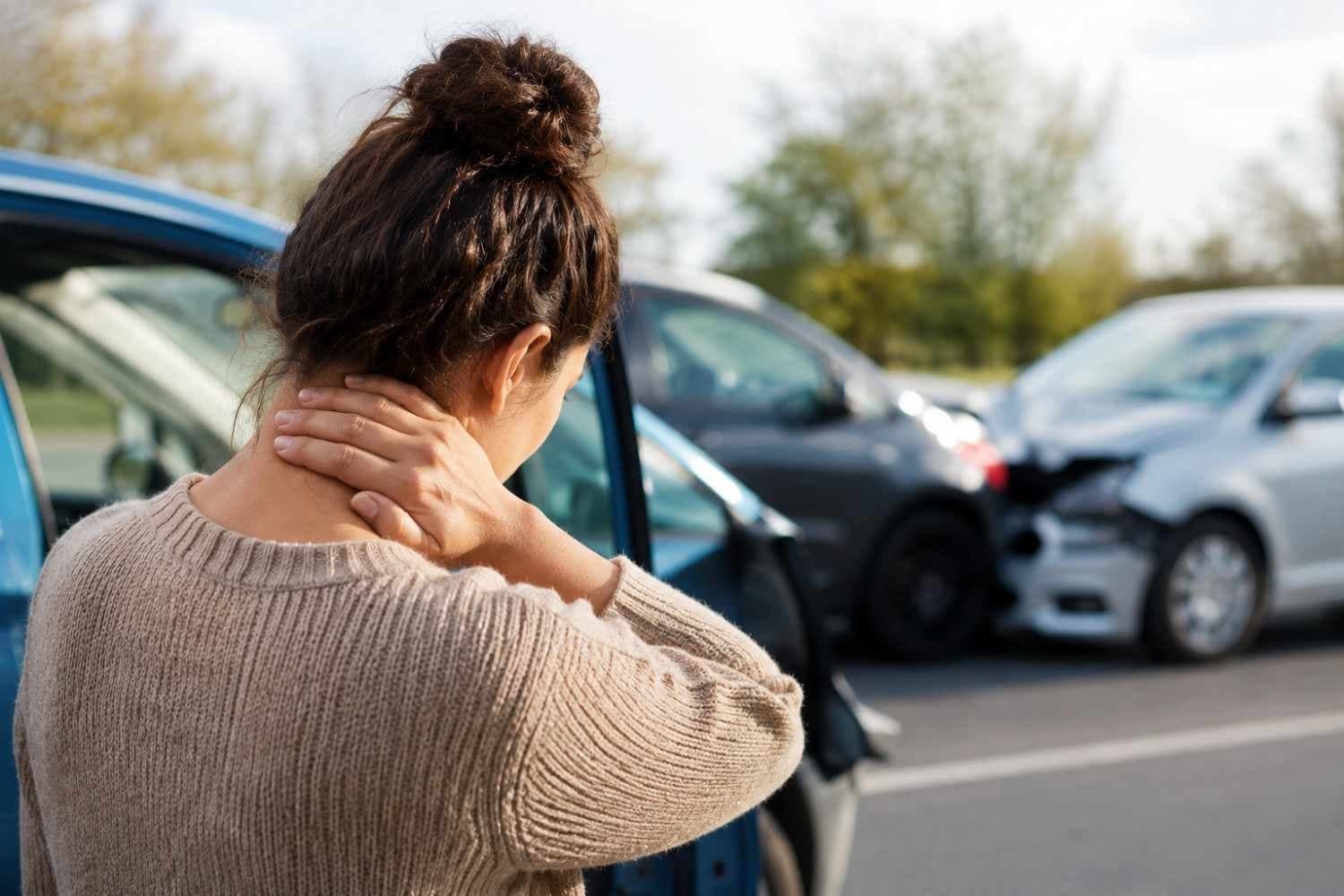
Once you are in a safe location, immediately check yourself and any passengers for injuries. Even if you feel fine, some injuries may have delayed symptoms. Ask everyone in your vehicle if they are hurt and if they need medical attention. Look for visible injuries, and ask about pain or discomfort.
If anyone is seriously injured, or if there is significant property damage, you should always call 911 in Beaumont. This is crucial for dispatching emergency medical services and law enforcement. When speaking to the emergency dispatch, provide clear and concise information: your exact location cross streets, highway markers, the nature of the accident, and the number of people involved and injured. Do not attempt to move anyone who appears to have a serious injury, such as a head, neck, or back injury, unless their immediate safety is at risk (e.g., fire). Wait for paramedics to arrive. For serious injuries, ensure prompt medical attention, potentially at an emergency room in Beaumont.
Step 3: Document the Accident Scene Thoroughly
In the moments following a car accident, it’s easy to feel overwhelmed, but thorough documentation is incredibly important for your insurance claim and any potential legal proceedings. Use your smartphone to take as many photos and videos as possible. Capture comprehensive images of:
- Vehicle damage on all involved vehicles, from multiple angles.
- The position of the vehicles relative to each other and the road.
- Road conditions, including debris, skid marks, and any relevant signs or traffic signals.
- The surrounding area, including street names, landmarks, and any relevant road construction or hazards.
- Weather conditions at the time of the accident.
- Any visible injuries you or your passengers have sustained.
The more visual evidence you collect, the stronger your record of the incident will be.

What to Photograph at the Scene
- Vehicle Damage: Capture all damage to your vehicle and other vehicles involved. Take wide shots and close-ups from various angles.
- License Plates: Get clear photos of the license plates of all vehicles involved.
- Driver’s Licenses and Insurance Cards: Take pictures of the other driver’s license and insurance information.
- Street Signs & Traffic Signals: Photograph any relevant street signs, traffic lights, or yield signs to establish context.
- Road Conditions: Document skid marks, debris, potholes, standing water, or any other relevant road hazards.
- Overall Scene: Take photos that show the broader accident scene, including intersection layouts or highway markers.
- Visible Injuries: If you or your passengers have any visible injuries, photograph them as soon as possible.
Step 4: Exchange Information with Other Parties
After ensuring safety and documenting the scene, calmly and politely exchange information with all parties involved, including drivers, passengers, and witnesses. Remember to stick to the facts and avoid admitting fault or making any statements about the cause of the accident. Collect the following:
- Full names and contact numbers (phone and email).
- Insurance company names and policy numbers.
- Driver’s license numbers.
- Vehicle make, model, year, and license plate numbers.
- Contact information for any witnesses present.
Step 5: File a Police Report
In Texas, a police report is required for car accidents involving injury, death, or property damage exceeding $1,000. Even if the damage seems minor, it’s often a good idea to file a report. For accidents in Beaumont, law enforcement will respond and create an official record. When speaking to the officers, be factual and provide only the information you know for certain. Do not speculate or offer opinions. You can typically obtain a copy of the police report from the Beaumont Police Department’s records division a few days after the incident.
Step 6: Seek Immediate Medical Attention
This step is paramount for your health and any potential insurance claims. Even if you feel fine immediately after an accident, the adrenaline can mask injuries. Many common car accident injuries, like whiplash, concussions, or soft tissue damage, have delayed onset symptoms, meaning pain and other issues might not appear for hours or even days later. For example, symptoms of whiplash neck pain can be subtle at first.
Prompt medical evaluation ensures that any underlying injuries are diagnosed and documented correctly. This documentation is vital for your health and plays a critical role in any insurance claim, as insurance companies often look for a clear timeline between the accident and medical treatment.
Common Car Accident Injuries in Beaumont
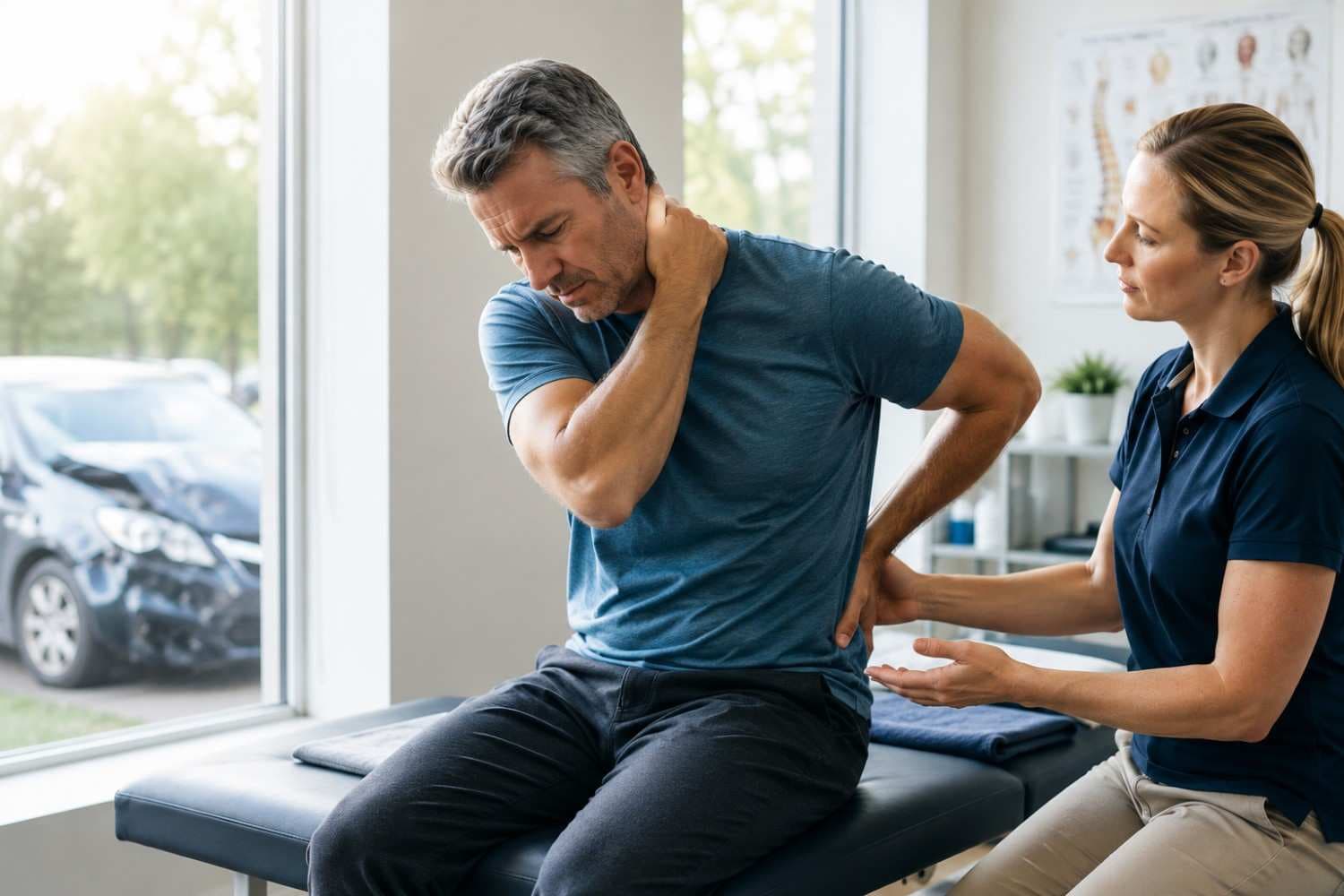
- Whiplash: A common neck injury from rapid back-and-forth motion. Learn more about whiplash neck pain treatment.
- Back Pain: From sprains/strains to herniated discs. Understand more about lower back and knee pain treatment.
- Soft Tissue Injuries: Damage to muscles, ligaments, and tendons. Explore soft tissue injuries.
- Concussions: Traumatic brain injuries that can manifest with headaches, dizziness, and cognitive issues.
- Knee Injuries: Impact-related sprains or fractures.
These injuries can develop hours or even days after the accident, highlighting the need for a professional medical evaluation.
Step 7: Contact Your Insurance Company
Report the accident to your own insurance company as soon as possible, ideally within 24-48 hours. Provide them with the factual details you collected at the scene. Be honest and stick to the facts, avoiding speculation. Understand your policy’s coverage, including personal injury protection (PIP) or medical payments coverage, which can help cover your medical expenses regardless of fault. Keep a detailed record of all communications with your insurance company, including dates, times, names of representatives, and summaries of conversations.
Step 8: Follow Up with Specialized Care
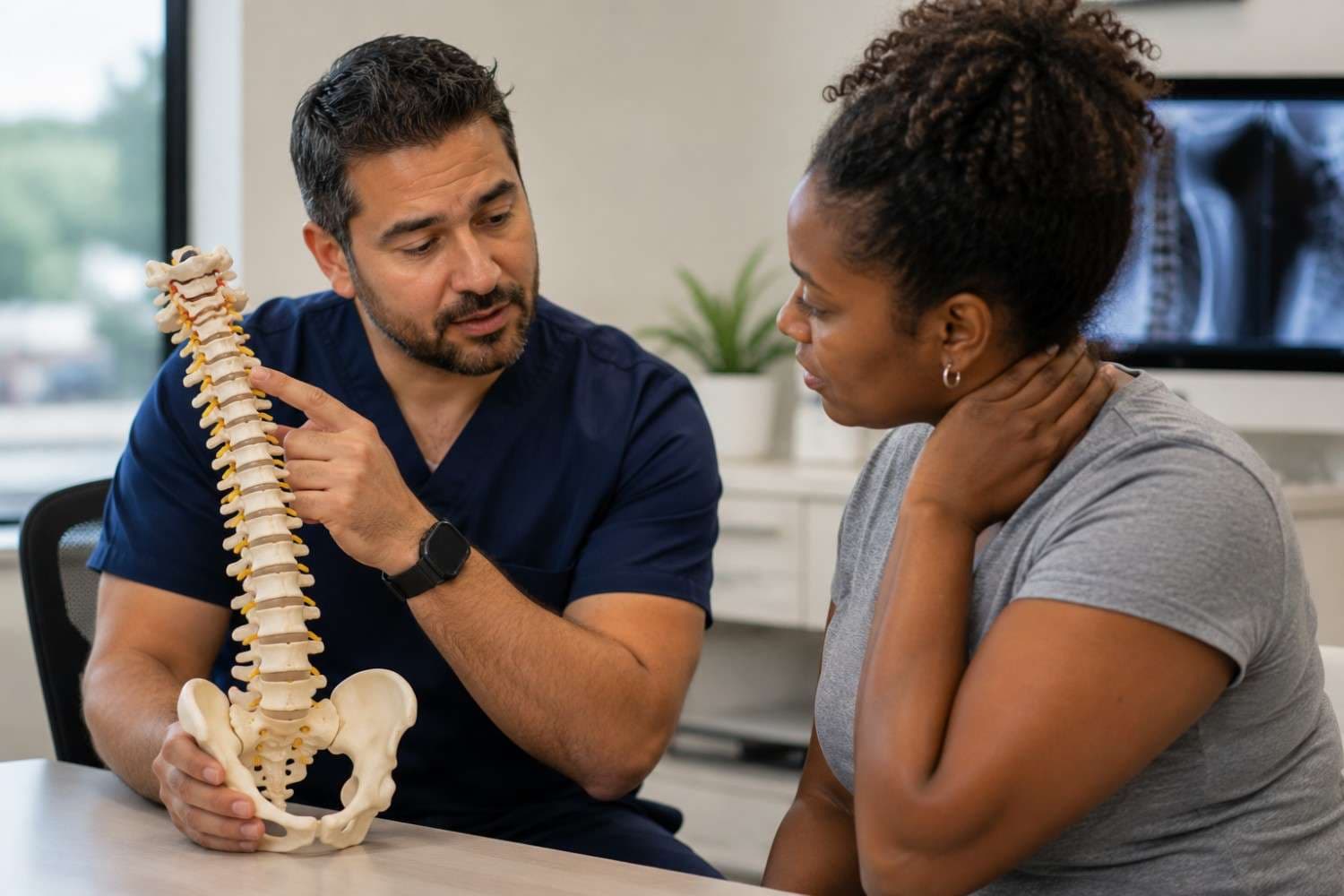
Ongoing medical monitoring and consistent treatment are essential for full recovery after a car accident. Specialized care for auto injuries, like that provided by an auto injury specialist, differs from general medical care because it focuses on the specific biomechanical impacts of a collision. A chiropractor care in Beaumont, for instance, can play a crucial role in restoring spinal alignment and nerve function.
Even if your injuries seem minor, a professional evaluation ensures proper healing and prevents chronic issues. Consistent treatment also creates clear documentation, which is vital for any insurance claim. A comprehensive pain management clinic in Beaumont can offer various therapies tailored to your recovery.
Call us for a comprehensive medical evaluation.
Beaumont-Specific Resources and Considerations
When an accident happens in Beaumont, it’s helpful to be aware of local resources:
- Emergency Services: Dial 911 for police, fire, or ambulance services.
- Common Accident Locations: Be particularly cautious around major intersections like I-10 and US-69/US-90, and busy thoroughfares within the city.
- Local Hospitals: Baptist Hospitals of Southeast Texas and CHRISTUS Hospital St. Elizabeth are primary emergency care providers in Beaumont.
- Police Reports: Copies of police reports can be obtained from the Beaumont Police Department records division.
Our clinic is conveniently located to serve the Beaumont community. Find us easily for prompt care after your accident.
Conclusion
Knowing what to do after car accident Beaumont TX is an empowering step in a stressful situation. By prioritizing safety, documenting the scene, exchanging information, reporting the incident, and crucially, seeking immediate medical attention, you protect both your health and your legal/financial interests. Even seemingly minor accidents can lead to significant delayed-onset injuries. Prompt and professional medical evaluation is paramount for accurate diagnosis and a proper recovery plan.
Don’t wait – call our experienced car accident medical team in Beaumont today for a thorough evaluation and take the first step towards your healing and recovery. Contact Us now.

Medically reviewed by
Verified
DS
Deepak Sharma
DC
Owner & Doctor of Chiropractic
Deepak Sharma, DC is a licensed Doctor of Chiropractic and the owner of Car Accident Cares in Beaumont, TX. He reviews the clinical content published across the site and works with a multidisciplinary network of MDs, chiropractors, imaging centers, and pain-management specialists focused on accurate diagnosis, evidence-based treatment, and complete recovery for motor-vehicle-accident victims across Beaumont and Houston.