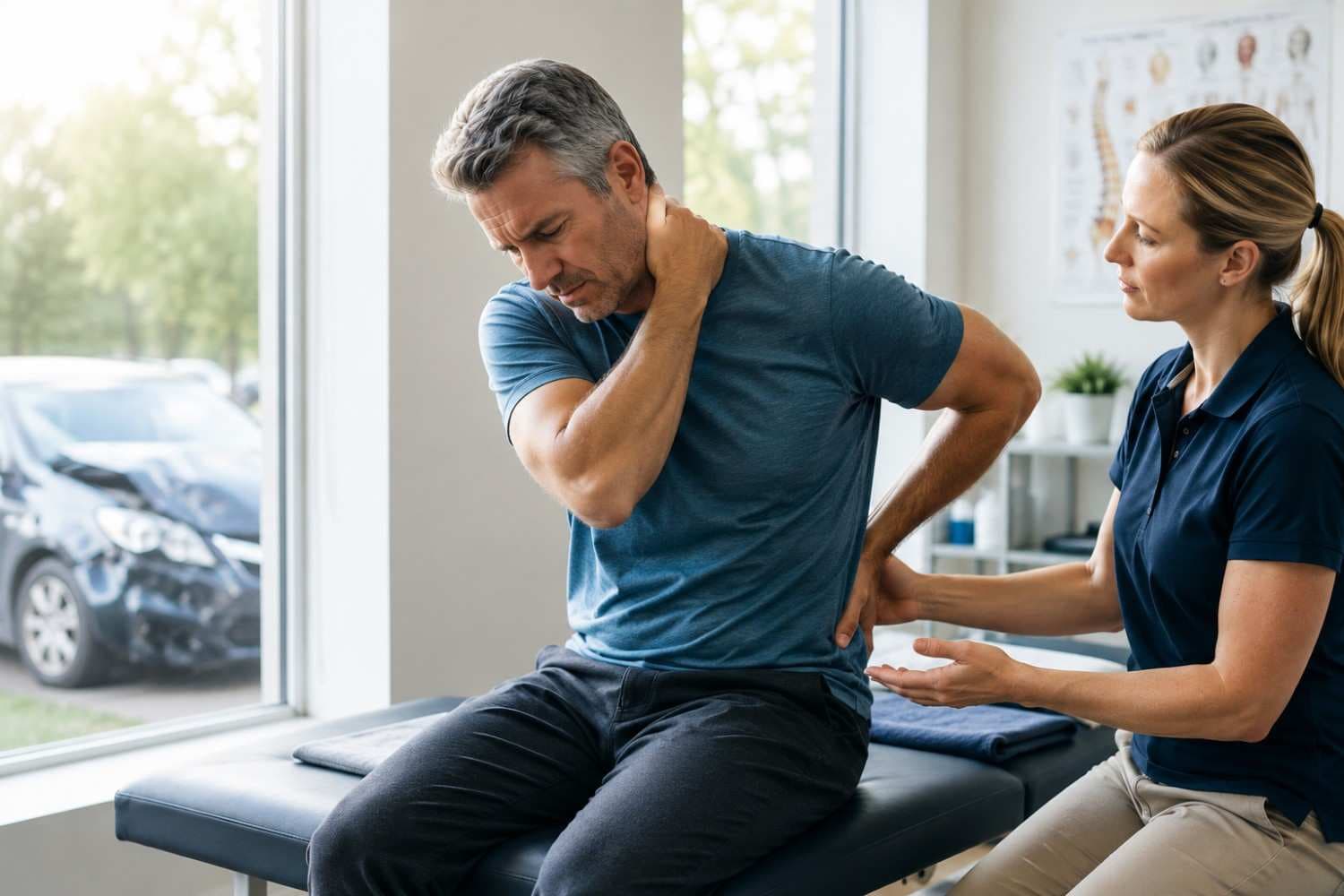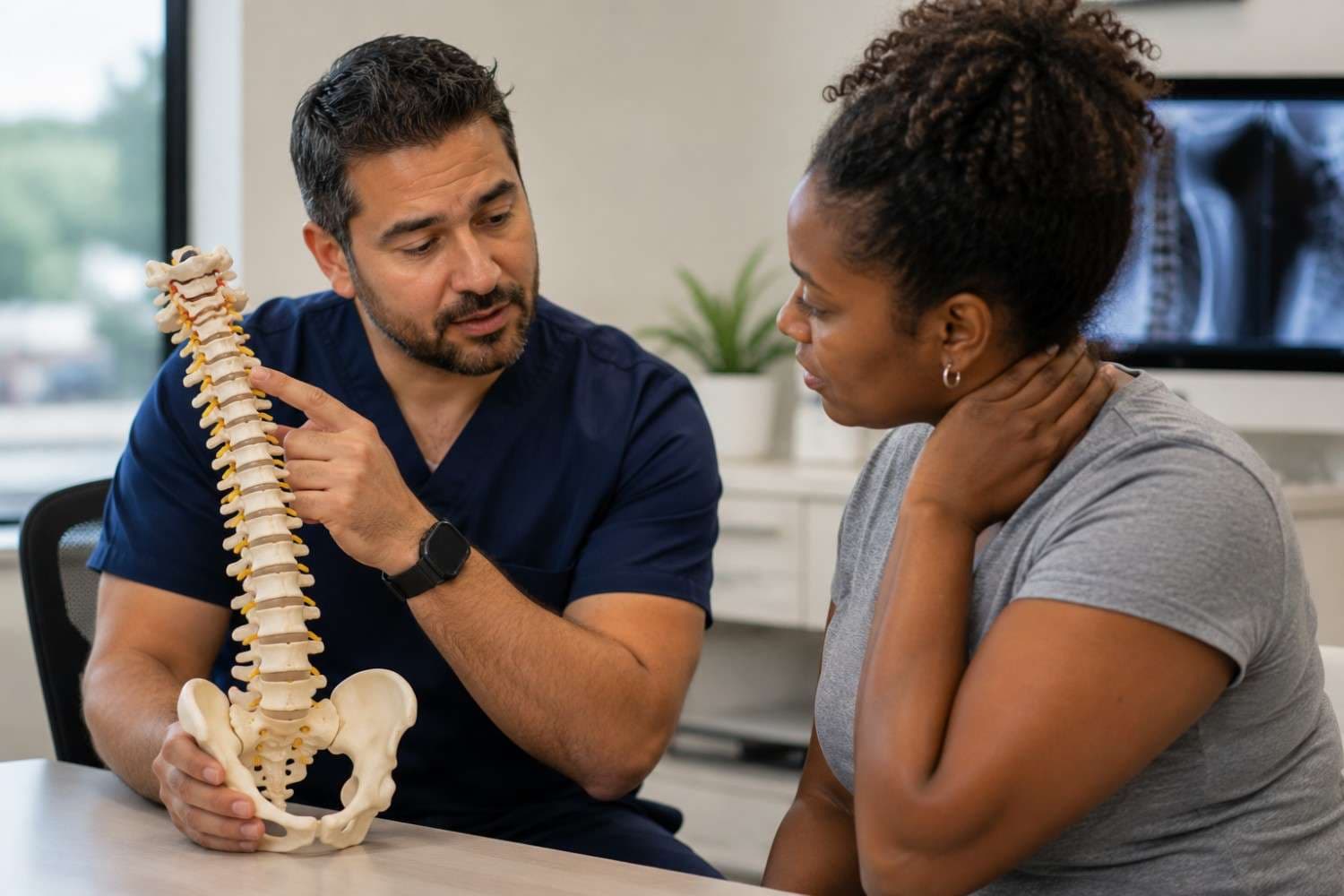
The Role of Physical Therapy in Car Accident Recovery – Beaumont, TX
DS
By Deepak Sharma, DC
Medically reviewed
Owner & Doctor of Chiropractic · 12 min read · Published · Updated · Last reviewed
Introduction
Beaumont, TX residents face approximately 4,500 reported auto collisions annually, with 30-40% resulting in musculoskeletal injuries requiring rehabilitation. Beyond immediate emergency care, the journey to complete recovery often depends on comprehensive physical therapy intervention. Research demonstrates that an estimated 75% of car accident victims benefit significantly from structured rehabilitation programs.
Physical therapy serves as the crucial bridge between acute medical treatment and full functional recovery, preventing the development of chronic pain syndromes that affect 44% of accident survivors three years post-collision. Without proper rehabilitation, initial protective responses—muscle guarding, reduced mobility, and compensatory movement patterns—can create a destructive pain-dysfunction cycle leading to long-term disability.
This comprehensive guide explores why physical therapy car accident recovery Beaumont TX is essential, detailing evidence-based treatment phases, therapeutic techniques, and the systematic approach that transforms accident survivors from pain to complete functional restoration.

Why Physical Therapy Is Essential After Car Accidents
Car accidents create complex injury patterns affecting multiple body systems simultaneously. 92.35% of traffic accident patients treated with comprehensive rehabilitation programs show significant functional improvement. The trauma triggers immediate protective responses—muscle spasms, joint stiffness, and altered movement patterns—that, while initially protective, can perpetuate dysfunction without intervention.
Breaking the Pain-Dysfunction Cycle
Post-accident, the body’s natural response involves protective muscle guarding and reduced mobility around affected areas. Studies show that 68-72% of patients receiving early physical therapy intervention achieve significant pain reduction and functional improvement. Without structured rehabilitation, these protective adaptations create compensatory movement patterns, leading to secondary injuries in unaffected body regions.
Preventing Long-Term Complications
Research confirms that early intervention with physical therapy leads to significantly improved outcomes compared to delayed treatment. Untreated accident injuries carry substantial risk: development of chronic pain syndromes, early-onset arthritis, and permanent functional limitations. Structured rehabilitation restores proper biomechanics, strength, and flexibility, ensuring quality of life restoration.
Common Car Accident Injuries Benefiting from Physical Therapy
Physical therapy addresses the wide spectrum of injuries commonly sustained in Beaumont collisions, with tailored approaches for each condition’s unique rehabilitation needs.
Whiplash and Cervical Spine Injuries
Whiplash affects up to 83% of rear-end collision victims, causing neck pain, stiffness, headaches, and dizziness. Physical therapy directly addresses underlying muscle imbalances, joint dysfunction, and postural problems through specific cervical exercises. Neck-specific exercise interventions demonstrate superior satisfaction rates compared to general activity prescriptions, with patients reporting greater enablement and expectation fulfillment.
Back Injuries and Spinal Dysfunction
Whether lumbar strain, herniated disc, or general spinal dysfunction, back injuries comprise approximately 34% of all physical therapy cases. PT addresses core stability, spinal mobility, and functional movement patterns crucial for healing and preventing recurrence. Therapists teach safe body mechanics to protect the spine during daily activities.
Soft Tissue Injuries and Muscle Strains
Muscle tears, ligament sprains, and fascial injuries require progressive loading and movement restoration. Physical therapy guides the healing process through different tissue healing phases, ensuring appropriate exercise progression to rebuild strength and flexibility without reinjury.
Extremity Injuries from Impact
Dashboard and side-collision impacts commonly cause shoulder, arm, leg, and knee injuries. Physical therapy focuses on restoring joint mobility, rebuilding strength, and re-establishing functional movement patterns essential for daily tasks and recreational activities.
The Physical Therapy Treatment Process
Successful rehab after car accident Beaumont follows a systematic, evidence-based approach ensuring personalized care from initial evaluation through discharge.
Initial Assessment and Goal Setting
Your rehabilitation journey begins with comprehensive evaluation by a licensed therapist. This includes detailed movement analysis, strength testing, range of motion measurements, and functional assessments to understand injury extent. Based on findings and personal needs, clear, measurable treatment goals guide your entire rehabilitation plan.

Phase 1: Acute Care and Pain Management
Initial treatment focuses on reducing pain, controlling inflammation, and restoring gentle, safe mobility. Modalities such as ice, heat, gentle massage, and electrical stimulation manage discomfort while therapists provide guidance on protecting healing tissues and modifying daily activities.
Phase 2: Restoration of Mobility and Strength
Once acute pain is controlled, programs progress to active rehabilitation. This phase involves progressive exercise programs designed to restore range of motion, improve flexibility, and build strength. Exercises are carefully advanced based on healing timeline and individual response, ensuring safe and effective recovery.
Phase 3: Functional Training and Return to Activities
The final phase prepares you for complete return to daily life, work, or sport-specific activities. This includes advanced functional training, balance and coordination exercises, and injury prevention strategies, ensuring your body is ready for lifestyle demands while minimizing re-injury risk.
Evidence-Based Physical Therapy Techniques
Beaumont clinics utilize various proven interventions for comprehensive car accident rehabilitation.
Manual Therapy Techniques
Manual therapy involves hands-on techniques to improve mobility, reduce pain, and restore normal movement patterns. This includes joint mobilization to free stiff joints, soft tissue massage to release muscle tension, and manual stretching to improve flexibility. These techniques complement exercise therapy for optimal results.

Therapeutic Exercise Programs
Central to therapeutic exercise accident recovery is a tailored program including progressive strengthening for weak muscles, flexibility training to restore range of motion, and endurance exercises to improve stamina. Therapists design and continually adjust exercises based on healing process and specific injury needs, ensuring effective and safe progression.
Postural Re-education and Movement Training
Accident injuries often lead to compensatory movement patterns and poor posture. Physical therapists work to correct these dysfunctions, re-educating your body on proper mechanics. This includes ergonomic training for home and workplace, along with guidance on safe body mechanics for daily activities.
Specialized Equipment and Pain Management
Modern PT facilities utilize advanced equipment and modalities to enhance accident recovery.
Pain Management Modalities
Various modalities help manage pain during active rehabilitation, including electrical stimulation to reduce pain and muscle spasm, therapeutic ultrasound for deep tissue healing, and hot/cold therapy to manage inflammation. These treatments complement active exercise by creating a comfortable environment for movement and healing.
Advanced Strengthening Equipment
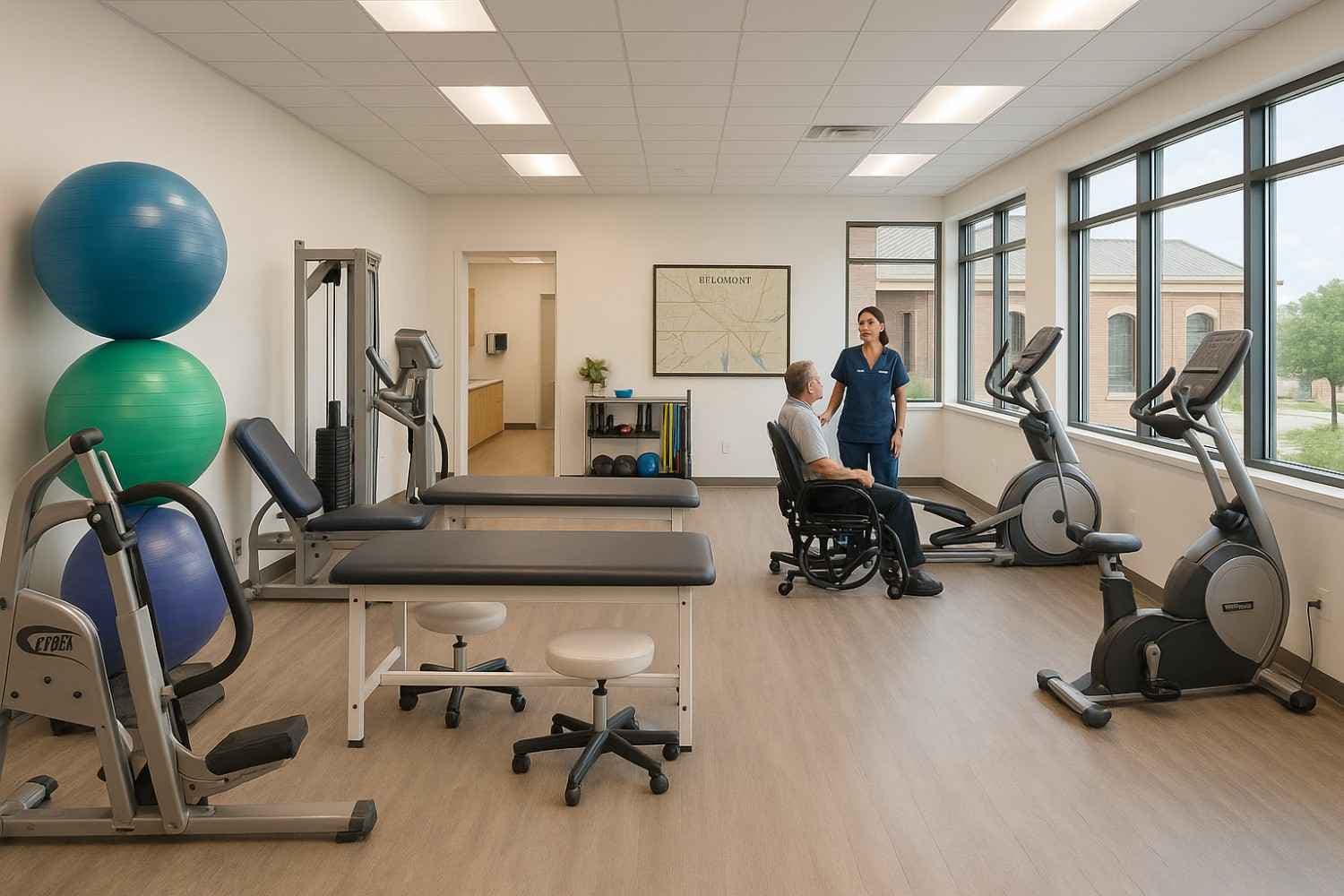
Physical therapy clinics feature therapeutic exercise equipment including resistance machines, free weights, balance trainers, and functional training tools. This equipment allows targeted strengthening and controlled exercise progression, safely challenging your body as it heals.

Aquatic Therapy Benefits
For patients with severe pain or significant mobility limitations, water-based rehabilitation offers unique benefits. Hydrostatic pressure increases circulation, reduces swelling, and promotes natural healing processes. Water’s buoyancy reduces joint stress, allowing earlier and less painful movement while providing resistance for strengthening exercises. It’s an excellent option for regaining mobility when land-based exercises are too challenging.
Recovery Timeline and Realistic Expectations
Setting appropriate expectations for physical therapy after crash Beaumont recovery is crucial, as timelines vary based on individual factors.
Typical Treatment Duration and Frequency
Average physical therapy duration for car accident injuries ranges from 6-12 weeks, with sessions scheduled 2-3 times weekly. However, this varies significantly based on injury severity, healing response, and program adherence. Patients attending PT average 11.75 sessions, with postoperative patients averaging 15.1 visits compared to 10.4 visits for primary treatment patients.
Measuring Progress and Outcomes
Throughout treatment, therapists use objective measures to track improvement including regular pain scale assessments, range of motion measurements, muscle strength testing, and functional evaluations. Milestone goals provide clear recovery indicators, with approximately 79% of patients reporting substantial pain reduction after completing physical therapy.
Factors Affecting Recovery Speed
Several factors influence recovery speed: age, injury severity and type, pre-existing medical conditions, consistent compliance with home exercises, and psychological factors like stress or anxiety. Postoperative patients demonstrate significantly better attendance rates compared to primary treatment patients, potentially due to higher motivation levels.
Integration with Other Healthcare Providers
Comprehensive rehab after car accident Beaumont often integrates physical therapy with other healthcare providers.
Medical Doctor Collaboration
Physical therapists routinely collaborate with physicians for consistent medication management, accurate imaging interpretation, and medical clearance for advancing activity levels. This coordination ensures unified approaches to healing and optimal patient outcomes.
Chiropractic Care Coordination
For spinal injuries, physical therapy and chiropractic treatments complement each other powerfully. While chiropractic care focuses on spinal alignment, physical therapy reinforces stability and function through integrated approaches.
Pain Management Collaboration
For patients with severe or persistent pain, physical therapists work with pain management specialists to ensure comprehensive care. This collaboration allows individuals requiring injections or advanced pain control to participate more effectively in rehabilitation programs.
Home Exercise Programs and Self-Management
Active participation through home exercise programs is paramount for optimal therapeutic exercise accident recovery outcomes.
Essential Home Exercises
Therapists prescribe customized home exercise programs including gentle neck stretches for whiplash, core strengthening exercises for back injuries, and general mobility exercises for overall recovery. Clear safety guidelines and progression principles ensure correct and safe exercise performance.

Activity Modification and Ergonomics
Beyond exercises, therapists provide guidance on activity modification and ergonomics, including workspace adjustments, daily activity adaptations, and ergonomic principles supporting healing and preventing re-injury. These considerations are particularly relevant for Beaumont’s diverse workforce.
Communication and Monitoring
Open communication with your therapist is vital. Contact your therapist for increased pain, new symptoms, or concerns about exercise progression. They provide guidance and make necessary treatment plan adjustments throughout your recovery journey.
Insurance Coverage and Practical Considerations
Navigating the financial and logistical aspects of PT after car accidents is important.
Understanding Insurance Benefits
Most auto insurance policies, especially those with Personal Injury Protection (PIP) in Texas, offer coverage for physical therapy after car accidents regardless of fault. Understanding specific benefits, including prior authorization requirements or visit limitations, is crucial for avoiding unexpected costs.
Choosing the Right Provider
When selecting PT providers in Beaumont, seek clinics with extensive car accident rehabilitation experience. Consider location convenience and specializations matching your injury needs. Inquire about their approach to accident injury cases and success track records.
Success Stories and Evidence-Based Outcomes
Physical therapy plays a significant role in positive patient outcomes after car accidents.
Documented Improvement Rates
Evidence-based outcomes consistently show success rates between 68-72% for physical therapy interventions. Patients typically experience significant pain level decreases, improved range of motion, and increased ability to perform daily activities, leading to successful return-to-work outcomes.
Long-Term Health Benefits
Comprehensive physical therapy extends beyond immediate pain relief, building robust foundations for long-term health. It significantly reduces chronic pain risk, prevents future injuries, and maintains long-term function by restoring proper biomechanics and strength, dramatically improving quality of life well beyond pain reduction.
Conclusion
Physical therapy car accident recovery Beaumont TX represents an essential component of comprehensive post-collision care rather than optional treatment. Early intervention with tailored PT programs significantly improves outcomes and prevents chronic complications development. With 75% of accident victims benefiting from structured rehabilitation and 68-72% success rates documented, physical therapy addresses current injuries while building foundations for long-term health and function.
Don’t let accident injuries limit your recovery potential—our Beaumont physical therapy specialists create personalized rehabilitation programs restoring strength, flexibility, and function, guiding you through every step of your healing journey back to the activities you love.

Medically reviewed by
Verified
DS
Deepak Sharma
DC
Owner & Doctor of Chiropractic
Deepak Sharma, DC is a licensed Doctor of Chiropractic and the owner of Car Accident Cares in Beaumont, TX. He reviews the clinical content published across the site and works with a multidisciplinary network of MDs, chiropractors, imaging centers, and pain-management specialists focused on accurate diagnosis, evidence-based treatment, and complete recovery for motor-vehicle-accident victims across Beaumont and Houston.