
The Role of Injections in Chronic Pain Management
DS
By Deepak Sharma, DC
Medically reviewed
Owner & Doctor of Chiropractic · 10 min read · Published · Updated · Last reviewed

Chronic pain is an invisible burden, often turning daily activities into difficult struggles. If you’ve been living with persistent pain, you know that traditional methods like over-the-counter medication or basic physical therapy don’t always offer a complete solution. For many people, this ongoing discomfort significantly limits their quality of life.
Fortunately, there are highly targeted, minimally invasive options available. For residents of Beaumont, TX seeking effective and lasting relief, understanding the power of injections for chronic pain Beaumont TX is the first step toward reclaiming your life.
This comprehensive guide will help you understand how different pain relief injections work, the conditions they treat, and why they are a crucial part of modern, chronic pain management strategies.

Understanding Chronic Pain and Why Injections Matter
Chronic pain is generally defined as any pain that persists for six months or longer, often continuing even after the original injury or illness has healed. Its impact is profound, affecting everything from sleep and mood to mobility and work capacity.
Traditional treatments often involve systemic whole-body medications, which can carry the risk of side effects, dependency, or simply fail to reach the primary source of the pain effectively. This is where injection therapy shines: it’s a targeted, localized approach.
Injection-based treatments offer a significant advantage by:
- Delivering medication precisely to the source of the pain, such as an inflamed nerve or joint.
- Reducing systemic side effects compared to continuous oral medication.
- Providing faster and often more complete symptom relief for specific conditions.
This localized method makes chronic pain injections Beaumont providers offer a cornerstone of personalized and effective pain management solutions.
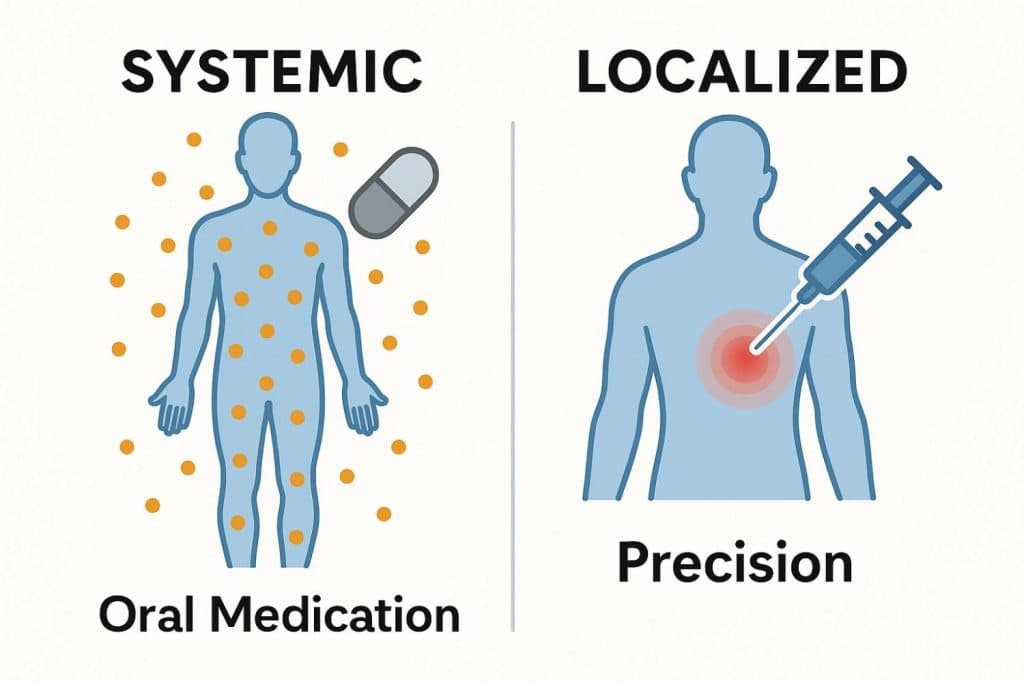
How Do Pain Management Injections Work?
At its core, injection-based therapy in interventional pain management works by delivering powerful therapeutic or diagnostic substances directly to the site causing the pain.
The substances delivered typically include:
- Anti-inflammatory Medications (Corticosteroids): These potent drugs reduce swelling and inflammation around nerves, joints, or tissues. Because inflammation is a major contributor to chronic pain, reducing it can provide long-lasting relief.
- Numbing Agents (Local Anesthetics): Agents like lidocaine provide immediate, though temporary, relief. They serve two critical purposes: diagnostic if the area goes numb, the doctor confirms that location is the source of pain and therapeutic offering immediate comfort.
The procedure is minimally invasive and, critically, often performed using imaging guidance—such as fluoroscopy (live X-ray) or ultrasound—to ensure the needle is placed with pinpoint accuracy, maximizing effectiveness and safety.
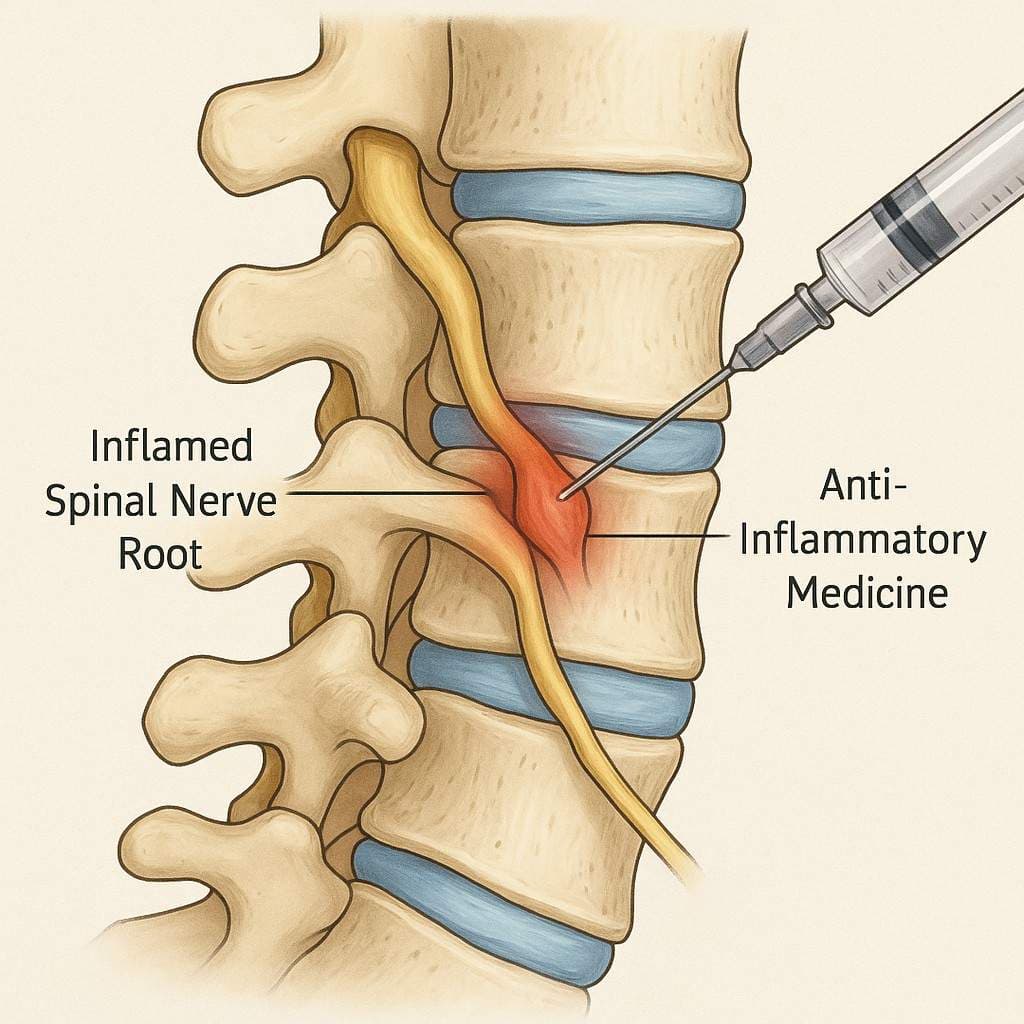
Types of Chronic Pain Injections
A variety of types of pain injections are available, each designed to treat a specific source of pain in the body. The correct choice depends entirely on a precise diagnosis.
Epidural Injections
Epidural injections are one of the most common and effective non-surgical treatments for back, neck, and leg pain caused by inflammation or compression of spinal nerves.
- How They Work: Medication (steroid and anesthetic) is injected into the epidural space, the area surrounding the spinal cord and the spinal nerves. The medication bathes the irritated nerves, reducing inflammation and pressure.
- Conditions Treated: Sciatica, herniated or bulging discs, spinal stenosis, and persistent lower back and neck pain.
- Relevance to Beaumont, TX Patients: These are a frequently preferred option for many residents seeking epidural injection treatments as a non-surgical alternative for managing radiating pain.
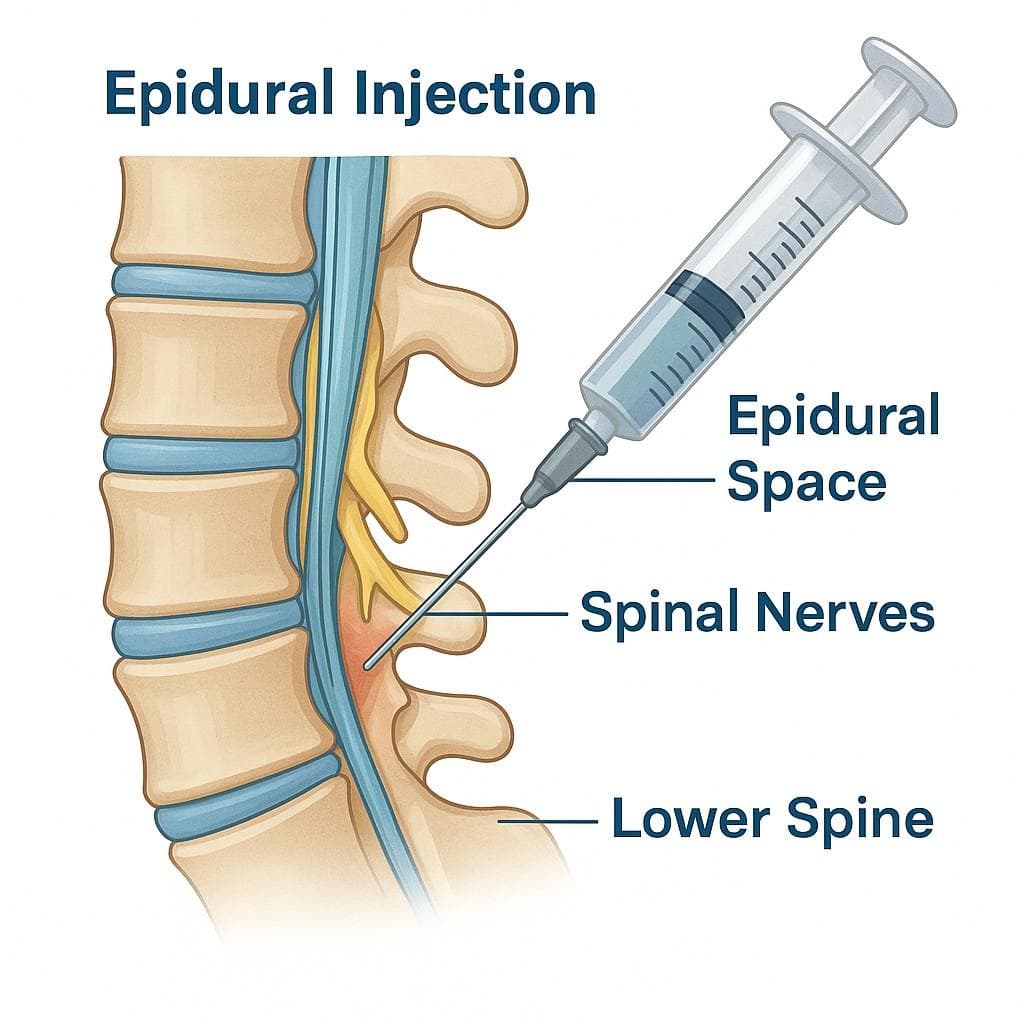
Facet Joint Injections
Facet joints are the small, bony joints located on the back of the spine that provide stability and allow motion. When these joints develop arthritis facet syndrome or sustain injury, they can become a primary source of chronic back pain.
- How They Work: Medication is injected directly into the facet joint capsule or around the tiny nerves that supply the joint medial branch nerves. This reduces inflammation within the joint.
- Conditions Treated: Facet joint arthritis, general low back pain, and neck pain that often feels worse when twisting or leaning backward.
- Diagnostic & Therapeutic: Facet joint injections often serve a dual purpose. If the injection provides significant relief, it helps confirm the facet joint as the source of the pain.
- Next Step: For persistent facet-related pain, this can often lead to further facet joint injection therapy, such as radiofrequency ablation.
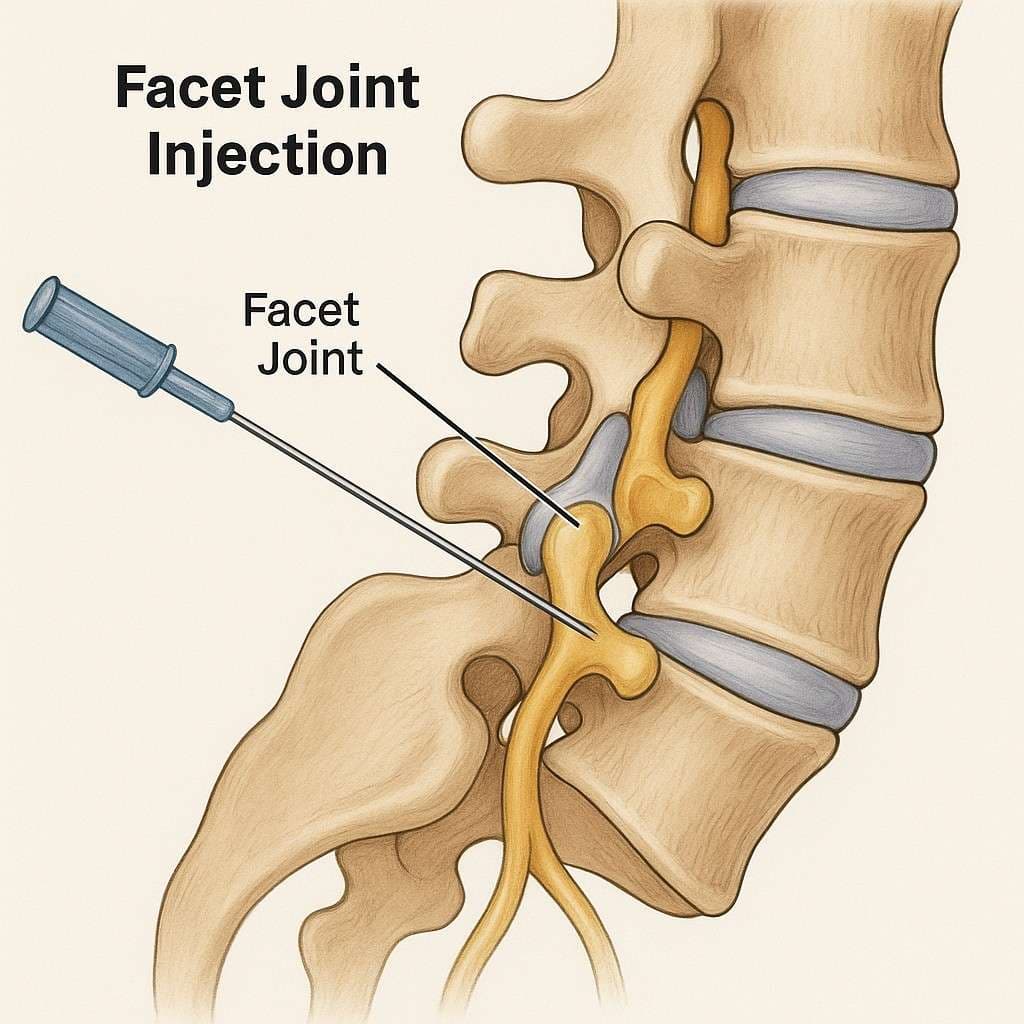
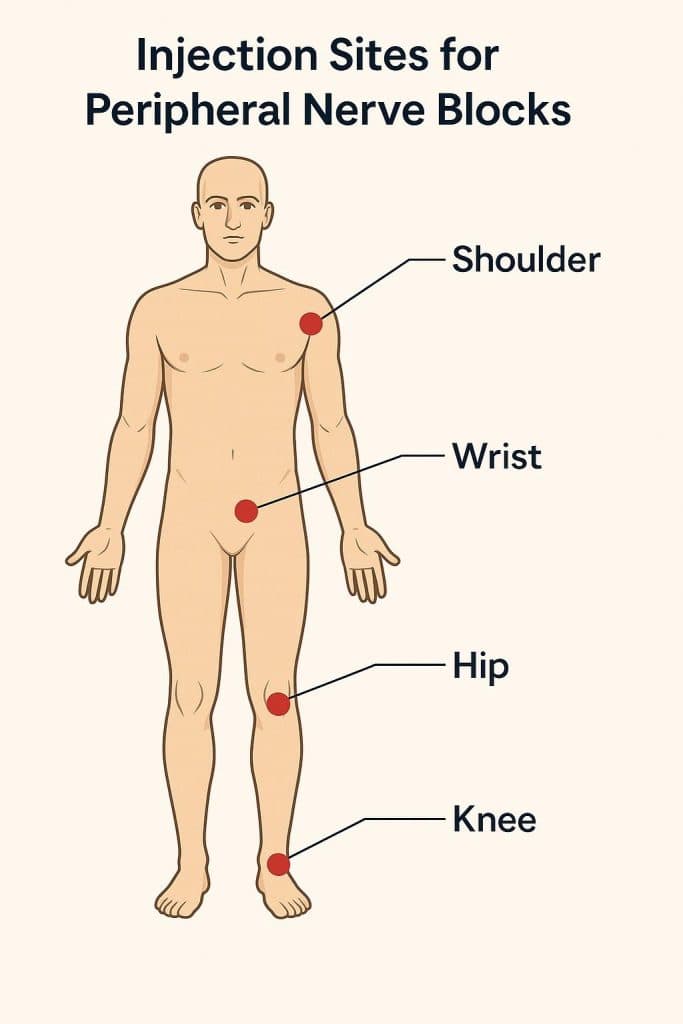
Nerve Blocks
A nerve block is the injection of an anesthetic and sometimes a steroid near a specific nerve or group of nerves to interrupt pain signals traveling to the brain.
- How They Work: By essentially “blocking” the nerve, the procedure stops the communication of pain from a specific region of the body.
- Conditions Treated: Chronic neuropathic pain, regional pain syndromes like CRPS, persistent head/face pain, and pain localized to a specific limb or joint.
- Versatility: Nerve blocks include many specialized types, such as sympathetic nerve blocks or peripheral nerve blocks, making them highly versatile nerve block treatments.
Trigger Point Injections (TPIs)
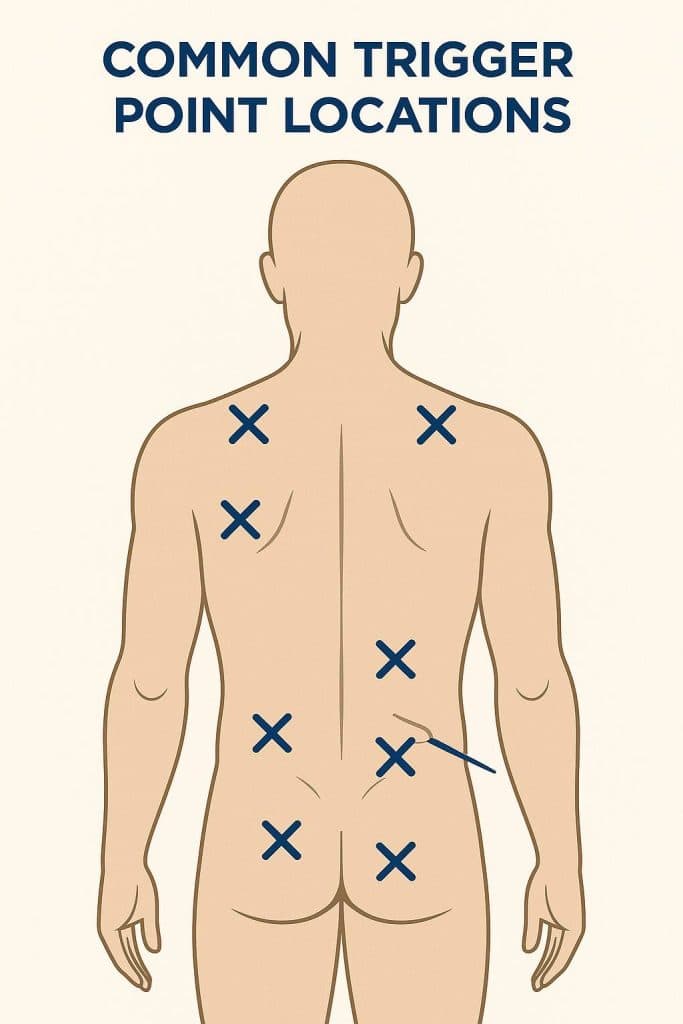
Trigger points are hyperirritable spots in the fascia connective tissue surrounding skeletal muscle, which can feel like tight, painful “knots.”
- How They Work: A mixture of a local anesthetic and sometimes a small amount of steroid is injected directly into the trigger point. This helps the muscle relax, break the pain cycle, and alleviate the associated myofascial pain treatments.
- Conditions Treated: Myofascial pain syndrome, tension headaches, muscle spasms, and localized muscle pain due to injury or strain.
- Difference: Unlike the previous injections, TPIs target muscular pain, not nerve or joint pain.
Other Specialized Injections
In addition to the primary types, specialists also perform:
- Bursa Injections: Targeting painful inflammation of a bursa a fluid-filled sac that cushions joints to treat conditions like bursitis.
- Joint Injections: Injections into larger joints shoulder, knee, hip primarily for arthritis or joint-related pain relief.
Conditions Treated with Chronic Pain Injections
Injection therapy is a highly effective option for managing a wide spectrum of chronic pain conditions by targeting the root cause of discomfort:
Emphasizing the importance of proper diagnosis, the specific injection technique is always determined after a thorough evaluation and often after diagnostic imaging to accurately pinpoint the source of the pain.
Benefits and Expected Outcomes
Choosing injection therapy as part of your integrated pain management approach offers several significant advantages over chronic medication use:
- Targeted Relief: Treats the specific area causing the problem.
- Improved Function: Reduced pain allows patients to participate more effectively in physical therapy, leading to better long-term mobility.
- Minimal Recovery Time: Procedures are quick, and recovery is generally rapid.
- Non-Surgical: A powerful alternative to invasive surgical procedures.
While results vary, many patients experience significant pain reduction, often lasting weeks to months, allowing them to resume normal activities and dramatically improve their quality of life.

The Injection Procedure: What to Expect
It’s natural to feel anxious about any medical procedure, but knowing what to expect can help ease your mind. When you receive a pain injection from our minimally invasive pain procedures specialists, the process is streamlined and focused on your comfort.
- Preparation: You will be positioned on the procedure table, typically on your stomach or side, and the injection site will be cleaned and sterilized.
- Guided Precision: For spinal and most joint injections, your doctor will use fluoroscopy a type of X-ray or ultrasound to visualize your internal anatomy, ensuring accurate needle placement.
- Local Anesthetic: A local anesthetic is used to numb the skin and underlying tissue before the main injection.
- Injection: The medication mixture is delivered. The procedure itself usually takes only 15 to 30 minutes.
- Recovery: You will rest briefly before being monitored. It’s normal to experience temporary numbness due to the anesthetic. Full pain relief from the steroid component may take several days to a week to be fully felt.
Safety and Considerations
Pain management injections are generally safe when performed by experienced, professional pain management care specialists. As with any procedure, there are considerations:
- Side Effects: Most side effects are mild and temporary, such as localized soreness or bruising at the injection site.
- Specialist Expertise: The experience of the specialist and the use of imaging guidance are critical factors in minimizing risk and maximizing efficacy.
- Candidacy: Patients with certain conditions, like an active infection, bleeding disorders, or certain allergies, may not be candidates. A proper diagnosis and medical history review are essential.
Why Choose Professional Injection Therapy in Beaumont, TX
When considering injections for chronic pain Beaumont TX, choosing a qualified local practice is crucial. Our Beaumont pain management specialists prioritize accurate diagnosis, personalized treatment planning, and compassionate care.
We combine expertise in guided injection procedures with a commitment to finding the most effective, non-surgical path to relief, ensuring you receive the highest standard of specialized care right here in Beaumont, TX.
Conclusion
Injection-based interventions—including epidural, facet joint, nerve blocks, and trigger point injections—offer powerful, targeted relief for a wide range of chronic pain conditions. They are not a standalone solution but a vital, effective component of a comprehensive pain management strategy.
If you’re tired of chronic pain limiting your life, professional evaluation and diagnosis can determine if injection therapy is the key to regaining comfort and mobility.
Learn about your injection options for chronic pain. Contact our Beaumont pain management specialists to schedule a consultation and discover how injections can help you regain comfort and mobility.

Medically reviewed by
Verified
DS
Deepak Sharma
DC
Owner & Doctor of Chiropractic
Deepak Sharma, DC is a licensed Doctor of Chiropractic and the owner of Car Accident Cares in Beaumont, TX. He reviews the clinical content published across the site and works with a multidisciplinary network of MDs, chiropractors, imaging centers, and pain-management specialists focused on accurate diagnosis, evidence-based treatment, and complete recovery for motor-vehicle-accident victims across Beaumont and Houston.