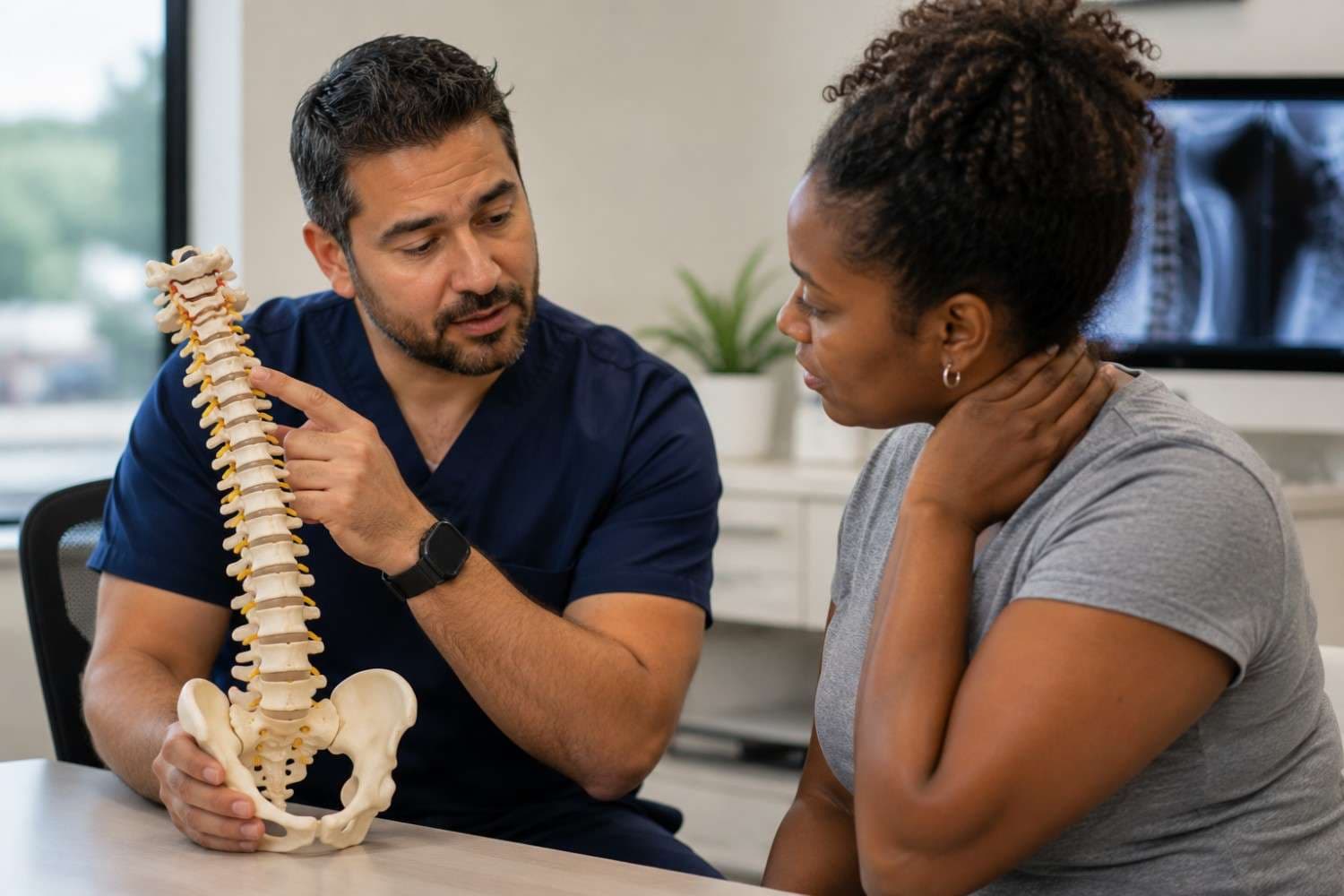
The Importance of Following Your Doctor’s Treatment Plan After a Crash
DS
By Deepak Sharma, DC
Medically reviewed
Owner & Doctor of Chiropractic · 6 min read · Published · Updated · Last reviewed

Introduction
If you’ve been in a car accident in Beaumont, TX, you’re not alone—Jefferson County logged over 8,500 collisions in 2023. After an initial evaluation, it’s common to feel better and consider skipping follow-up appointments. However, neglecting following doctor’s treatment plan after car accident recovery can lead to prolonged pain, permanent injuries, and jeopardized legal claims. This post explains why medical compliance is vital for full healing and how each component of your plan works together to restore your health. For comprehensive support, explore Car Accident Cares.

Why Medical Compliance Matters After Crashes
01
Hidden Consequences of Non-Adherence
Roughly 50% of patients fail to follow prescribed treatments across medical contexts. After a crash, skipping therapy or medication can extend your recovery by months and increase the risk of chronic pain. In fact, inadequate treatment after whiplash leads to persistent symptoms in up to 70% of victims, turning a temporary injury into a lifelong condition.
02
Adrenaline Masks Severity
Adrenaline can conceal serious damage for 24–72 hours, delaying symptom onset of whiplash, concussions, or internal injuries. Feeling “fine” immediately post-accident doesn’t guarantee you’re uninjured. This delayed onset of symptoms makes importance of medical compliance after crash even more vital; what feels like minor stiffness could be the start of a more significant problem that requires professional attention. Prompt evaluation by an auto-injury specialist ensures hidden issues are diagnosed and treated before they worsen.
Risks of Skipping Treatment
01
Long-Term Physical Complications
Ignoring your doctor’s orders after accident can have severe and lasting physical consequences. Untreated injuries can result in scar tissue formation, reduced range of motion, and nerve damage causing shooting pain or numbness. Chronic pain syndromes often require more invasive—and expensive—interventions later. For specialized injury care, especially for conditions like whiplash, explore our whiplash treatment options.
02
Impact on Legal Claims
Insurance adjusters scrutinize treatment gaps, using missed appointments to argue your injuries lack severity or connection to the crash. Consistent medical records demonstrating adherence to your car accident recovery plan bolster your credibility and safeguard your claim.
Understanding Your Treatment Plan Components
Medical Appointments & Follow-Ups
Although 89% of patients attend their initial appointment, only about 64% complete all recommended follow-ups. Each visit allows your physician to monitor progress, adjust therapies, and catch complications early. Think of follow-ups as checkpoints on your road to recovery.

Physical Therapy & Rehabilitation
Physical therapy rebuilds strength, flexibility, and function. Studies show compliant patients achieve 30% better mobility and pain reduction versus non-compliant peers. Regular sessions prevent setbacks and accelerate healing.
Medication Management
If prescribed, adhering to your medication regimen is a critical part of your doctor’s orders after accident. Prescribed medications manage pain and inflammation, enabling participation in therapy and daily activities. Always follow dosage instructions, report side effects promptly, and never discontinue medications without your doctor’s approval.
Chiropractic Adjustments & Manual Therapy
Spinal misalignments from a crash often benefit from chiropractic care. Adjustments improve alignment, reduce nerve compression, and complement physical therapy. Yet only 44% of patients perform recommended at-home exercises. Both in-office adjustments and home routines are essential for lasting results.
Creating Consistency in Your Recovery
01
The Power of Routine Medical Care
Regular appointments ensure your team can fine-tune treatments as you heal. Attending every session—medical, physical therapy, or chiropractic—distinguishes between steady progress and stalled recovery. For integrated pain relief strategies, visit our pain management services.
02
Overcoming Compliance Barriers
Common obstacles include financial constraints, scheduling conflicts, or premature confidence in recovery. Openly discuss these challenges with your provider—they can offer flexible scheduling, payment plans, or home-based exercise modifications.
The Role of Each Treatment Modality
How Treatment Modalities Work Together
A car accident recovery plan thrives on synergy:
- Chiropractic adjustments restore spinal alignment.
- Physical therapy rebuilds strength and mobility.
- Medications control pain/inflammation to facilitate therapy.
Omitting one component compromises overall effectiveness and risks incomplete healing.

Monitoring Progress & Adjusting Plans
Every follow-up is an opportunity to gauge healing via physical exams and diagnostic imaging. Your honest feedback guides treatment tweaks—whether increasing therapy intensity, adjusting medications, or incorporating new exercises. Explore our diagnostic imaging options.
Preventing Long-Term Complications
Incomplete treatment not only prolongs physical pain but can also spawn mental health issues such as anxiety or depression. Investing in thorough care today avoids invasive procedures—like surgery—that might become necessary if injuries worsen unchecked.
Building Healthy Recovery Habits
Your active role powers successful recovery. To stay on track:
- Set appointment reminders.
- Follow your home exercise regimen daily.
- Take medications exactly as prescribed.
- Communicate challenges to your care team promptly.
Additional lifestyle tips are available in our wellness resources.
Conclusion
Adhering to your doctor’s treatment plan after car accident is the single most impactful choice you can make for a complete, lasting recovery. In Beaumont, TX, where accident rates remain high, trusting your personalized recovery roadmap prevents chronic pain, safeguards legal claims, and restores your quality of life. Commit to every appointment, therapy session, and home exercise. Your healthcare team designs these steps for your unique needs—embrace the process and reclaim your health.
Medically reviewed by
Verified
DS
Deepak Sharma
DC
Owner & Doctor of Chiropractic
Deepak Sharma, DC is a licensed Doctor of Chiropractic and the owner of Car Accident Cares in Beaumont, TX. He reviews the clinical content published across the site and works with a multidisciplinary network of MDs, chiropractors, imaging centers, and pain-management specialists focused on accurate diagnosis, evidence-based treatment, and complete recovery for motor-vehicle-accident victims across Beaumont and Houston.