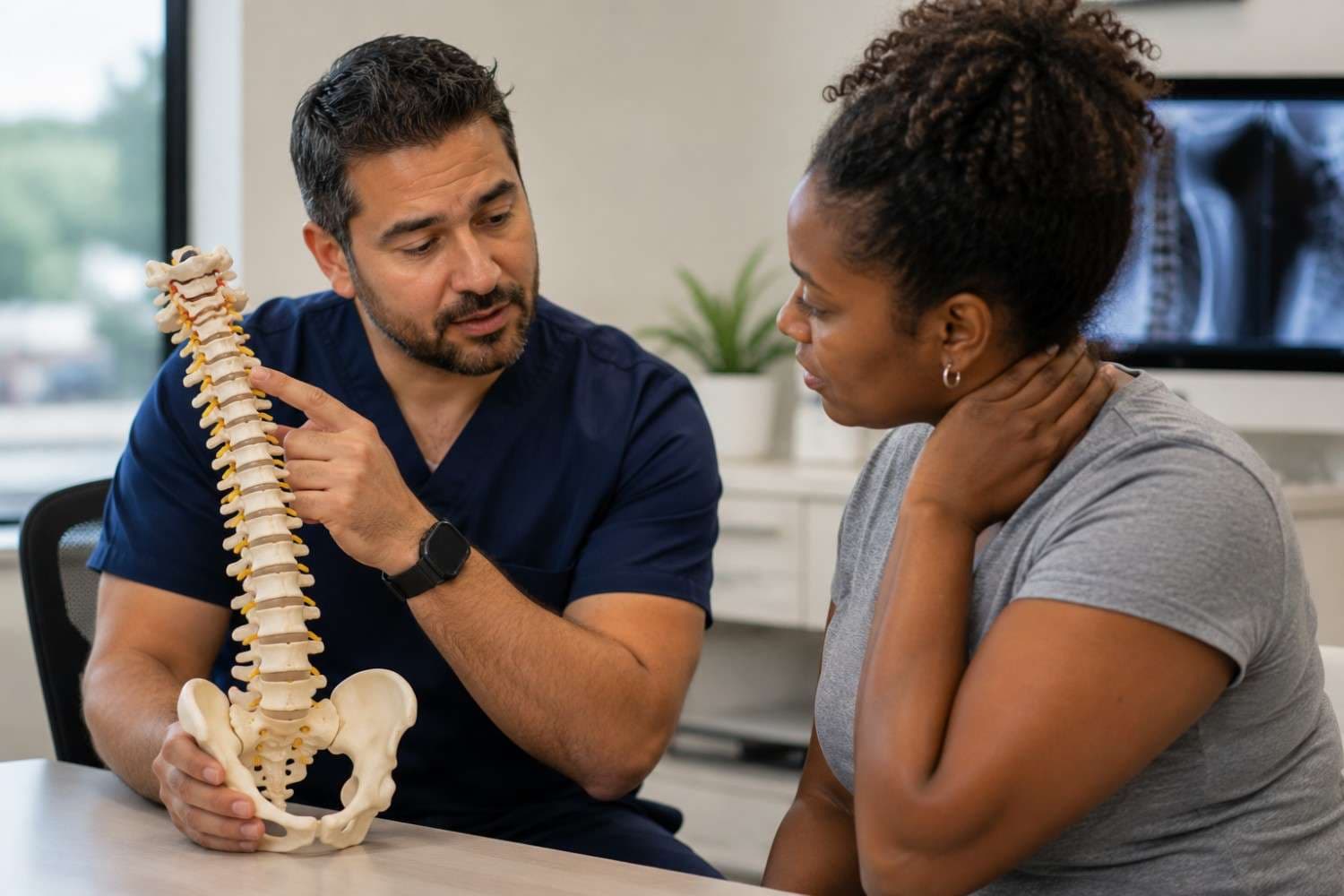
The Importance of a Thorough Medical Examination in Beaumont, TX
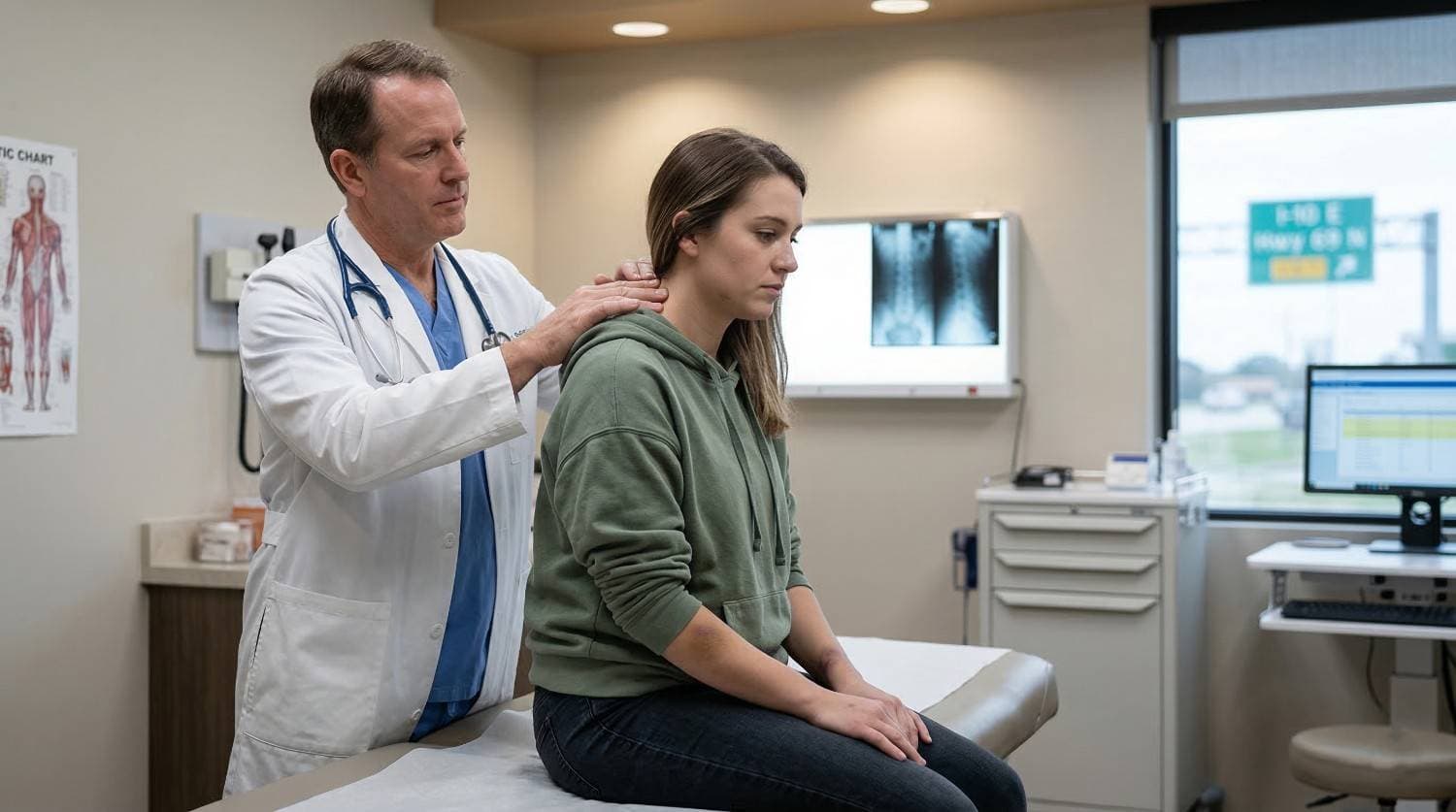
Understanding the Importance of a Thorough Physical Examination in Beaumont TX
Comprehensive Physical Examinations vs. a Quick Check
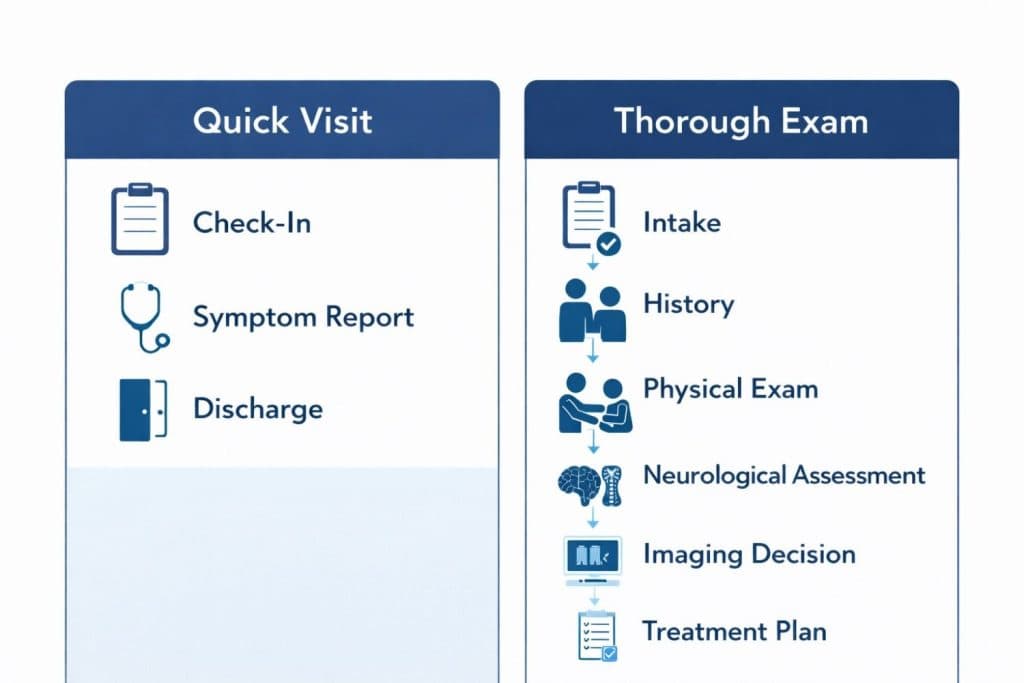
What a Complete Physical Exam Includes
Medical History Review
- The exam begins with a thorough review of your health history, family medical history, current medications, past surgeries, and any health concerns since your last visit. This gives your care provider the clinical context needed to interpret every subsequent finding accurately.A detailed family medical history — covering first-degree relative history of cardiovascular disease, types of cancer, diabetes, and high blood pressure — determines which screenings are appropriate for your profile. Obtaining this history thoroughly is not a formality: clinical literature consistently shows that a high percentage of diagnostic errors originate from incomplete history-taking, not from failed imaging.
Vital Signs and BMI Assessment
- Blood pressure: The primary screening tool for high blood pressure — a condition that frequently produces no noticeable symptoms yet is a leading risk factor for stroke and cardiovascular disease.
- Heart rate, respiratory rate, and oxygen saturation: Baseline indicators of cardiovascular and pulmonary function.
- Temperature: Flags systemic inflammation or infection.
- BMI and body mass index: A screening indicator for metabolic and cardiovascular risk, interpreted within the full context of your health history.
Head-to-Toe Physical Assessment

Laboratory Screening and Diagnostics
Vaccination Review — Update Your Vaccinations
Establishing a Baseline for Your Health
Early Detection Changes Outcomes
Post-Accident Evaluation: Patient Care After a Collision in Southeast Texas
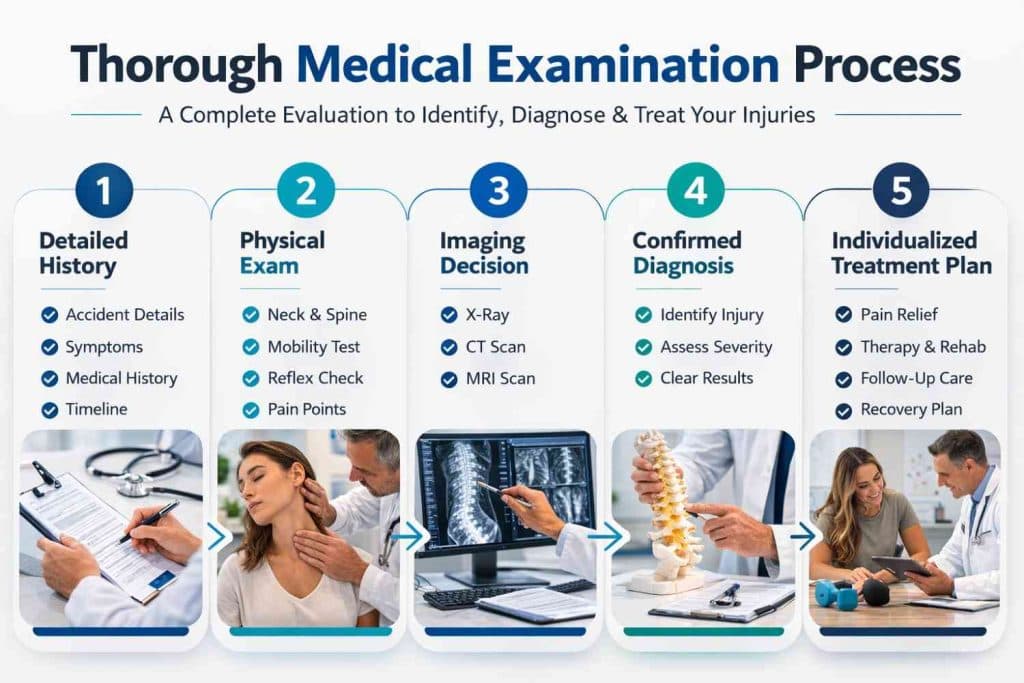
What to Expect at Our Beaumont Clinic During a Physical Exam
- Intake and history review: Health history, family medical history, medications, and vaccination record documented before your provider enters the room.
- Detailed history conversation: Your healthcare provider reviews your documentation and builds a complete clinical narrative focused on any changes since your last visit.
- Vital signs and BMI assessment: Blood pressure, heart rate, respiratory rate, oxygen saturation, temperature, and body mass index measured and recorded as part of your baseline.
- Comprehensive physical assessment: Head-to-toe examination guided by your symptoms, risk factors, and injury history — including neurological and range-of-motion assessments where indicated.
- Screening, imaging, and vaccination update: Labs, cancer screenings, imaging, and vaccination updates coordinated based on clinical findings and your individual health profile.
- Care plan and referrals: Before you leave, you understand your diagnosis or screening results, your care recommendations, and any specialist referrals being coordinated.
Conclusion
Frequently Asked Questions About Car Accident Care in Beaumont
What is the importance of a thorough physical examination?
A thorough physical examination allows your healthcare provider to establish a baseline for your health, identify potential issues before they produce noticeable symptoms, update your vaccinations, and screen for high blood pressure and elevated cholesterol. Early detection significantly improves long-term health outcomes and keeps problems from becoming serious.
What does a comprehensive physical exam include?
It includes a medical and family medical history review, vital signs and BMI assessment, head-to-toe physical assessment, cholesterol and laboratory screenings, vaccination review and updates, and a care provider discussion of any current health concerns.
How often should you get an annual physical exam?
Most primary care providers recommend a yearly physical at minimum. Patients with chronic conditions, high blood pressure, or significant family medical history may need more frequent evaluation. Your healthcare provider will determine the right schedule based on your individual health status.
Why is establishing a baseline important in preventive healthcare?
A documented baseline gives your care provider a reference point for your normal values — cholesterol, blood pressure, BMI, vital signs. Without it, changes and trends that signal early disease go undetected until a condition has already progressed significantly.
Why is a thorough physical exam important after an accident?
Adrenaline suppresses pain for 24 to 72 hours post-impact even when structural damage has occurred. A prompt, thorough physical exam documents your health status at the earliest clinical point, identifies injuries without noticeable symptoms, and creates the medical record baseline essential for both treatment and Texas insurance documentation.
How long after a car accident should you see a doctor?
You should be evaluated by a medical professional within 72 hours of a car accident, even if you feel fine. This specific timeframe is critical for two reasons. Medically, adrenaline masks serious trauma like whiplash and internal injuries, which often take two to three days to present symptoms. Legally and financially, Texas insurance companies closely monitor the gap in treatment. If you wait beyond 72 hours, insurance adjusters often argue that your injuries are unrelated to the crash or aren’t severe. Getting a prompt physical exam establishes a timestamped, undeniable link between the collision and your injuries.
Should I go to the doctor if I feel perfectly fine after a car accident?
Yes, you must get a medical evaluation even if you feel completely fine. During a crash, your body triggers a massive fight-or-flight response, flooding your system with adrenaline and endorphins. This natural chemical reaction acts as an incredibly potent painkiller, masking structural damage like micro-tears in your ligaments, hairline fractures, and early signs of a concussion. By the time this adrenaline wears off days later, your condition may have worsened significantly. A specialized post-accident physical examination relies on orthopedic and neurological tests, not just your perception of pain, to uncover hidden injuries before they become chronic issues.
How do doctors prove my injuries were caused by the car accident?
Doctors establish causation by performing a trauma-specific diagnostic injury evaluation immediately after the collision. Instead of just asking where it hurts, they document the exact mechanics of the crash, such as the speed and angle of impact. They perform specialized orthopedic and neurological tests to measure range of motion, pinpoint nerve compression, and identify muscle spasms. Combined with targeted imaging like MRIs or X-rays, this creates an objective, timestamped clinical baseline. This comprehensive medical record explicitly separates pre-existing conditions from fresh trauma, providing undeniable evidence to insurance companies that the specific crash directly caused your new injuries.
How long does whiplash take to show up after a car crash?
Whiplash symptoms typically take 24 to 72 hours to fully materialize after a car crash. When your vehicle is struck, your head is violently thrown forward and backward, stretching and tearing the deep stabilizing muscles and ligaments in your neck. Initially, inflammation is low, and adrenaline masks the damage. However, as the micro-tears swell over the next few days, you will develop severe stiffness, limited range of motion, headaches originating from the base of the skull, and radiating shoulder pain. Waiting for these symptoms to peak before seeking treatment allows scar tissue to form, prolonging your recovery.
What is a soft tissue injury from a car accident?
A soft tissue injury refers to damage sustained by your muscles, ligaments, and tendons rather than your bones. In car accidents, the most common soft tissue injuries are sprains, strains, and contusions caused by the violent, sudden forces of the impact. Whiplash is a prime example, where the neck’s ligaments are severely overstretched. These injuries are notoriously difficult to prove because they do not show up on standard emergency room X-rays. Diagnosing them requires a thorough physical examination involving range-of-motion testing and muscle palpation, often followed by an MRI to visualize the exact location and severity of the tears.
Deepak Sharma, DC is a licensed Doctor of Chiropractic and the owner of Car Accident Cares in Beaumont, TX. He reviews the clinical content published across the site and works with a multidisciplinary network of MDs, chiropractors, imaging centers, and pain-management specialists focused on accurate diagnosis, evidence-based treatment, and complete recovery for motor-vehicle-accident victims across Beaumont and Houston.