The Emotional Toll of Car Accidents: Understanding PTSD After Car Accident Beaumont TX
DS
By Deepak Sharma, DC
Medically reviewed
Owner & Doctor of Chiropractic · 6 min read · Published · Updated · Last reviewed

Introduction
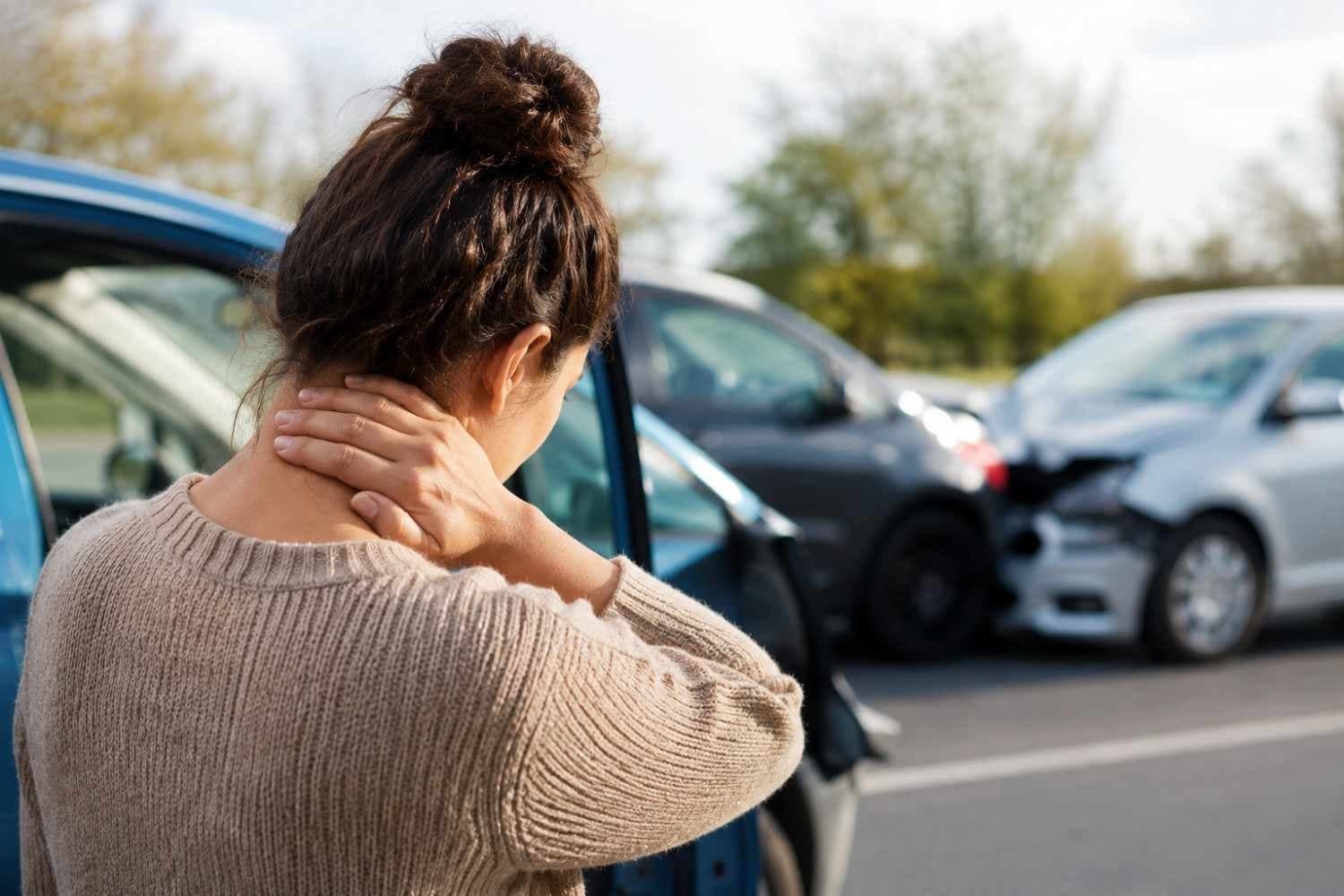
Car accidents in Beaumont, TX, can leave lasting emotional scars that are as debilitating as physical injuries. Studies indicate that 20–30% of crash survivors develop psychological symptoms such as anxiety, depression, or Post-Traumatic Stress Disorder (PTSD) after car accident Beaumont TX. Recognizing and addressing these hidden wounds is essential for full recovery. This article explores the causes, symptoms, and treatment options for PTSD, and explains how integrated, mind-body care at Car Accident Cares ensures you receive the comprehensive support you need.

Why Car Accidents Trigger PTSD
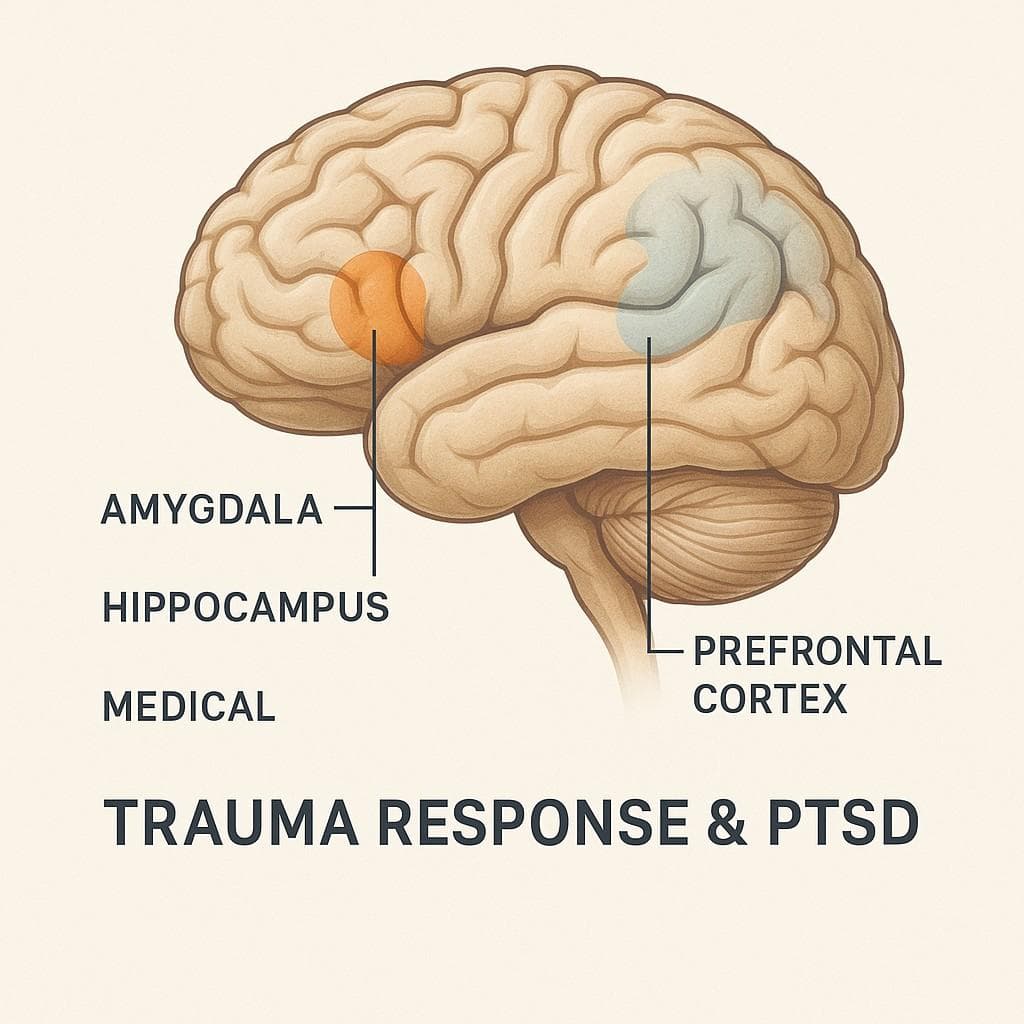
A collision is a sudden threat that activates the body’s fight-or-flight response. While this acute stress reaction is necessary for survival, it can persist beyond the event, causing the brain to remain in a state of hyper-arousal. Key factors that contribute to lasting emotional trauma include:
- Suddenness & Loss of Control: Being in a vehicle that veers or is struck without warning creates profound helplessness.
- Sensory Overload: Screeching tires, shattering glass, and honking horns etch vivid memories that can reawaken stress responses.
- Physical Injuries: Pain, prolonged recovery, and fear of re-injury intensify emotional distress.
- Financial & Lifestyle Disruption: Medical bills, lost wages, and uncertainty about future mobility add chronic stress.
Even seemingly minor fender-benders can trigger PTSD. That’s why prompt mental health screening is vital after any car crash.
Recognizing PTSD Symptoms After a Car Accident
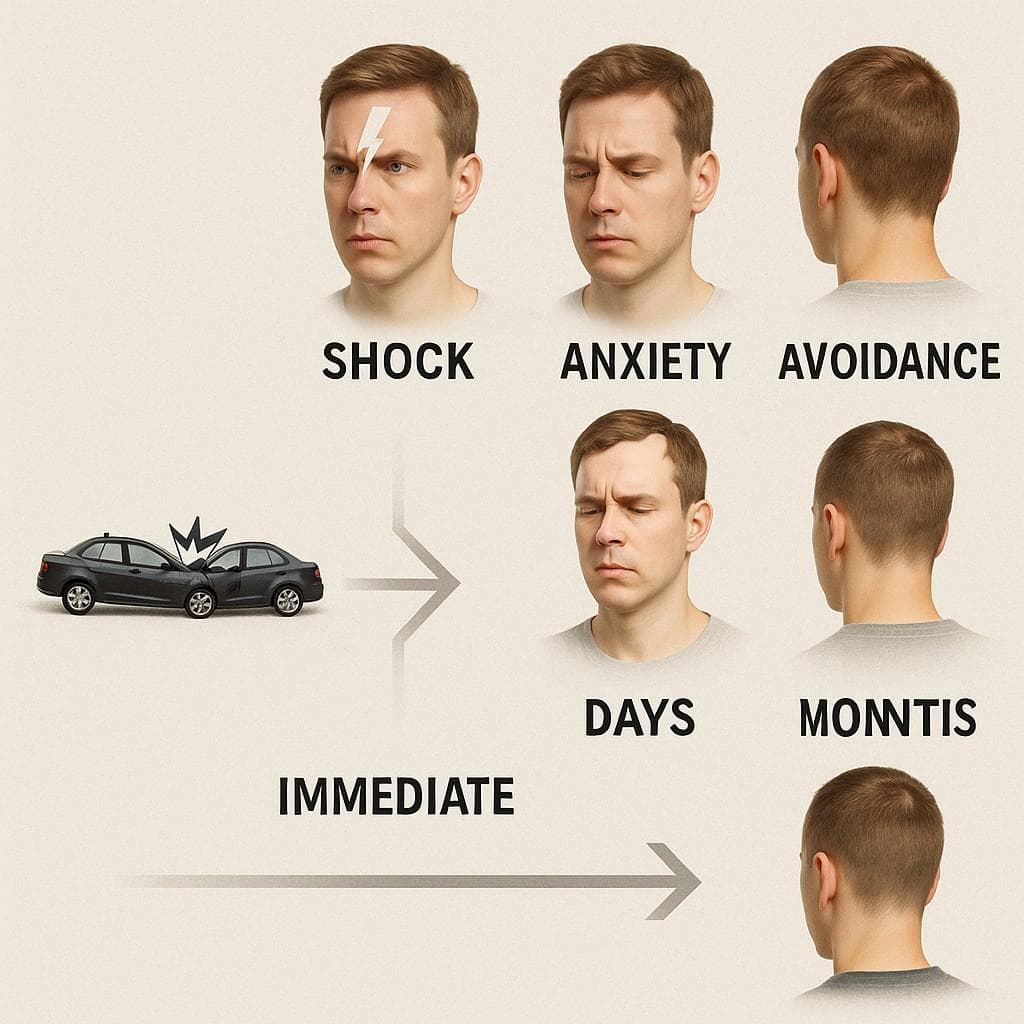
PTSD manifests through a constellation of symptoms that often emerge within weeks but sometimes surface months later. Understanding these signs can help you seek timely help:
Intrusive Re-Experiencing
- Flashbacks & Nightmares: Reliving the crash as though it’s happening now.
- Distressing Thoughts: Unwanted, vivid memories disrupt daily life.
- Emotional Distress: Intense anxiety or panic when reminded of the accident.
Avoidance & Numbing
- Avoiding Driving or Busy Roads: Skipping essential trips out of fear.
- Emotional Withdrawal: Pulling away from loved ones and social activities.
- Reduced Interest: Loss of pleasure in hobbies or work.
Hyperarousal & Reactivity
- Sleep Disturbances: Trouble falling or staying asleep due to anxiety.
- Irritability & Anger: Outbursts over minor frustrations.
- Hypervigilance: Constantly scanning for danger, especially while driving.
Cognitive & Mood Changes
- Concentration Difficulties: Trouble focusing at work or school.
- Negative Beliefs: Persistent guilt, shame, or fear of driving again.
- Depression & Anxiety: Overlapping conditions that exacerbate each other.
The Mind-Body Connection in Recovery
Untreated PTSD can prolong physical healing. Chronic stress increases pain sensitivity, impairs sleep, and weakens immunity. Conversely, addressing emotional trauma can accelerate physical recovery by:
- Reducing muscle tension through relaxation techniques
- Enhancing sleep quality, crucial for tissue repair
- Boosting motivation to adhere to rehabilitation exercises
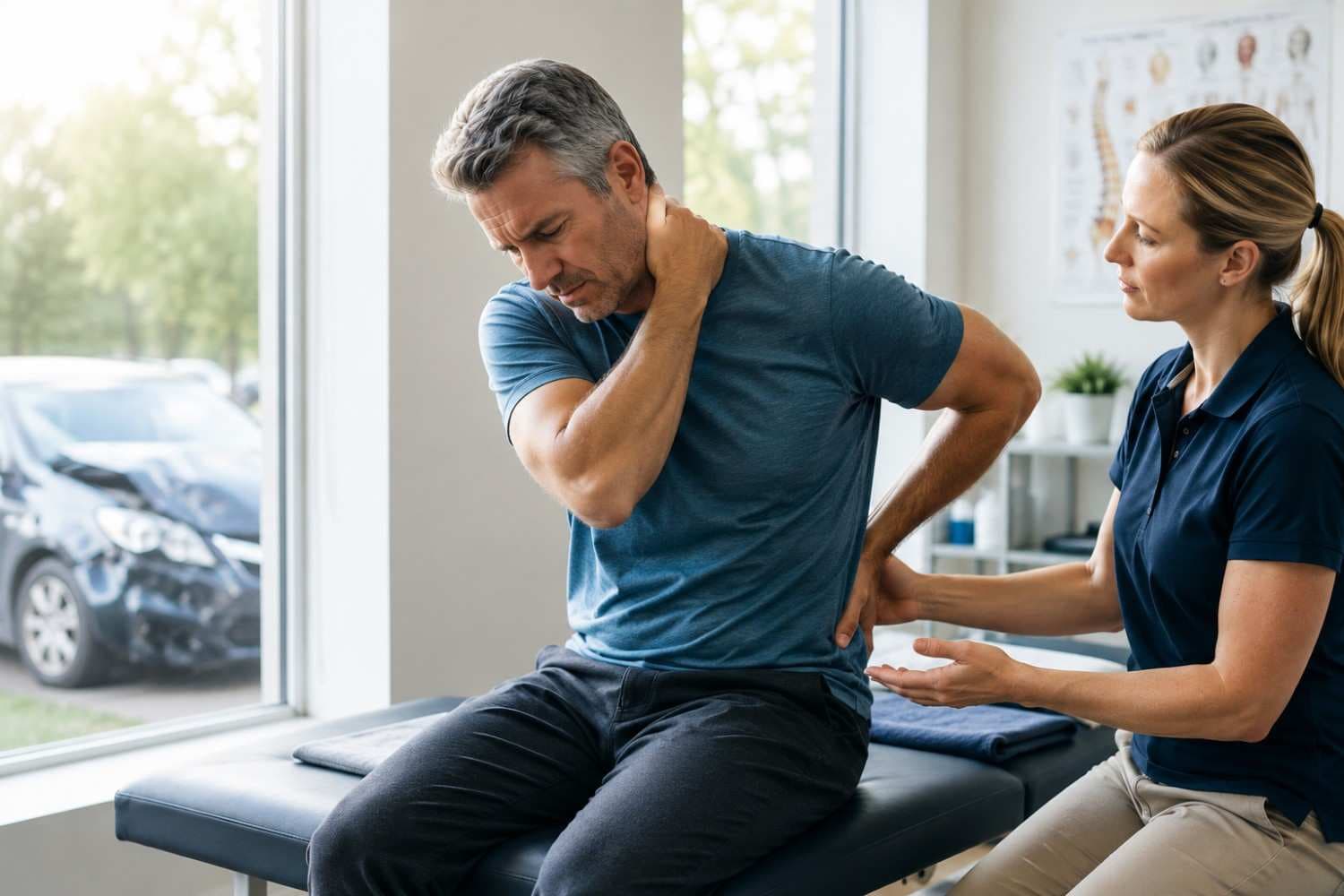
Our integrated approach at Car Accident Cares combines physical therapies with psychological support to optimize overall healing. Learn more about our comprehensive accident recovery model.
Common Co-Occurring Mental Health Challenges
Beyond PTSD, car accident survivors often experience:
- Generalized Anxiety Disorder (GAD): Persistent worry about driving or future accidents.
- Major Depressive Disorder: Persistent sadness and loss of interest in once-enjoyable activities.
- Panic Disorder: Sudden, intense anxiety episodes triggered by accident reminders.
- Driving Phobia (Vehophobia): Avoidance of driving altogether, impacting independence.
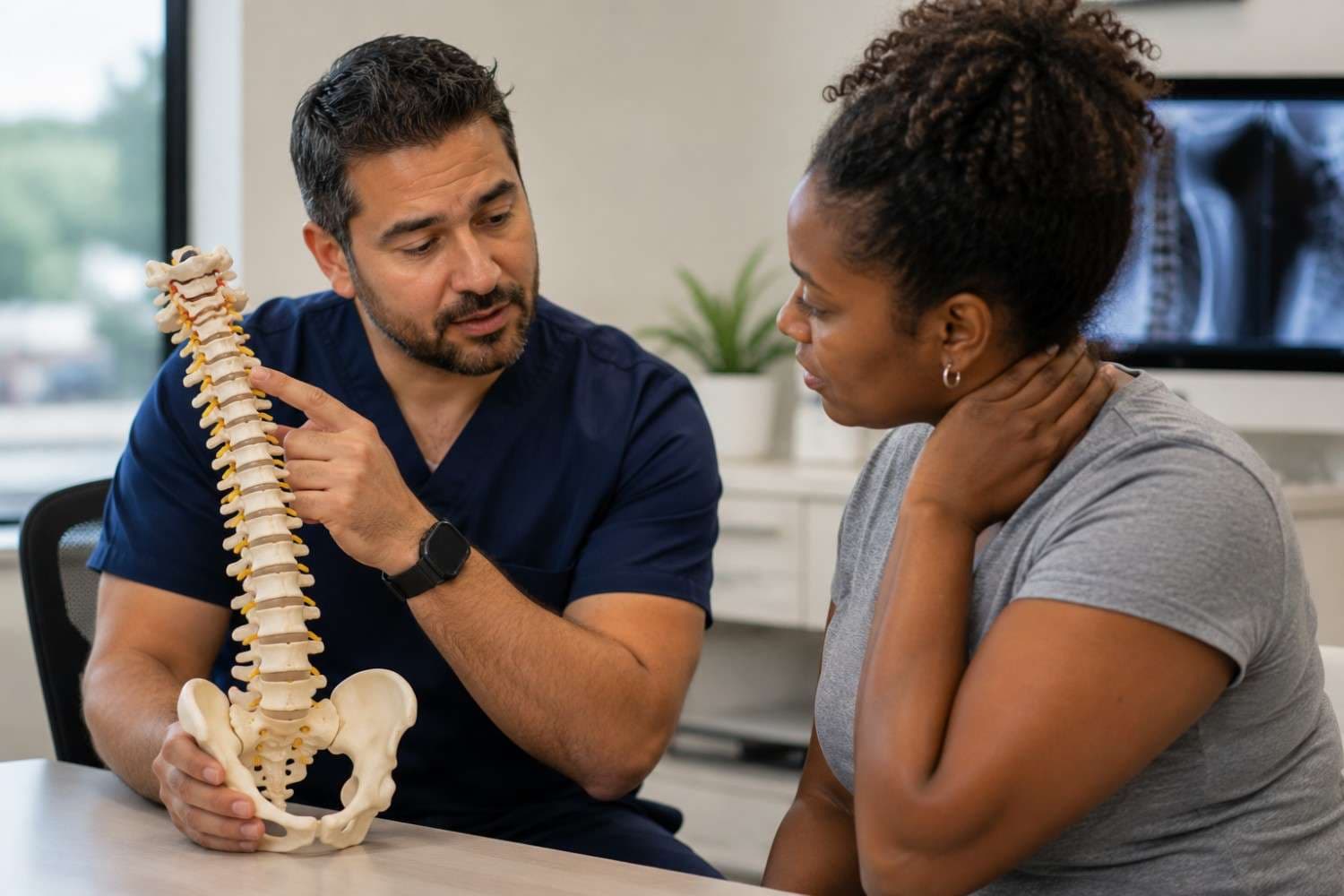
Recognizing these conditions early allows for targeted interventions. Our team works closely with local therapists and psychiatrists—such as those in the Beaumont mental health network—to coordinate seamless care.
Evidence-Based Treatments for PTSD
01
1. Trauma-Focused Cognitive Behavioral Therapy (TF-CBT)
Reframes negative thought patterns associated with the crash, reducing avoidance behaviors and anxiety.
02
2. Eye Movement Desensitization and Reprocessing (EMDR)
Uses guided eye movements to process and integrate traumatic memories, alleviating distressing flashbacks.
03
3. Stress Inoculation Training (SIT)
Teaches coping skills—such as deep breathing and progressive muscle relaxation—to manage hyperarousal.
04
4. Mindfulness-Based Stress Reduction (MBSR)
Incorporates meditation and yoga to enhance present-moment awareness and reduce rumination.
05
5. Pharmacotherapy
Selective serotonin reuptake inhibitors (SSRIs) or SNRIs help stabilize mood and reduce anxiety symptoms.
Building Resilience: Practical Strategies
While pursuing professional care, consider these self-help strategies:
- Gradual Exposure: If driving anxiety looms, start with short, low-traffic routes accompanied by a trusted friend.
- Stress Management: Practice daily deep-breathing or guided imagery to curb hypervigilance.
- Routine & Structure: Maintain regular sleep, nutrition, and gentle exercise to stabilize mood.
- Social Support: Join a local support group or lean on family and friends for encouragement.
- Limit Re-Traumatizing Media: Avoid graphic news coverage of accidents that can reignite trauma.

When to Seek Immediate Help
Contact a mental health professional if you experience:
- Persistent PTSD symptoms beyond one month
- Suicidal thoughts or self-harm ideation
- Severe depression, panic attacks, or inability to function in daily life
Conclusion
Recovery from a car accident in Beaumont, TX, demands attention to both physical and emotional wounds. PTSD after car accident Beaumont TX is a treatable condition when identified early and managed comprehensively. At Car Accident Cares, our holistic, mind-body approach ensures you receive the integrated trauma support you deserve.
Medically reviewed by
Verified
DS
Deepak Sharma
DC
Owner & Doctor of Chiropractic
Deepak Sharma, DC is a licensed Doctor of Chiropractic and the owner of Car Accident Cares in Beaumont, TX. He reviews the clinical content published across the site and works with a multidisciplinary network of MDs, chiropractors, imaging centers, and pain-management specialists focused on accurate diagnosis, evidence-based treatment, and complete recovery for motor-vehicle-accident victims across Beaumont and Houston.