The Connection Between Car Accidents and TMJ Pain
DS
By Deepak Sharma, DC
Medically reviewed
Owner & Doctor of Chiropractic · 7 min read · Published · Updated · Last reviewed
The Unexpected Impact: Car Accident TMJ Pain in Beaumont, TX
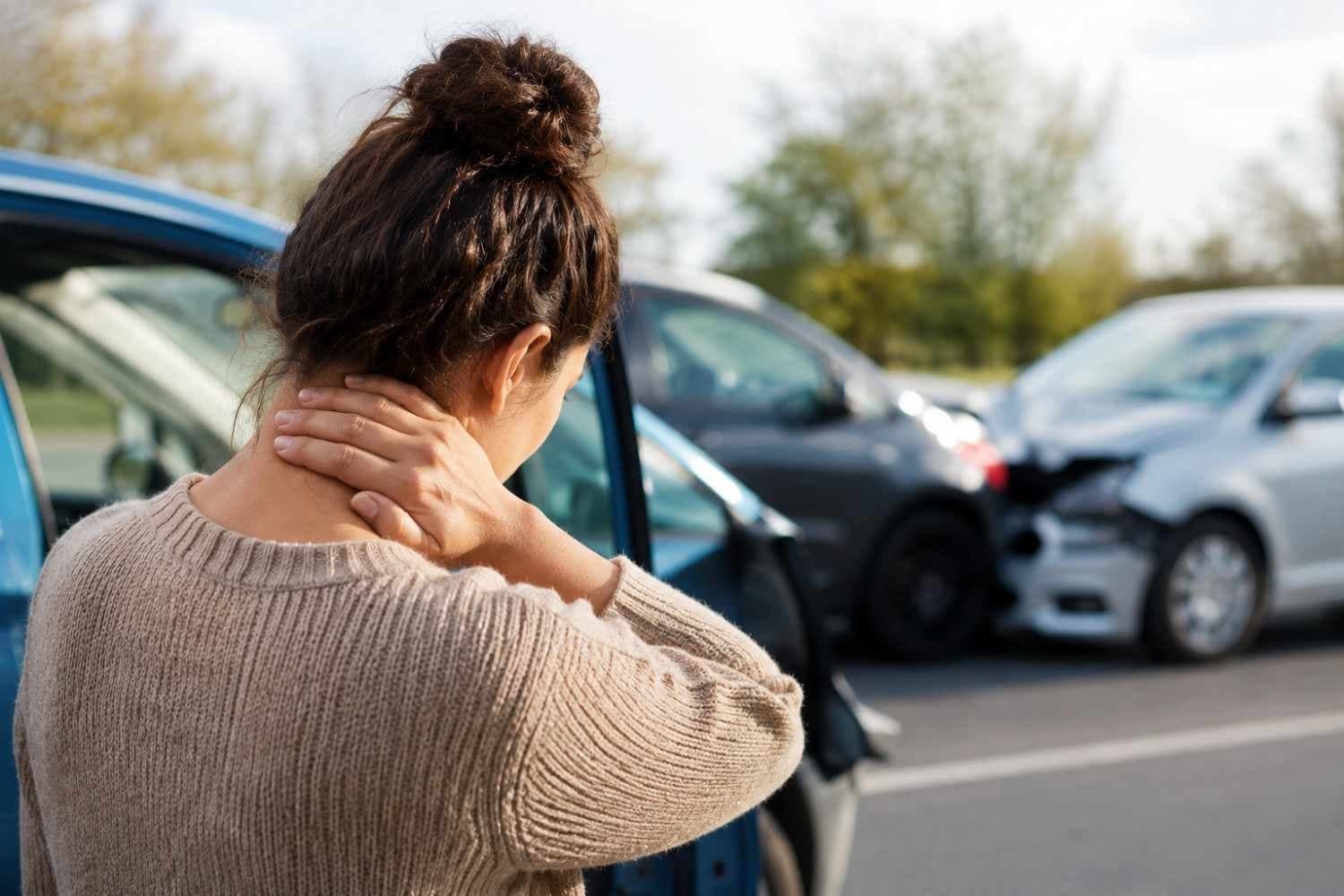
When you’re involved in an auto accident in Beaumont, TX, the immediate concerns often center around whiplash, back pain, and broken bones. However, there’s one debilitating injury that victims frequently overlook: Temporomandibular Joint (TMJ) dysfunction. The violent forces of a collision can wreak havoc on your jaw, leading to persistent and painful issues.
If you’re experiencing jaw discomfort, clicking, or limited movement after a crash, you’re not alone. We understand that finding effective treatment for car accident TMJ pain Beaumont TX can be challenging. This guide will explain the connection between your accident and your jaw pain and how our integrated services—including chiropractic, pain management, and MD evaluation—can help you find lasting relief.
How a Car Accident Impacts the Jaw
The biomechanics of a motor vehicle collision are brutal. Even a seemingly minor fender-bender can generate forces far beyond what the body is designed to withstand. When your head snaps forward and backward—a common whiplash motion—this energy isn’t just absorbed by your neck and shoulders; it travels straight up to your delicate temporomandibular joint.
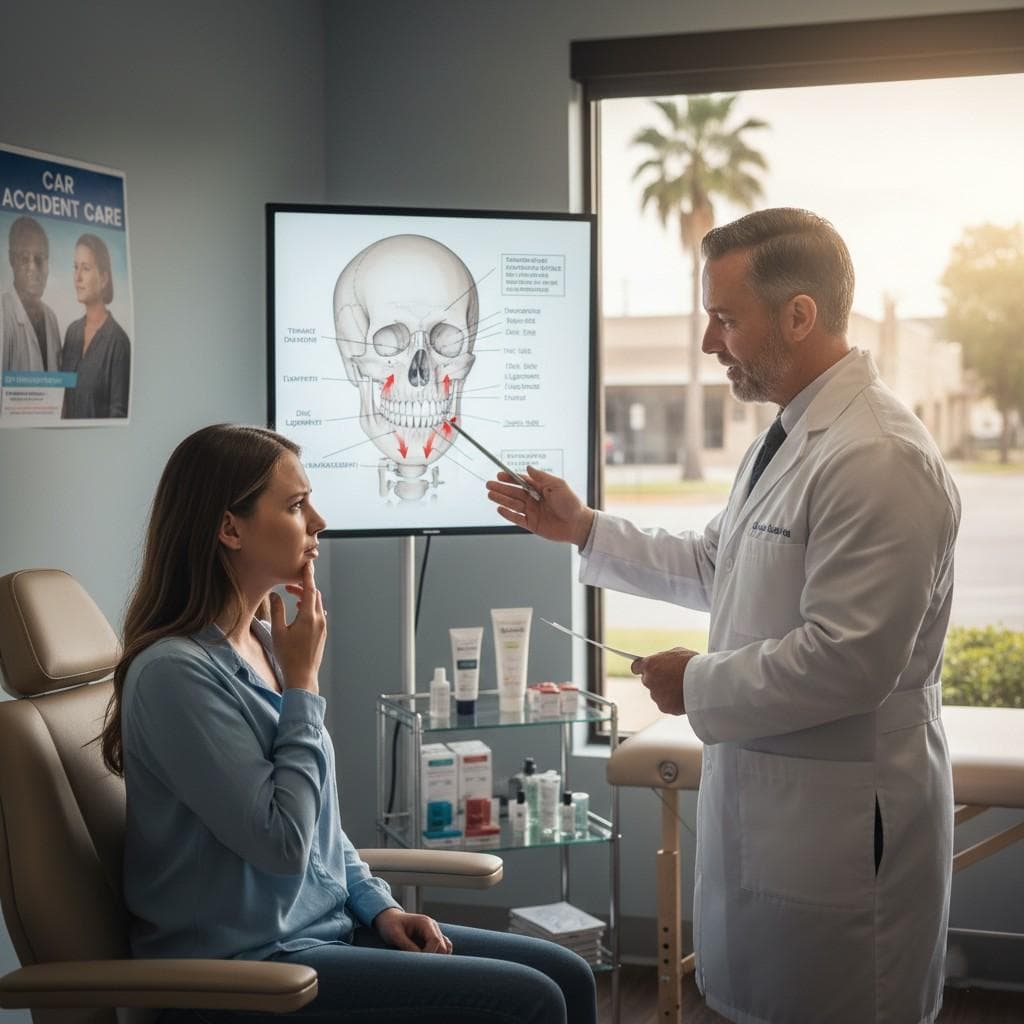
The TMJ acts as a hinge connecting your jawbone (mandible) to your skull, and it’s surrounded by a complex network of muscles, ligaments, and a small disc. When an accident occurs, these structures can be strained, sprained, or even displaced. See our Auto Injury Specialist.
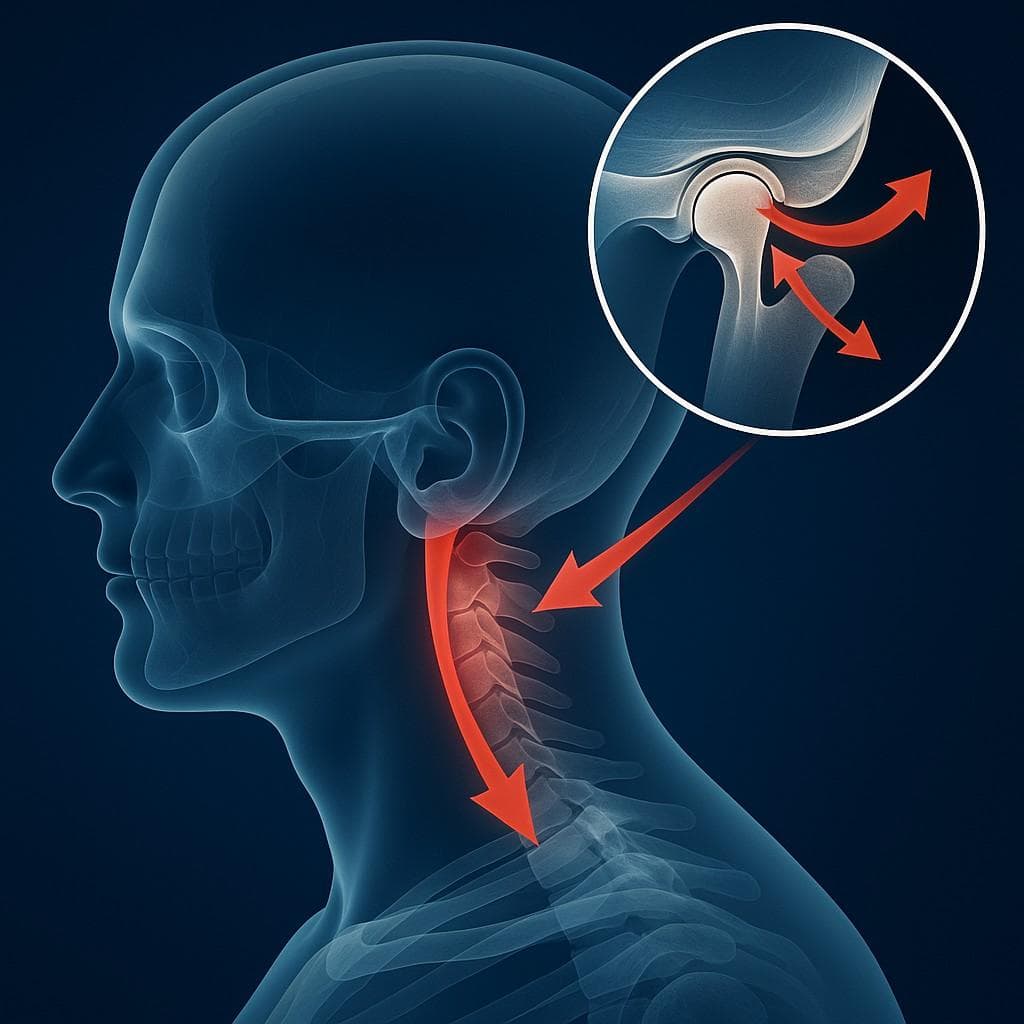
Whiplash and Jaw Trauma Mechanics
The rapid, uncontrolled acceleration and deceleration of your head during a crash is the primary mechanism of injury. This whiplash-style movement can cause the lower jaw to over-extend or twist, leading to a direct strain on the jaw’s ligaments and muscles. This rapid forward and backward head movement can:
- Displace the Disc: The soft disc between the bones can slip out of its normal position, causing clicking or locking.
- Strain Ligaments: The strong ligaments that stabilize the jaw can be stretched or torn.
- Overload Muscles: The powerful chewing muscles (masseter, temporalis) can go into spasm, resulting in debilitating jaw pain after accident.
Addressing the root cause of this trauma requires expert care focused on the entire affected area. Visit Car Accident Cares.
Recognizing Symptoms of TMJ Dysfunction After a Crash
Symptoms of temporomandibular joint dysfunction after accident can be immediate, or they may creep up on you days or even weeks later. It’s crucial for accident victims to know what to look for, as early intervention leads to better outcomes.
Common signs of post-accident TMJ dysfunction include:
- Persistent Jaw Pain: A dull ache or sharp pain in or around the ear, jaw joint, or face, often worse when chewing.
- Clicking, Popping, or Grating: Audible sounds when opening or closing your mouth.
- Limited Jaw Movement: Difficulty opening your mouth fully or the jaw “locking” open or shut.
- Headaches and Earaches: Pain that radiates into the temples, neck, or feels like a deep earache, often mistaken for other issues.
- Change in Bite: Feeling like your upper and lower teeth don’t fit together correctly.

When to Seek Professional Evaluation
If you experience any of these symptoms following a collision in Beaumont, TX, don’t wait for the pain to become unbearable. The ideal time to seek professional evaluation is within days to weeks post-accident. Delaying care can allow inflammation and muscle patterns to become chronic.
Our multi-disciplinary approach ensures a thorough evaluation to accurately diagnose your condition and rule out more serious injuries like fractures. See our MD Consultation Service.
Comprehensive Treatment for Post-Accident TMJ Pain
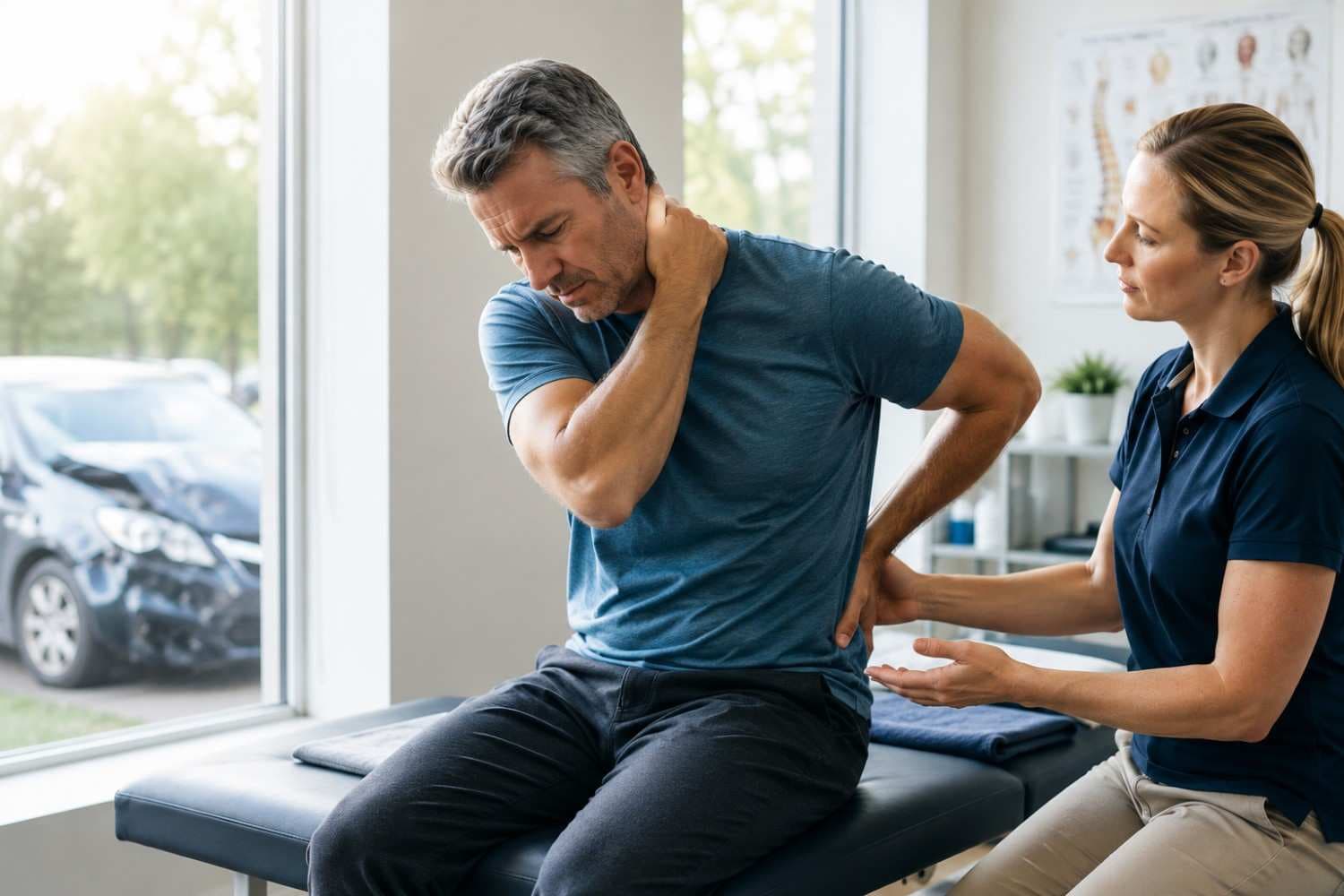
At our clinic, we offer an integrated approach to managing car accident TMJ pain that targets both the structural misalignment and the associated pain and inflammation.
Chiropractic Care for Post-Accident TMJ Pain
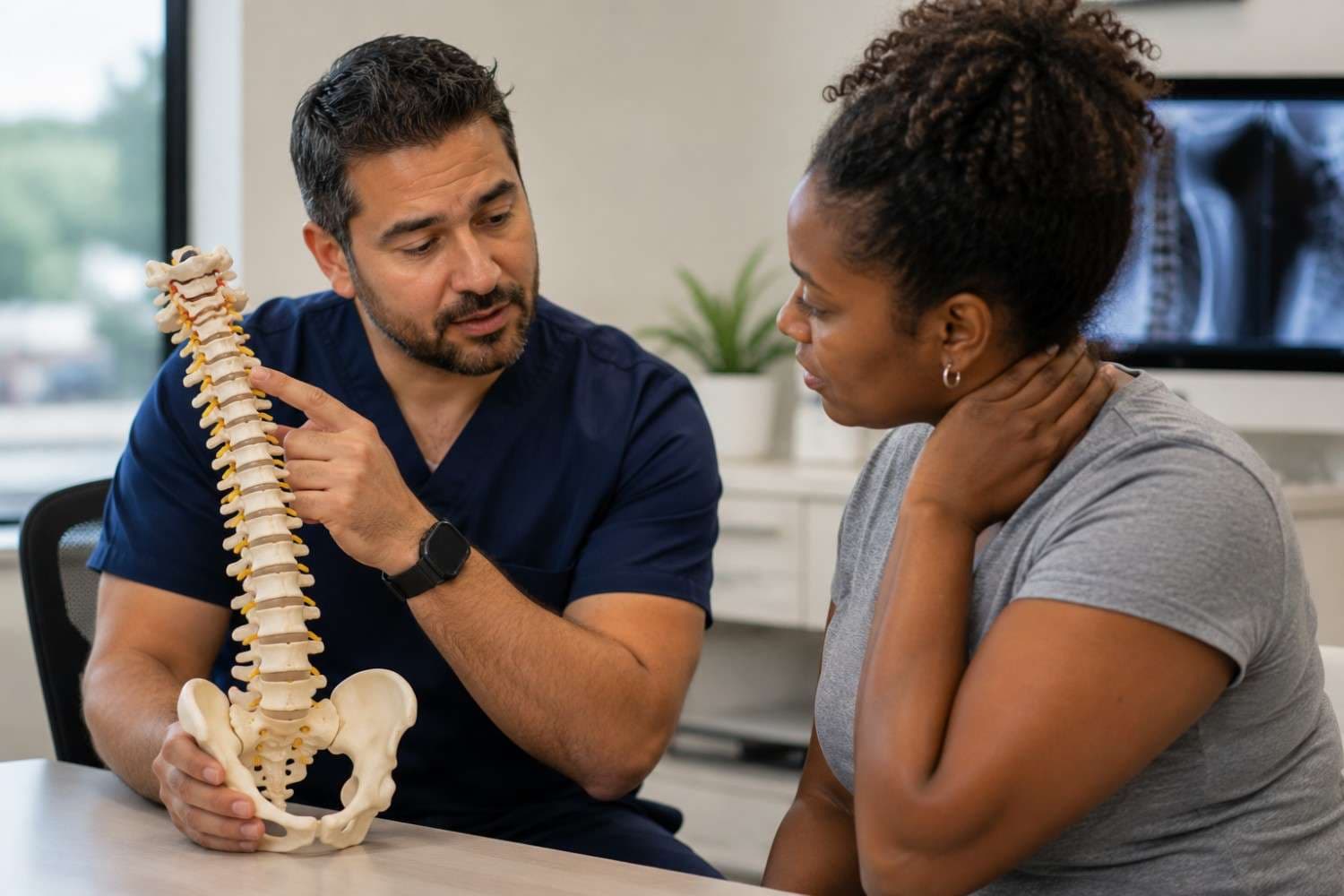
Chiropractic care is highly effective for TMJ issues caused by trauma. The connection between the neck cervical spine and the jaw is profound. Often, a whiplash-induced misalignment in the neck contributes to TMJ stress.
Our chiropractors utilize:
- Gentle Jaw Adjustments: Extremely light force adjustments directly to the TMJ to restore proper alignment of the joint disc and bones.
- Soft-Tissue Mobilization: Focused massage and trigger point therapy to release tension in the jaw, neck, and shoulder muscles that influence the TMJ.
- Posture Correction: Addressing forward head posture, which chronically strains the jaw muscles.
For More visit our Chiropractic Service.
Expected Benefits and Treatment Plan
Most patients experience a noticeable reduction in pain and increased jaw mobility within the first few weeks of consistent care. A typical treatment plan involves a series of initial sessions, gradually reducing in frequency as symptoms improve, along with customized home exercises to strengthen and stabilize the joint.
Pain Management Strategies
While chiropractic care addresses the structural issues, our Pain Management team works in parallel to alleviate acute discomfort and break the cycle of pain and muscle spasm.
Pain management options may include:
- Cold and Heat Therapy: Used to reduce inflammation and relax muscle tension.
- Oral Appliances (Splints): Custom-fit devices worn at night to prevent clenching and guide the jaw into a less stressful position.
- Trigger-Point Injections: Targeted injections to release deeply knotted muscles that are contributing to the jaw tension and headaches.
- Medication Management: Prescription of anti-inflammatories or muscle relaxants to manage severe acute symptoms.
Collaborative Care: MD Evaluation and Referrals
Our multi-disciplinary approach ensures you get the most comprehensive care possible. A physician MD on our team plays a critical role in thoroughly evaluating the injury, ordering diagnostic imaging like X-rays or MRIs to rule out fractures, and prescribing necessary medications. If your condition requires specialized surgical or dental intervention, we facilitate expert referrals within the Beaumont, TX area. This coordinated effort is the gold standard for complex auto injuries.
Prevention and Self-Care Tips
While professional treatment is vital, what you do at home matters, too. Implement these self-care tips to support your recovery:
- Eat Soft Foods: Give your jaw a rest by temporarily avoiding hard, chewy, or crunchy foods.
- Practice Jaw Stretches: Perform gentle, slow jaw-opening and closing exercises as advised by your therapist.
- Mind Your Posture: Be aware of your posture, especially when sitting at a desk or looking at a phone, to minimize strain on your neck and jaw.
- Stress Reduction: Stress often leads to clenching. Incorporate relaxation techniques like deep breathing or meditation.
Conclusion
The painful truth is that a car accident can easily lead to debilitating TMJ dysfunction, but the good news is that this condition is highly treatable. If you are a victim of a car crash in Beaumont, TX, and are struggling with jaw clicking, pain, or limited movement, you need an integrated care plan that addresses the trauma from all angles. Our team—combining the expertise of chiropractic care, pain management, and MD evaluation—is dedicated to helping you achieve a full, lasting recovery.
Early chiropractic and medical evaluation can significantly speed up your recovery and prevent acute TMJ pain from becoming a chronic, life-altering condition.
Don’t let undiagnosed jaw pain dictate your life after an accident.
Medically reviewed by
Verified
DS
Deepak Sharma
DC
Owner & Doctor of Chiropractic
Deepak Sharma, DC is a licensed Doctor of Chiropractic and the owner of Car Accident Cares in Beaumont, TX. He reviews the clinical content published across the site and works with a multidisciplinary network of MDs, chiropractors, imaging centers, and pain-management specialists focused on accurate diagnosis, evidence-based treatment, and complete recovery for motor-vehicle-accident victims across Beaumont and Houston.