
Radiofrequency Ablation for Long-Term Pain Relief in Beaumont, TX
DS
By Deepak Sharma, DC
Medically reviewed
Owner & Doctor of Chiropractic · 8 min read · Published · Updated · Last reviewed
Introduction
Chronic pain affects an estimated 15–20% of adults in Beaumont, TX, with persistent discomfort lasting over six months becoming a daily reality. When conservative treatments—medications, physical therapy, and injections—fail to deliver lasting relief, radiofrequency ablation Beaumont TX emerges as a proven, advanced solution. This minimally invasive procedure targets specific nerve pathways, offering significant hope for sustained pain relief through precise, controlled heat application that disrupts pain transmission to the brain.
This comprehensive guide will delve into what radiofrequency ablation is, how it’s performed, the conditions it effectively treats, and what you can realistically expect regarding sustained nerve pain relief. Our goal is to empower you with the knowledge to make informed decisions about your pain management, exploring advanced chronic pain treatments available right here in Beaumont.

What Is Radiofrequency Ablation?
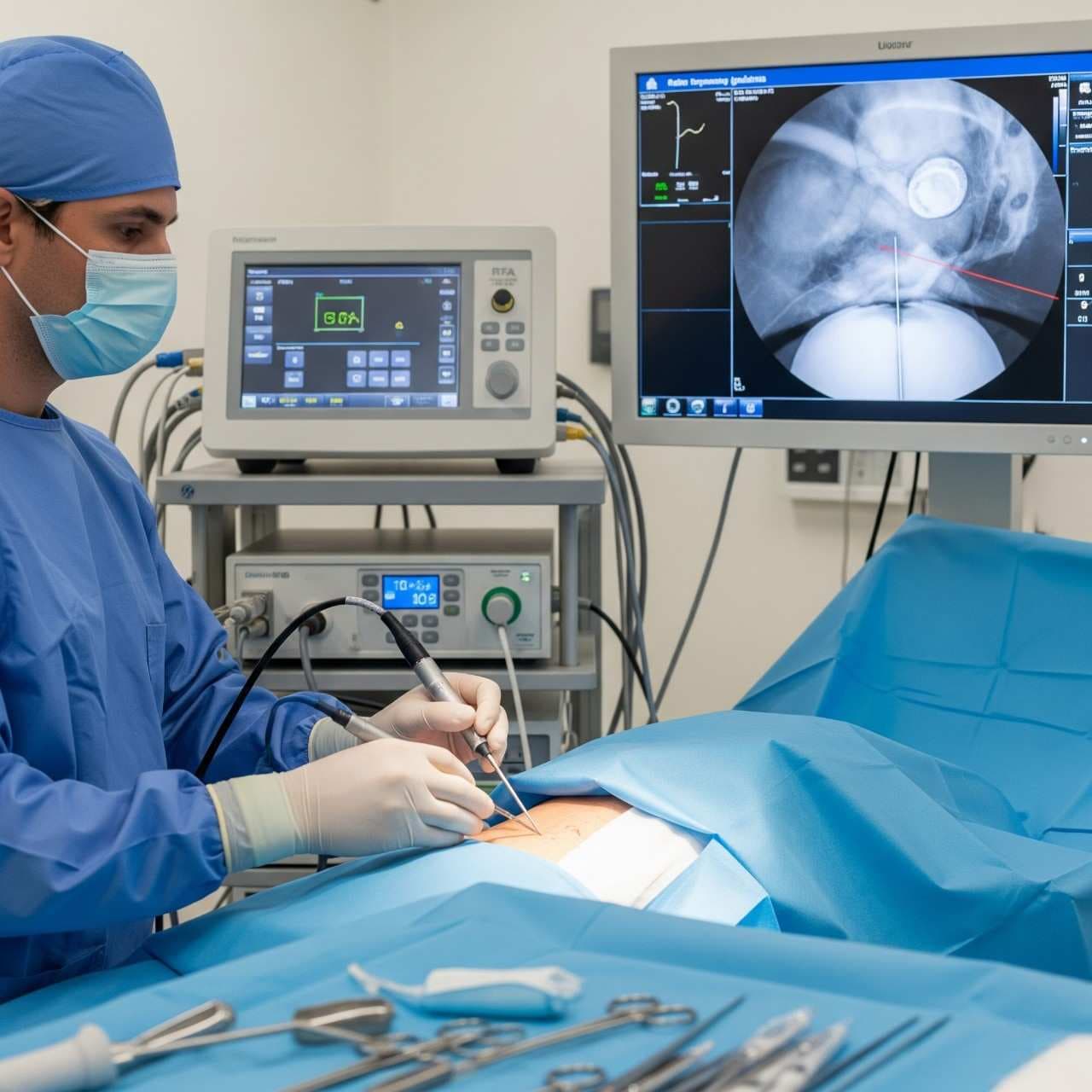
Radiofrequency ablation uses controlled thermal energy to create small lesions on targeted sensory nerves, preventing pain signals from reaching the brain. Unlike surgical nerve cutting, RFA employs real-time fluoroscopic guidance to ensure precise needle placement adjacent to the intended nerve. The procedure generates temperatures of 80–90°C, creating controlled thermal lesions that interrupt pain transmission while preserving motor function and surrounding tissues.
How Radiofrequency Energy Works
During an RFA procedure, a specialized needle is advanced to the target nerve. Once confirmed to be in the correct position using imaging and sometimes electrical stimulation, a radiofrequency current is passed through the needle’s tip. This current generates controlled heat, typically reaching temperatures of 80-90°C. This precise heat creates a small thermal lesion on the nerve, effectively interrupting its ability to transmit pain signals. The science behind this involves selectively damaging the pain-carrying nerve fibers without affecting surrounding tissues or motor nerves, leading to targeted nerve pain relief.
Types of RFA Procedures
Not all RFA procedures are exactly alike. Interventional pain specialists distinguish between a few key types, each with specific applications:
- Conventional (Continuous) RFA: Sustained heat application creating lasting thermal lesions.
- Pulsed Radiofrequency (PRF): Short bursts of energy that modulate nerve function without thermal destruction.
- Cooled Radiofrequency: Water circulation allows larger lesions for broader coverage.
Our Beaumont pain management specialists utilize these various techniques to provide the most appropriate and effective treatment for your specific pain condition.
Chronic Pain Conditions Treated with RFA
Our Beaumont pain specialists are experts in identifying appropriate candidates for radiofrequency ablation Beaumont TX for a wide range of chronic pain syndromes.
Facet Joint Arthritis & Back Pain
RFA targets medial branch nerves supplying arthritic facet joints in the lumbar, cervical, and thoracic spine. Success is predicted by positive diagnostic medial branch blocks—temporary numbing confirming the nerve as the pain source. Studies show 60–80% of appropriate candidates experience significant relief lasting 6–12 months or longer. This is a crucial component of chronic back pain solutions.
Cervical Facet Joint Pain
For persistent neck pain, headaches, or upper back discomfort from cervical facet joints, cervical medial branch RFA provides targeted relief. This technique requires precise modifications due to delicate cervical anatomy and is particularly beneficial for chronic pain following whiplash injuries.
Knee Pain from Osteoarthritis
Genicular nerve RFA targets sensory nerves around the knee joint for patients with chronic osteoarthritis who aren’t candidates for joint replacement. Research demonstrates 50–70% of patients achieve meaningful pain reduction lasting several months.

The RFA Procedure Process
Understanding what to expect before, during, and after an RFA procedure Beaumont provides can help alleviate anxiety.
Pre-Procedure Preparation
Successful RFA requires diagnostic nerve blocks with temporary anesthetic to confirm the target nerve as the pain source. A positive response (significant temporary relief) predicts RFA success. Comprehensive medical clearance includes medication review—especially blood thinners—and specific pre-procedure instructions. This thorough comprehensive pain evaluation ensures your safety and optimal outcomes.
Day of Procedure
The outpatient procedure takes 45–90 minutes depending on areas treated. IV sedation provides relaxation while maintaining consciousness. Real-time fluoroscopy guides precise needle placement, with contrast dye confirming position. Electrical stimulation tests ensure correct sensory nerve targeting tingling sensation while avoiding motor nerves muscle twitching.
Creating the Thermal Lesion
Once proper nerve identification is confirmed, the radiofrequency generator gradually increases temperature at the needle tip. Multiple small lesions may be created along the nerve to ensure comprehensive coverage and optimal pain relief.

Recovery & Expected Outcomes
Understanding the recovery process and realistic expectations for long-term results is crucial for patients considering radiofrequency ablation Beaumont TX.
Timeline for Pain Relief
While some experience immediate relief, full benefits typically manifest over 2–8 weeks as inflammatory response subsides and nerve lesions fully develop. Pain relief duration varies significantly—typically 6–24 months—with factors like condition severity, individual health, and post-procedure care influencing longevity.
Success Rates & Long-Term Outcomes
Studies demonstrate 60–80% of appropriate candidates achieve significant long-term pain relief. The goal is substantial pain reduction often 50–80% rather than complete elimination, focusing on functional improvement and enhanced quality of life. When pain returns, the procedure can often be safely repeated.
Comparing RFA to Other Treatments
RFA stands out among chronic pain treatment Beaumont options due to its unique advantages.
RFA vs. Repeated Steroid Injections
While steroid injections provide temporary relief lasting weeks to months, RFA offers significantly longer-lasting results (months to years) by directly disrupting nerve transmission. This leads to fewer procedures over time and potentially better sustained pain control.
RFA vs. Surgical Options
RFA’s minimally invasive, outpatient nature contrasts with surgical alternatives like spinal fusion. Advantages include faster recovery, lower risk profile, and reversibility nerves can regenerate, though pain may not return.
Potential Risks & Side Effects
Common temporary effects include soreness, bruising, or mild swelling at injection sites. Some experience temporary pain increase before relief begins. Serious complications—infection, bleeding, nerve damage—are rare due to precise imaging guidance and stringent safety protocols.
Success Factors & Expectations
Ideal candidates have chronic, localized nerve-mediated pain confirmed by positive diagnostic blocks. Factors influencing success include patient age, overall health, pain duration, and adherence to post-procedure care including physical therapy.
Why Choose Beaumont RFA Specialists
Our facilities feature state-of-the-art radiofrequency equipment and fluoroscopy suites ensuring precision and safety. Our physicians possess extensive RFA expertise, integrating procedures with comprehensive pain management approaches including physical therapy, medication optimization, and lifestyle modifications for sustained results.
Cost & Insurance Coverage
RFA is typically covered by most insurance plans—including Medicare and private insurance—when deemed medically necessary. Coverage usually requires failed conservative treatments and positive diagnostic blocks. Our team assists with prior authorization and documentation processes.
Conclusion
Radiofrequency ablation Beaumont TX represents a proven, minimally invasive solution for chronic nerve-mediated pain when other treatments prove insufficient. By providing 6–24 months of significant relief, RFA enables patients to regain functional capacity and quality of life. As part of a comprehensive pain management strategy, RFA offers Beaumont residents hope for lasting pain freedom and renewed activity.
Discover how radiofrequency ablation can provide the long-term relief you’ve been seeking—schedule your RFA consultation today.

Medically reviewed by
Verified
DS
Deepak Sharma
DC
Owner & Doctor of Chiropractic
Deepak Sharma, DC is a licensed Doctor of Chiropractic and the owner of Car Accident Cares in Beaumont, TX. He reviews the clinical content published across the site and works with a multidisciplinary network of MDs, chiropractors, imaging centers, and pain-management specialists focused on accurate diagnosis, evidence-based treatment, and complete recovery for motor-vehicle-accident victims across Beaumont and Houston.