PRP Therapy for Pain Management in Beaumont, TX
DS
By Deepak Sharma, DC
Medically reviewed
Owner & Doctor of Chiropractic · 6 min read · Published · Updated · Last reviewed
Introduction
Chronic pain affects more than 20% of U.S. adults, often stemming from musculoskeletal injuries and degenerative conditions that resist conventional therapies. In Beaumont, TX, residents burdened by persistent tendon, joint, or soft tissue pain are turning to Platelet-Rich Plasma (PRP) therapy—a cutting-edge regenerative medicine approach that harnesses the body’s own healing capacity. Unlike corticosteroid injections that primarily mask discomfort, PRP stimulates tissue repair at the cellular level, offering the potential for lasting improvement. This guide details the PRP therapy pain management Beaumont TX process, candidate selection, procedural steps, expected outcomes, and its role within comprehensive pain management solutions.
What Is PRP Therapy?
Platelet-Rich Plasma is an autologous concentrate containing up to five times the normal platelet count found in whole blood. Platelets carry growth factors and cytokines—such as platelet-derived growth factor (PDGF), transforming growth factor beta (TGF-β), and vascular endothelial growth factor (VEGF)—key mediators in tissue regeneration, angiogenesis, and collagen synthesis. By isolating and concentrating platelets via centrifugation, PRP therapy delivers a potent serum designed to kickstart repair processes in damaged tendons, ligaments, muscles, or joint cartilage.

How PRP Works for Pain Management
When PRP is injected into injured or inflamed tissues, growth factors bind to local cell receptors, triggering:
- Cell Proliferation: Increased fibroblast and tenocyte replication accelerates tendon and ligament healing.
- Angiogenesis: Formation of new blood vessels improves nutrient delivery and waste removal.
- Collagen Deposition: Enhanced extracellular matrix remodeling strengthens healing tissue.
- Anti-Inflammatory Effects: Modulation of inflammatory mediators reduces pain and swelling.
These combined actions repair the underlying pathology rather than temporarily covering symptoms. Beaumont clinics offering PRP integrate this therapy into comprehensive pain management solutions, alongside physical therapy and lifestyle modifications.
The PRP Therapy Procedure
01
1. Patient Evaluation and Preparation
Before any PRP injections Beaumont, A detailed consultation assesses medical history, current medications, and specific pain characteristics. Contraindications—such as active infections, blood disorders, or certain coagulopathies—are ruled out. Patients are advised to discontinue NSAIDs and corticosteroids several days before treatment to avoid impairing platelet function.
02
2. Blood Draw and PRP Processing
A clinician collects 30–60 mL of the patient’s blood from the arm, which is then placed into a sterile centrifuge. Controlled spinning separates red blood cells, leukocytes, and plasma layers. The platelet-rich fraction is carefully extracted under aseptic conditions, yielding 3–8 mL of concentrated PRP for injection.
03
3. Injection Technique
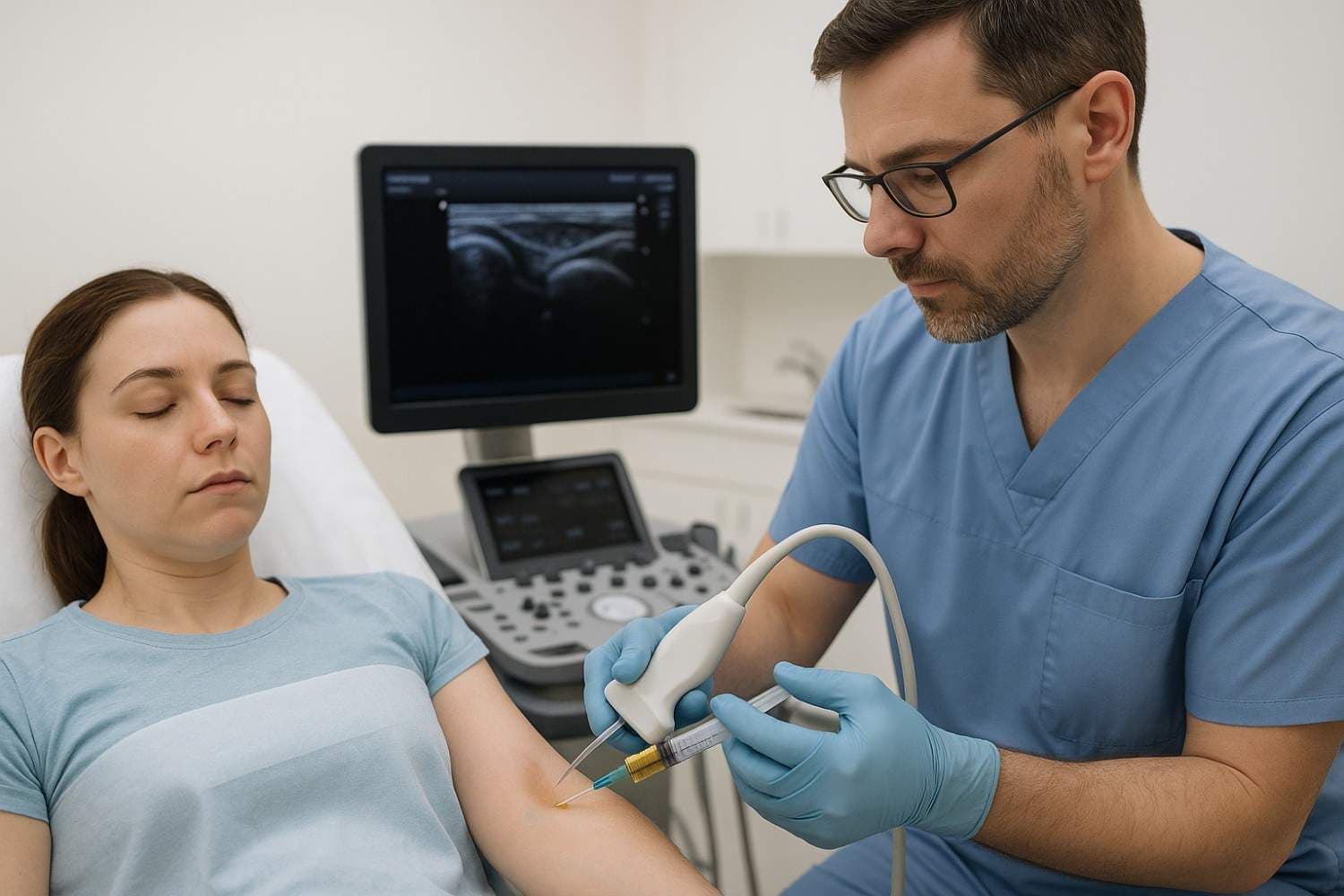
Using ultrasound or fluoroscopic guidance, the specialist targets the PRP precisely to the injured tissue—such as a torn rotator cuff tendon, degenerated knee cartilage, achilles tendon, or facet joint in the spine. Imaging ensures accurate needle placement and optimal PRP delivery. The entire injection session typically lasts 20–30 minutes. The precision of these platelet rich plasma for pain Beaumont injections is key to their effectiveness.
04
4. Post-Procedure Care
After injection, patients rest the treated area for 24–48 hours, avoiding strenuous activity. Mild soreness or swelling may occur, reflecting the inflammatory phase of healing. A gradual rehabilitation protocol—with prescribed stretches and strengthening exercises—commences 1–2 weeks post-injection. Follow-up visits assess pain reduction and functional gains.

Conditions Treated with PRP in Beaumont
PRP therapy is increasingly utilized for a variety of musculoskeletal and spinal conditions due to its regenerative properties. Common indications for PRP therapy pain management Beaumont TX include:
- Tendinopathies: Lateral epicondylitis (tennis elbow), patellar tendinopathy (jumper’s knee), Achilles tendinitis, and rotator cuff tendinopathy respond favorably to PRP’s tenocyte proliferation and collagen synthesis.
- Osteoarthritis: Intra-articular PRP injections into the knee, shoulder, or hip reduce pain and improve range of motion by regenerating cartilage-like tissue and modulating synovial inflammation. Learn about specific knee pain treatment or care for shoulder injuries.
- Soft Tissue Injuries: Chronic ligament sprains (e.g., ankle, MCL) and muscle strains benefit from enhanced extracellular matrix remodeling and angiogenesis. Learn more about Soft Tissue Injuries.
- Spine and Joint Pain: PRP injections into degenerative facet joints or sacroiliac joints offer an alternative to steroid-based spinal injections, supporting advanced injection therapies.
Expected Outcomes and Timeline
Patients typically report initial pain reduction within 2–6 weeks as inflammatory modulation and early tissue repair take effect. Functional improvements continue over 3–6 months, with some individuals achieving sustained relief beyond a year. While a single PRP injection can yield benefits, many protocols recommend 2–3 sessions spaced 4–6 weeks apart for optimal results, especially in severe degenerative conditions.
Who Is a Candidate for PRP Therapy?
Ideal Candidates:
- Chronic pain refractory to NSAIDs, physical therapy, or corticosteroid injections.
- Desire to avoid surgery or prolonged medication use.
- Good general health without active systemic infections.
Contraindications:
- Platelet dysfunction syndromes or severe anemia.
- Active malignancy or metastasis.
- Pregnancy or breastfeeding.
A comprehensive evaluation by a pain management specialist Beaumont TX ensures PRP suitability and personalized care planning.
Benefits and Considerations
Benefits:
- Autologous Safety: Uses the patient’s own blood, eliminating risks of allergic reactions or disease transmission.
- Regenerative Potential: Addresses tissue pathology rather than masking symptoms.
- Minimal Downtime: Outpatient procedure with rapid recovery compared to surgical alternatives.
- Reduced Medication Use: Can decrease reliance on NSAIDs or opioids.
Considerations:
- Out-of-Pocket Expense: PRP often falls outside insurance coverage.
- Variable Responses: Individual healing capacity and injury chronicity influence outcomes.
- Multiple Sessions: Optimal results may require a series of injections.
PRP therapy is a significant component of advanced injection therapies available in modern interventional pain management.
Integration into Comprehensive Pain Management
PRP therapy functions best within a multidisciplinary framework that includes:
- Physical Therapy: Strengthening and flexibility to support regenerated tissues.
- Chiropractic Care: Spinal alignment to reduce mechanical stress.
- Mind-Body Practices: Stress reduction through meditation or yoga.
- Lifestyle Modifications: Anti-inflammatory nutrition and ergonomic adjustments.
This holistic model ensures that PRP-induced tissue repair translates into improved function and long-term pain control.
Conclusion
PRP therapy pain management Beaumont TX represents a revolutionary, regenerative strategy for chronic pain in Beaumont, TX—leveraging the body’s own growth factors to heal tendons, ligaments, and joint tissues. By integrating PRP into comprehensive pain management solutions, patients can achieve lasting relief, enhanced mobility, and reduced dependence on medications or surgery. If you’re seeking an innovative, minimally invasive path to healing, contact our Beaumont pain management experts for a personalized PRP evaluation and embark on your journey to restored wellness.
Medically reviewed by
Verified
DS
Deepak Sharma
DC
Owner & Doctor of Chiropractic
Deepak Sharma, DC is a licensed Doctor of Chiropractic and the owner of Car Accident Cares in Beaumont, TX. He reviews the clinical content published across the site and works with a multidisciplinary network of MDs, chiropractors, imaging centers, and pain-management specialists focused on accurate diagnosis, evidence-based treatment, and complete recovery for motor-vehicle-accident victims across Beaumont and Houston.