Pediatric Chiropractic Care: Is It Right for Your Child?
DS
By Deepak Sharma, DC
Medically reviewed
Owner & Doctor of Chiropractic · 5 min read · Published · Updated · Last reviewed

Introduction
As a parent in Beaumont, TX, you want the gentlest, most effective healthcare for your child. Chiropractic care for children is growing in popularity: a survey of nearly 22,000 Australian parents found 99.7% reporting positive outcomes after pediatric chiropractic treatment. Yet questions about safety, techniques, and benefits remain common. This guide offers an evidence-based overview of pediatric chiropractic care Beaumont TX, helping you decide if a chiropractor for children Beaumont aligns with your family’s wellness goals.

Understanding Pediatric Chiropractic Care
What Makes Pediatric Chiropractic Different
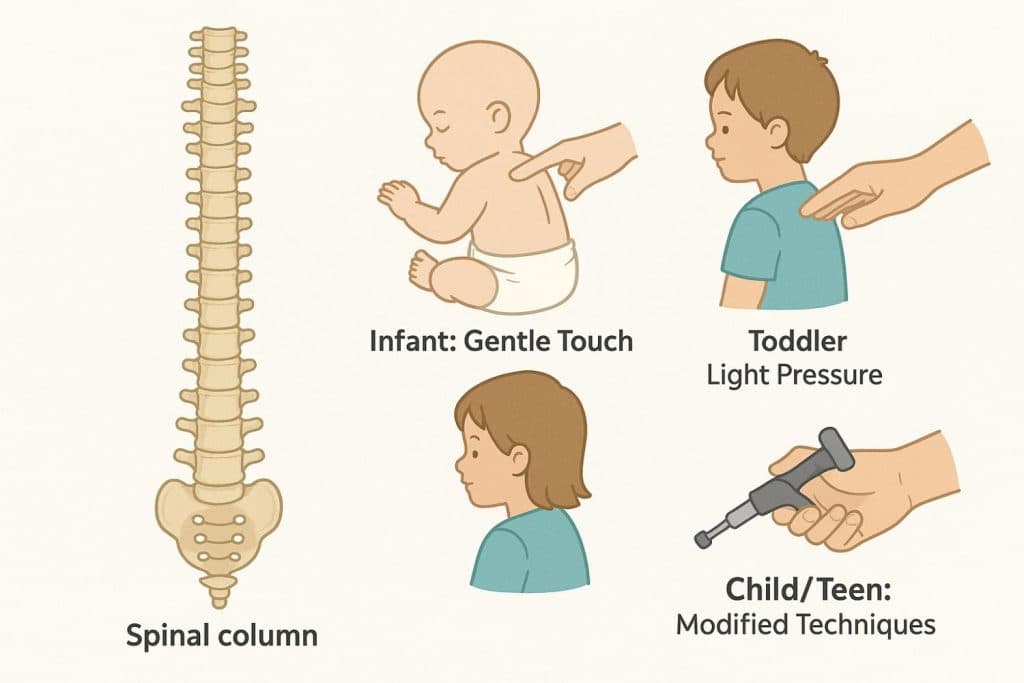
Children’s spines and nervous systems differ significantly from adults. Until ages 14–18, growth plates remain cartilaginous, joints are more flexible, and the nervous system rapidly matures. Pediatric chiropractors receive specialized training to deliver ultra-gentle care—fingertip pressures akin to testing fruit ripeness—rather than the deeper thrusts typical in adults. Techniques are adjusted by age:
- Infants (0–12 months): Very light, sustained touches to address birth-related misalignments or feeding issues.
- Toddlers (1–4 years): Gentle hand placements following falls or developmental leaps.
- Children/Teens (5–18 years): Low-force, instrument-assisted adjustments e.g., Activator tailored to growth spurts and activity demands.
This precision ensures safety, comfort, and developmental appropriateness.
Evidence-Based Benefits
1. Supporting Natural Development
Proper spinal alignment fosters optimal nervous system communication, Pediatric chiropractic care crucial for milestones like rolling, crawling, and walking. Correcting minor misalignments early establishes a solid foundation for motor skills, posture, and overall growth.
2. Relief for Common Childhood Conditions
- Colic & Digestive Issues: Adjustments alleviate nerve interference affecting gut function, with parents reporting decreased crying and improved feeding after care.
- Ear Infections: Enhanced Eustachian tube drainage and reduced inflammation can lower infection incidence and discomfort.
- Sleep & Immune Function: Improved nervous system balance supports better sleep patterns and may strengthen immune responses, reducing missed school days.
3. Behavioral & Postural Support
Spinal health influences neurological regulation. Families often observe reduced ADHD symptoms, anxiety, and enhanced focus following care. For tech-savvy children, posture correction prevents early onset of “text neck” and related musculoskeletal concerns.
Safety and Training
Pediatric chiropractic care Beaumont TX is exceptionally safe when provided by qualified practitioners:
- Minimal Risks: Temporary soreness or fussiness resolves within 24–48 hours.
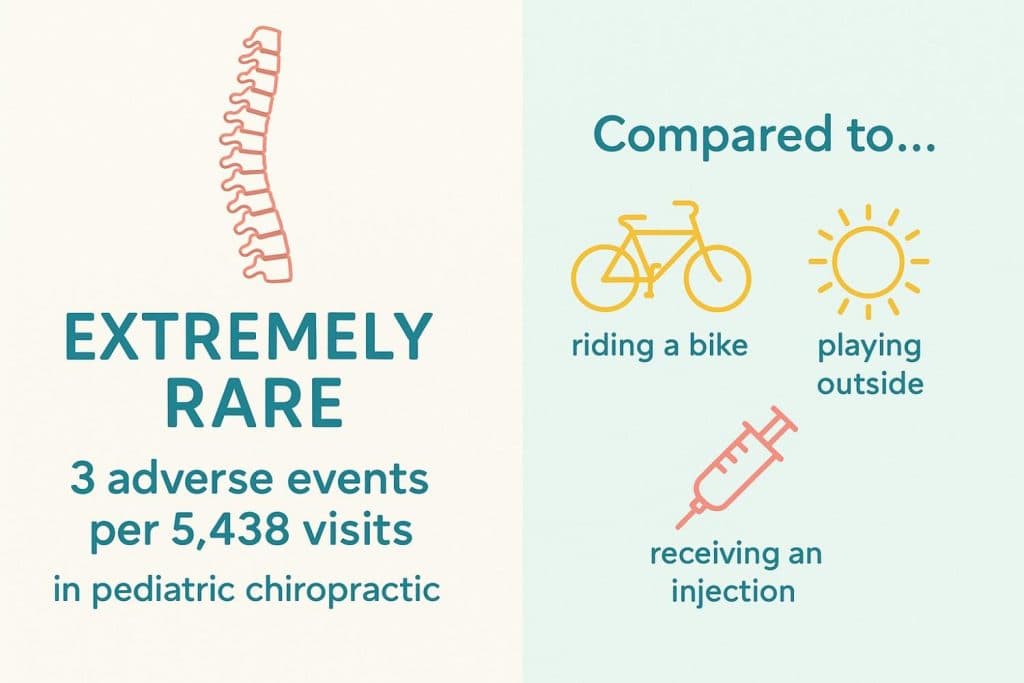
- Rare Adverse Events: Just 3 events per 5,438 visits in infants; no pediatric complications across 960,140 visits in one study.
- Specialized Credentials: Certified Chiropractic Pediatricians (CCP) undergo advanced pediatric training. Chiropractic also ranks among healthcare professions with the lowest malpractice rates, reflecting its safety standards.
When to Consider Pediatric Chiropractic Care
Pediatric chiropractic is appropriate for:
- Infants with feeding difficulties, colic, or torticollis
- Toddlers or children with frequent ear infections or respiratory issues
- Young athletes needing injury prevention and performance support
- Teens experiencing back pain, posture challenges, or growth-related discomfort
- Families seeking preventive “wellness” care during growth spurts
Red Flags & Contraindications: Seek immediate medical evaluation for high fever in young infants, respiratory distress, seizures, or signs of serious illness before chiropractic care. Qualified chiropractors will refer to medical doctors as needed.
What to Expect at the First Visit
Your initial pediatric chiropractic appointment includes:
- Comprehensive History: Discussion of developmental milestones, symptoms, and past health issues.
Gentle Assessment: Playful, age-appropriate physical exam to identify areas of tension or misalignment.
Parental Involvement: Clear explanation of findings and collaborative treatment planning.
Comfort-Focused Techniques: Demonstration of ultra-gentle adjustments and comfort measures.
Follow-Up Schedule: Customized frequency recommendation to achieve and maintain results.
Integrating Care and Maintenance
At our clinic, pediatric chiropractic care Beaumont TX is part of a family-centered wellness approach:
- Child-Friendly Environment: Bright, welcoming spaces with non-distracting decor and age-appropriate equipment.
- Collaborative Care: Coordination with pediatricians, therapists, and specialists ensures comprehensive support.
- Parental Education: Guidance on home exercises, posture tips, and developmental milestone tracking.
- Maintenance Plans: As children grow, periodic check-ups (quarterly or as needed) help preserve spinal health and prevent future issues.
Making the Right Decision
Questions to Ask Your Chiropractor:
- Which pediatric certifications and training do you hold?
- What techniques will you use for my child’s age and condition?
- What is the anticipated visit frequency and duration?
- How do you involve parents in the treatment process?
- Do you communicate and coordinate with my child’s pediatrician?
Selecting a practitioner with specialized pediatric expertise ensures your child’s safety and comfort.
Conclusion
Pediatric chiropractic care in Beaumont, TX offers a safe, gentle, and evidence-based avenue to support your child’s growth, alleviate common pediatric concerns, and foster long-term wellness. With 99.7% of parents reporting positive outcomes and an outstanding safety record, it stands as a valuable complement to conventional pediatric healthcare. If you’re exploring chiropractor for children Beaumont, schedule a consultation to determine whether pediatric chiropractic care aligns with your family’s health goals.

Medically reviewed by
Verified
DS
Deepak Sharma
DC
Owner & Doctor of Chiropractic
Deepak Sharma, DC is a licensed Doctor of Chiropractic and the owner of Car Accident Cares in Beaumont, TX. He reviews the clinical content published across the site and works with a multidisciplinary network of MDs, chiropractors, imaging centers, and pain-management specialists focused on accurate diagnosis, evidence-based treatment, and complete recovery for motor-vehicle-accident victims across Beaumont and Houston.