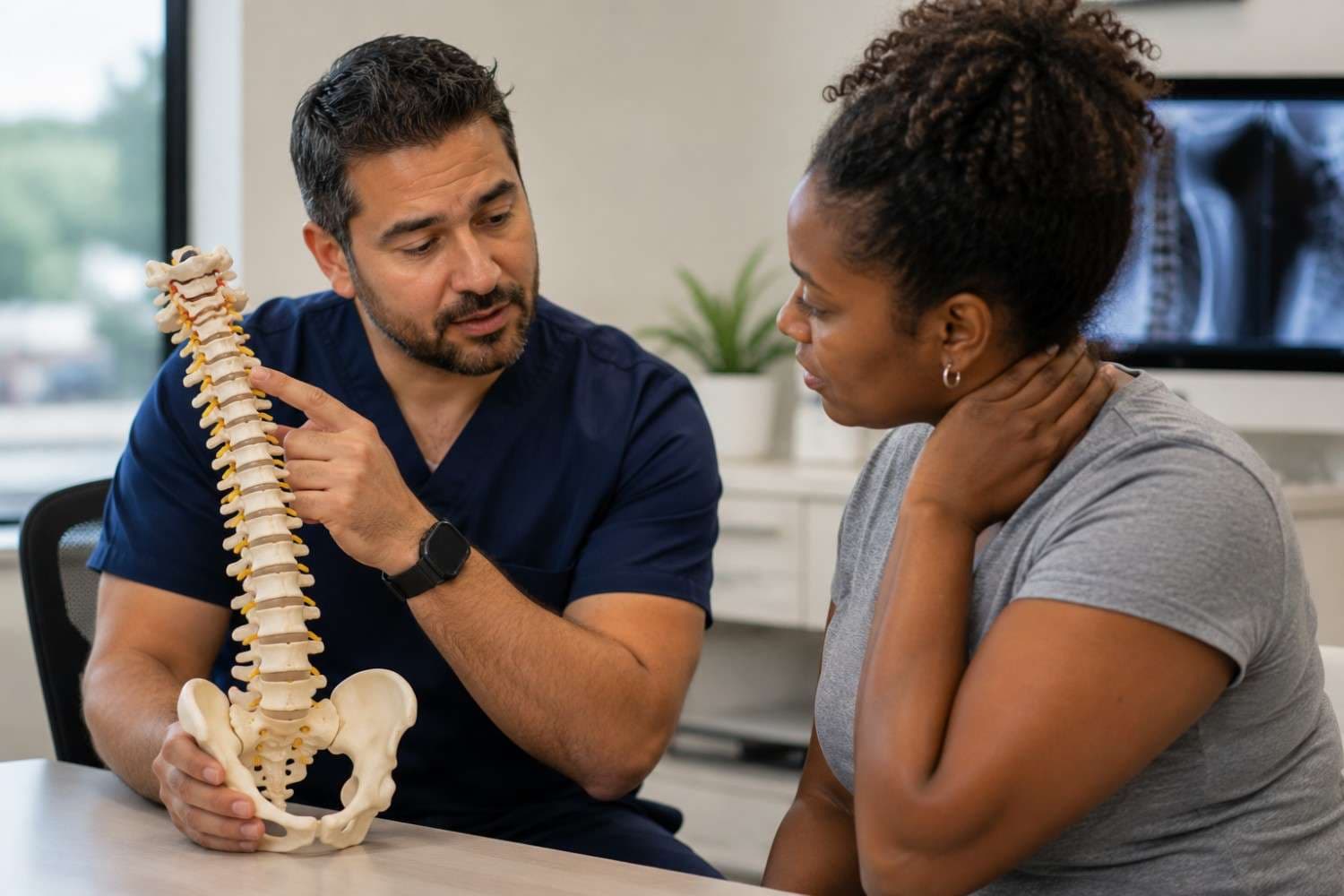
Pain Management for Headaches and Migraines: Comprehensive Relief in Beaumont, TX
DS
By Deepak Sharma, DC
Medically reviewed
Owner & Doctor of Chiropractic · 7 min read · Published · Updated · Last reviewed

Headaches and migraines are more than just a passing inconvenience; they can be debilitating conditions that severely impact your daily life, your ability to work, and your overall well-being. This is especially true for accident victims whose symptoms may be triggered or exacerbated by the trauma of a car crash. In fact, many individuals in Beaumont, TX, struggle with chronic or severe head pain, often without realizing the full spectrum of effective treatment options available.
You do not have to endure life-altering pain. This comprehensive guide will walk you through the various, evidence-based pain management for headaches Beaumont TX solutions, ranging from medication and advanced injections to therapeutic approaches. We focus on a multi-modal strategy designed to treat the root cause and provide lasting relief, offering a different perspective than a chiropractic-only approach. By the end of this article, you will be empowered with the knowledge to seek a personalized and effective path to pain relief for migraines.
Understanding Headaches and Migraines: Key Differences
Effective pain management begins with an accurate diagnosis. Headaches and migraines are distinct conditions, and understanding their differences is critical for selecting the right treatment.
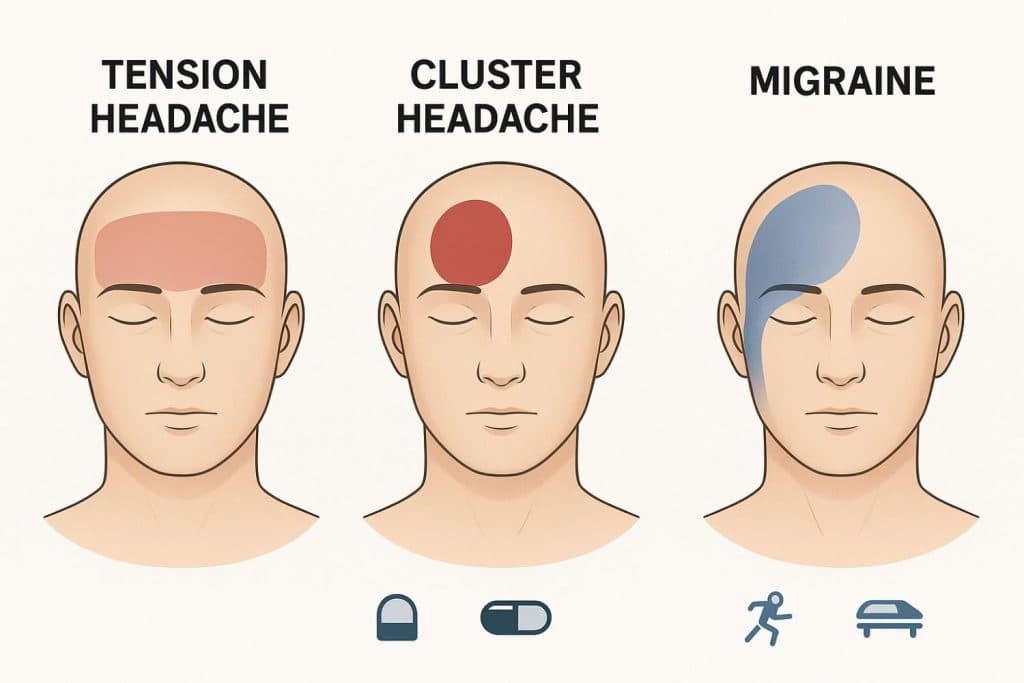
- Tension Headaches: The most common type, often described as a tight band around the head. They are generally mild to moderate and caused by stress or muscle tension.
- Cluster Headaches: Severe, recurring headaches that occur in cycles or “clusters.” The pain is sharp, piercing, and often focused around one eye.
- Migraines: A complex neurological disorder characterized by moderate to severe throbbing pain, often on one side of the head. Migraines are frequently accompanied by other symptoms like nausea, vomiting, sensitivity to light (photophobia) and sound (phonophobia), and sometimes a visual aura.
Accident-related trauma, such as whiplash or a concussion, can easily trigger or worsen chronic daily headaches and migraines. A sudden jolt can lead to muscle tension in the neck and shoulders, nerve irritation, or changes in brain chemistry, all contributing to head pain. Knowing your specific type of headache or the factors triggering your chronic migraine treatment Beaumont needs is the first step toward effective relief.
Pain Management Approaches for Headaches and Migraines
When over-the-counter methods fail to provide adequate relief, it is time to consider more comprehensive, evidence-based pain management strategies. A personalized treatment plan often combines three main modalities to treat both acute pain flares and the underlying chronic condition:
- Medication Management
- Injection-Based Treatments
- Therapeutic and Non-Pharmaceutical Approaches
Medication Management for Headache Pain Relief
Medications play a significant role in both stopping a headache once it starts acute treatment and reducing the frequency and severity of headaches over time preventive treatment.
- Acute Relief: For immediate pain, options include over-the-counter NSAIDs like ibuprofen or naproxen and acetaminophen. For migraines, specific prescription medications such as triptans are highly effective in reversing the migraine process.
- Preventive Medications: For individuals with chronic migraines or very frequent headaches, daily preventive medications may be prescribed. These can include certain anti-depressants, anti-seizure drugs, or blood pressure medications.
⚠️ IMPORTANT MEDICAL DISCLAIMER: Medication recommendations, including dosage and combination therapy, should only be made by a qualified healthcare provider after a thorough medical evaluation. Do not start, stop, or change any medication without consulting your doctor. Our goal is educational; your physician will determine the best migraine treatment for you.

Injection-Based Treatments for Chronic Headaches
For patients who do not respond well to standard oral medications or who suffer from severe, chronic pain, injection therapies offer a targeted, powerful pain management solution. The headache clinic Beaumont approach often includes:
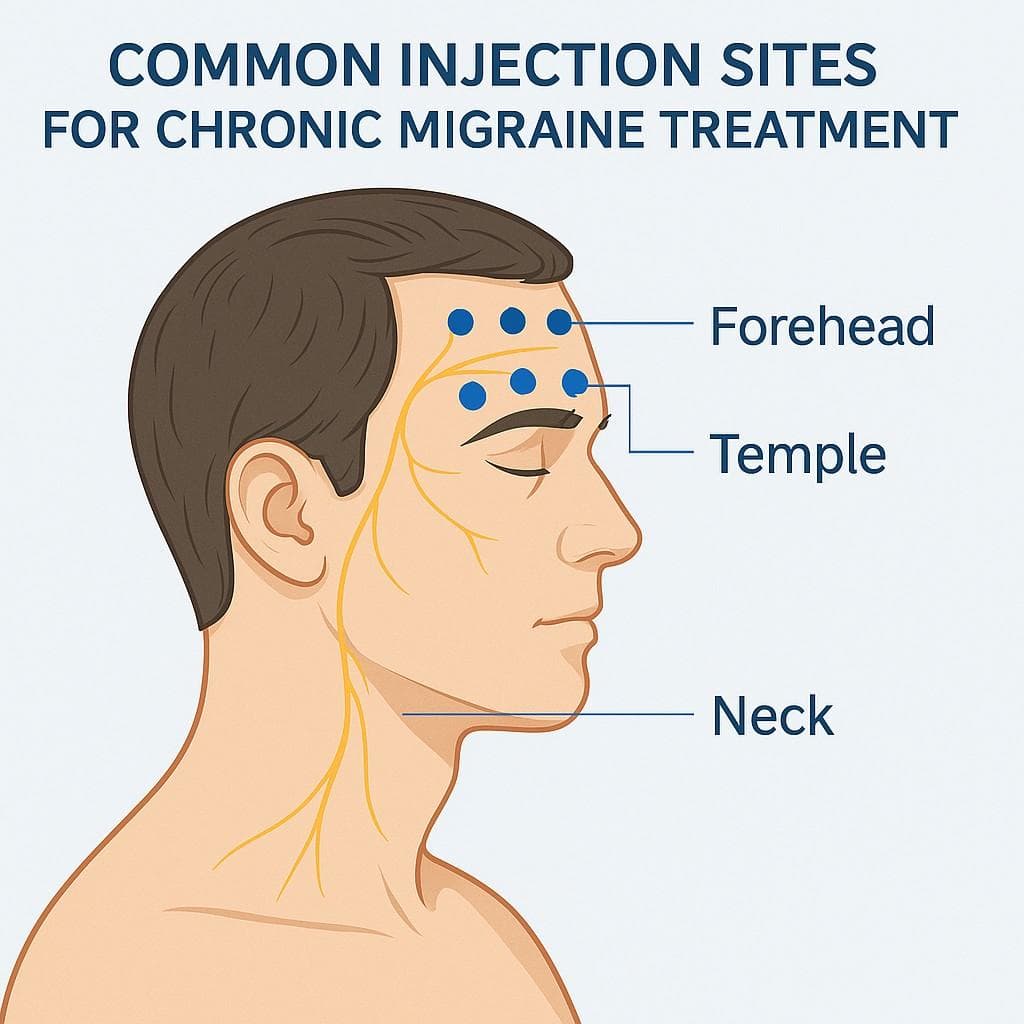
- Botox Injections for Migraines: FDA-approved for adults with chronic migraines 15 or more headache days per month, Botox is injected into specific muscles in the head and neck. It works by blocking chemicals that transmit pain signals to the brain.
- Trigger Point Injections: Used to treat tension headaches and migraines where muscle tightness is a key contributor. The injection targets painful knots or ‘trigger points’ in muscles of the neck and shoulders with a local anesthetic and sometimes a corticosteroid, providing quick and effective relief.
- Nerve Blocks: Injections that temporarily block pain signals from specific nerves, often used for occipital neuralgia or severe, localized pain.
These treatments provide long-lasting relief and are key components of a comprehensive pain management plan. Injection therapies must be administered by a qualified professional experienced in headache injection treatment.
Therapeutic and Non-Pharmaceutical Approaches
Therapies that do not involve medications or injections are essential complements to a successful pain management strategy, often focusing on correcting underlying physical issues and lifestyle factors.
- Physical Therapy: Can address musculoskeletal factors contributing to head pain, such as poor posture, weak neck muscles, or stiffness related to a past injury. It can significantly reduce the frequency and severity of cervicogenic (neck-related) headaches.
- Therapeutic Massage & Acupuncture: Both modalities are used to relieve muscle tension, improve blood flow, and release natural pain-relieving chemicals. They are effective components of therapeutic pain relief.
- Lifestyle Modifications: Simple changes can have a profound impact. This includes stress management techniques, improving sleep hygiene, maintaining consistent hydration, and diligently avoiding known headache triggers e.g., certain foods, scents, or lighting.
These multi-modal headache therapy options empower patients to manage their condition proactively alongside clinical treatments.
Creating a Personalized Pain Management Plan for Headaches
The most effective treatment is never a one-size-fits-all solution. Finding the right headache pain management solutions requires a thorough, individualized approach.
A professional pain management specialist will:
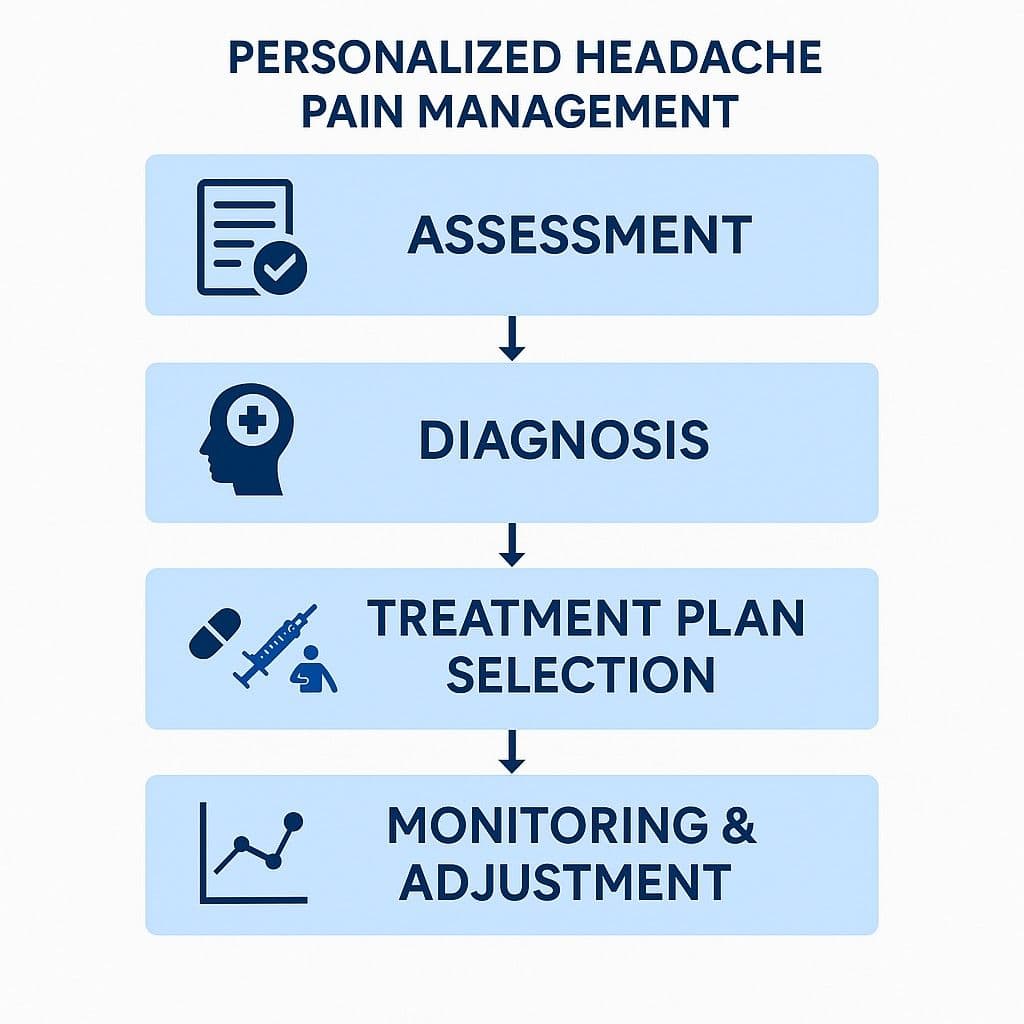
- Assess and Diagnose: Conduct a detailed review of your medical history, headache frequency, severity, and triggers. For accident victims, specialized assessment is crucial to differentiate post-concussion headaches from tension or migraine types.
- Combine Modalities: Recommend a plan that often utilizes a combination of treatments—for example, a preventive medication, paired with periodic Botox injections, and ongoing physical therapy.
- Monitor and Adjust: Recognize that headache patterns can change. Ongoing communication is essential to track your response to treatment and make necessary adjustments to your pain management plan.
When to Seek Professional Pain Management Care
While occasional, mild headaches can be treated at home, certain symptoms demand professional evaluation at a specialized headache clinic :
- Sudden, severe headaches “thunderclap” headaches.
- Headaches following a recent injury or car accident.
- A noticeable change in your typical headache pattern or severity.
- Chronic migraines 15 or more headache days per month that severely affect your work and social life.
- Headaches accompanied by fever, neck stiffness, confusion, or visual changes.
A professional headache evaluation will provide the definitive diagnosis and access to advanced pain management care, ensuring you receive safe, appropriate, and effective treatment.
Conclusion
Chronic headaches and migraines, whether stemming from a recent injury or an ongoing condition, are manageable. Residents of Beaumont, TX, have access to a full spectrum of advanced pain management for headaches Beaumont TX options, including targeted medication protocols, cutting-edge injection therapies like Botox and nerve blocks, and essential therapeutic supports.
The goal is to move beyond temporary relief and towards a customized strategy that significantly reduces your pain and restores your quality of life. Don’t suffer through debilitating pain another day.
Get professional headache pain management help in Beaumont, TX, and start your journey toward lasting relief.
Medically reviewed by
Verified
DS
Deepak Sharma
DC
Owner & Doctor of Chiropractic
Deepak Sharma, DC is a licensed Doctor of Chiropractic and the owner of Car Accident Cares in Beaumont, TX. He reviews the clinical content published across the site and works with a multidisciplinary network of MDs, chiropractors, imaging centers, and pain-management specialists focused on accurate diagnosis, evidence-based treatment, and complete recovery for motor-vehicle-accident victims across Beaumont and Houston.