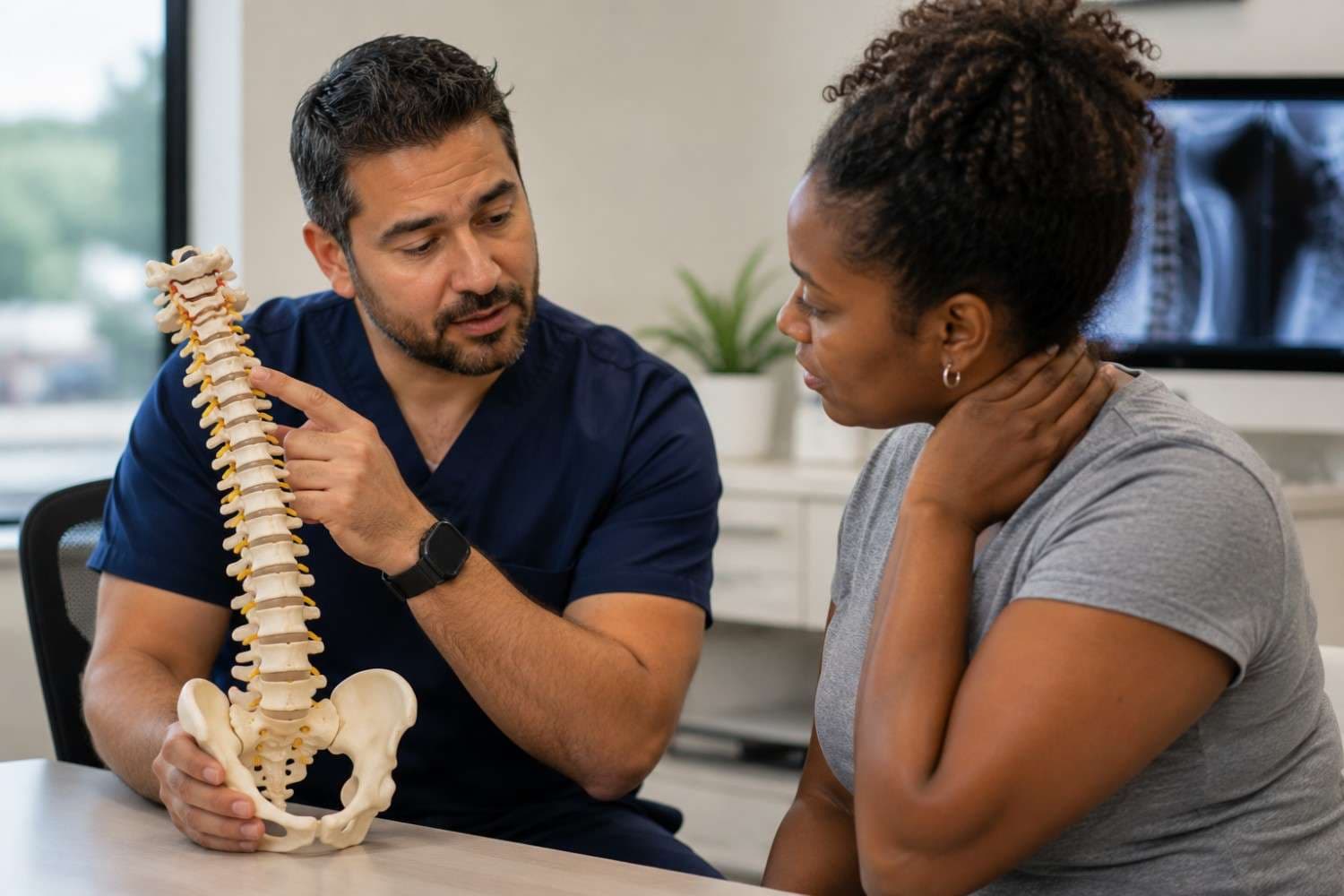
How Chiropractic Helps Back Pain Sufferers in Beaumont
DS
By Deepak Sharma, DC
Medically reviewed
Owner & Doctor of Chiropractic · 26 min read · Published · Updated · Last reviewed

Back pain is a pervasive issue affecting millions of people, significantly impacting their quality of life, ability to work, and overall well-being. In Beaumont, TX, residents are no stranger to the discomfort and limitations that back pain can impose. Whether stemming from daily activities, workplace incidents, or the unfortunately common car accidents in the area, finding effective and lasting relief is a top priority for many. While various treatment options exist, chiropractic care stands out as a prominent, non-invasive approach focusing on the body’s natural ability to heal. This comprehensive guide explores how chiropractic for back pain Beaumont offers a powerful solution for those seeking to alleviate discomfort, restore function, and improve their lives without relying solely on medication or surgery.
We will delve into the different types and causes of back pain commonly seen in Beaumont, understand the thorough assessment process undertaken by chiropractors, explore the specific adjustment techniques and complementary therapies used, highlight the numerous benefits of this approach, and guide you on what to expect and how to choose the right chiropractic professional in our community. If you’re struggling with back pain, understanding the role of chiropractic care in Beaumont could be your first step towards a pain-free future.
Understanding Back Pain: Types and Causes
Back pain is not a single condition but rather a symptom that can arise from a multitude of underlying issues affecting the complex structure of the spine, muscles, nerves, and other tissues. Recognizing the type and cause of your back pain is crucial for effective treatment.
Common Types of Back Pain
Back pain can be broadly categorized by its duration and location:
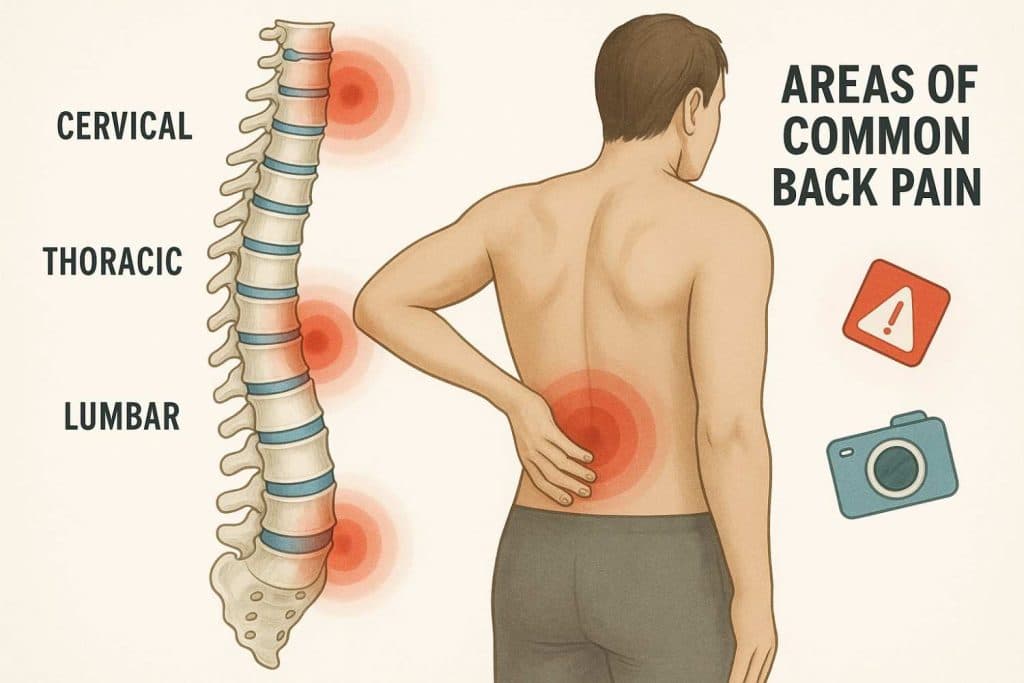
- Acute vs. Chronic Back Pain:Acute back pain is typically sudden and intense, often lasting from a few days to a few weeks. It’s usually the result of a specific event, such as lifting something improperly, a fall, or a sports injury. While often severe, acute pain usually resolves with appropriate care.Chronic back pain is pain that persists for twelve weeks or longer, even after an initial injury or underlying cause has been treated. Chronic pain can be more complex, sometimes involving ongoing inflammation, nerve sensitivity, or psychological factors. Managing chronic back pain often requires a multi-faceted approach.
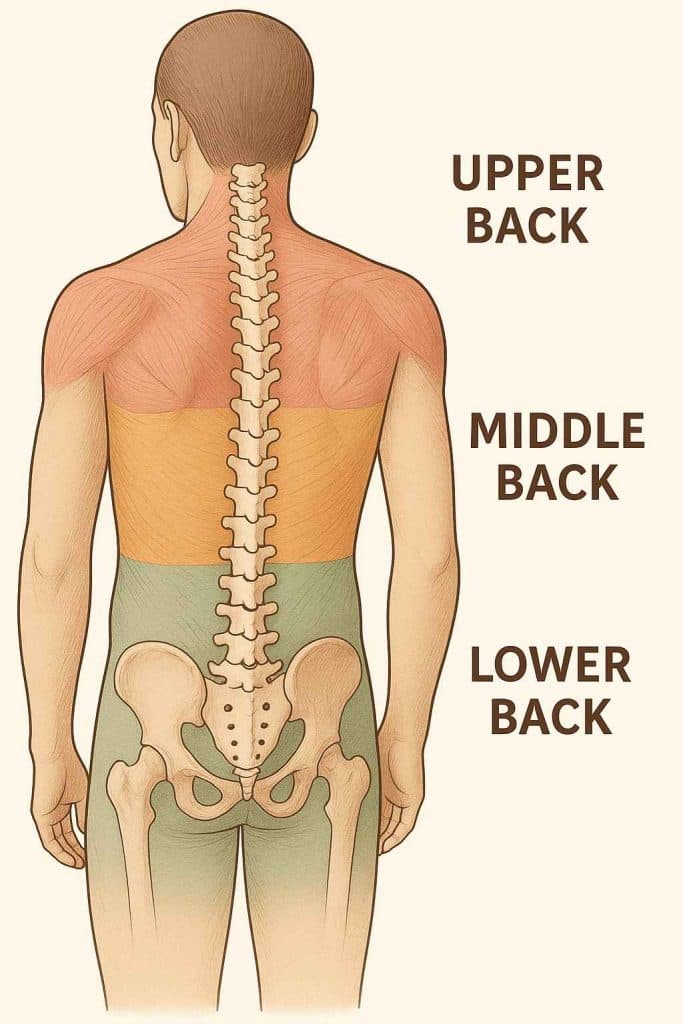
- Upper, Middle, and Lower Back Pain:Lower Back Pain (Lumbar Pain): This is the most common type of back pain. The lower back bears the most weight and is subject to significant stress from lifting, bending, and twisting. Issues like muscle strains, ligament sprains, herniated discs, and degenerative changes are frequent culprits in this region.Middle Back Pain (Thoracic Pain): Less common than lower back pain, pain in the thoracic spine can be caused by muscle irritation, joint dysfunction, or issues with the ribs. It’s sometimes associated with poor posture or strain from activities like prolonged sitting.Upper Back and Neck Pain (Cervical Pain): Pain in the upper back and neck often go hand-in-hand, given the close connection of the cervical and upper thoracic spine. Poor posture, whiplash from car accidents (a common issue in the Beaumont area), or muscle tension from stress or repetitive motions are frequent causes.
- Mechanical, Nerve-Related, and Serious Conditions:Mechanical Pain: This type of pain is related to the movement and positioning of the spine and its supporting structures. Muscle strains, ligament sprains, facet joint dysfunction, and degenerative disc disease are common mechanical issues. This is where chiropractic care is often highly effective.Nerve-Related Pain: This occurs when nerves are compressed, irritated, or damaged. Sciatica, a common form of nerve pain, results from compression of the sciatic nerve, often due to a herniated disc or spinal stenosis, causing pain, numbness, or tingling that radiates down the leg.Serious Conditions: While less common, back pain can sometimes be a symptom of more serious underlying issues like infections, tumors, or inflammatory diseases like ankylosing spondylitis. Chiropractors are trained to identify red flags that may indicate such conditions and facilitate appropriate referrals.
Understanding these distinctions helps guide the diagnostic and treatment process. For a more detailed look at the variety of back pain issues addressed by chiropractic care, you can explore the types of back pain we treat.
Causes of Back Pain in Beaumont
While general causes of back pain are universal, certain factors can be particularly relevant to the Beaumont community:
- Poor Posture: Sedentary jobs, prolonged sitting, and poor ergonomics, common in various industries present in Beaumont, can strain the spine and surrounding muscles over time, leading to chronic pain.
- Injuries: Accidents are a significant source of back pain. Car accidents, unfortunately prevalent in the Beaumont area, often result in whiplash and other spinal injuries. Workplace injuries, falls, and sports-related incidents are also common causes. If you’ve experienced a soft tissue injury, a herniated disc, or whiplash neck pain from an accident, back pain is a frequent symptom that chiropractic care can address.
- Herniated or Bulging Discs: The intervertebral discs can bulge or rupture, putting pressure on nearby nerves and causing significant pain, numbness, or weakness. This can happen due to sudden injury or gradual degeneration. Our page on herniated disc doctor provides more specific information on this condition.
- Arthritis: Osteoarthritis, the degeneration of joint cartilage, can affect the spine’s facet joints, leading to pain and stiffness, particularly in the lower back and neck.
- Lifestyle Factors: Obesity puts extra strain on the spine. Lack of exercise weakens the muscles that support the back. Smoking can impair blood flow to spinal tissues, hindering healing. Stress can lead to muscle tension and pain. These lifestyle factors play a significant role in the prevalence and persistence of back pain among Beaumont residents.
When to Seek Chiropractic Care
Knowing when to seek professional help is essential. While minor backaches might resolve with rest and self-care, certain symptoms warrant a visit to a chiropractor or other healthcare professional :
- Persistent pain that doesn’t improve after a few days.
- Pain that is severe or worsens over time.
- Pain that radiates down one or both legs (sciatica).
- Numbness, tingling, or weakness in the legs or feet.
- Pain that interferes with daily activities, sleep, or work.
- Pain that began after an injury, such as a car accident or fall.
Chiropractors are highly trained to assess your condition and determine if chiropractic care is appropriate for you. They can also identify ‘red flags’ – symptoms that may indicate a more serious underlying medical condition requiring immediate medical attention or referral to another specialist, such as unexplained weight loss, fever, loss of bowel or bladder control, or severe pain accompanied by weakness or instability.
Chiropractic Assessment and Diagnosis
A thorough assessment is the cornerstone of effective chiropractic care for back pain. A skilled chiropractor in Beaumont will take the time to understand your unique situation to develop a personalized treatment plan.
Initial Consultation and History
Your first visit to a chiropractor for back pain will involve a detailed consultation. This is a crucial step where the chiropractor gathers information about:
- Your Symptoms: You’ll be asked to describe the location, intensity, character (e.g., sharp, dull, aching), duration, and frequency of your back pain. You’ll also discuss what makes the pain better or worse.
- Medical History: This includes past injuries, surgeries, illnesses, medications you’re taking, and any pre-existing conditions. This helps the chiropractor understand your overall health picture and identify any factors that might be contributing to your pain or influencing treatment options.
- Lifestyle and Occupational History: Questions about your daily activities, work demands, hobbies, exercise habits, stress levels, and posture are important for identifying potential causes and contributing factors to your back pain. For residents of Beaumont, this might include specifics about jobs involving physical labor, prolonged sitting, or driving.
This initial discussion helps the chiropractor form a preliminary understanding of your condition and guides the subsequent physical examination.
Physical Examination
Following the history, the chiropractor will perform a physical examination to assess your spine and overall physical condition. This typically includes:
- Observation: The chiropractor will observe your posture, gait (how you walk), and how you move.
- Range of Motion: You’ll be asked to perform specific movements (bending, twisting, extending) to assess the flexibility and limitations of your spine and surrounding joints.
- Palpation: The chiropractor will use their hands to feel your spine, muscles, and surrounding tissues to identify areas of tenderness, muscle tightness, swelling, or joint misalignment (subluxation). This physical assessment is a key part of a chiropractor back adjustment.
- Neurological Tests: These tests assess the function of your nerves, checking for reflexes, muscle strength, and sensation. This helps determine if nerve compression or damage is contributing to your pain, such as in cases of sciatica.
- Orthopedic Tests: Specific tests may be performed to evaluate the health and function of your joints, ligaments, and muscles in the back and surrounding areas.

Diagnostic Imaging
In some cases, based on your history and physical examination findings, the chiropractor may recommend diagnostic imaging to get a clearer picture of the underlying structures.
- X-rays: These can reveal the alignment of the spine, the presence of arthritis, bone spurs, or fractures. You can learn more about X-ray services in Beaumont, TX for diagnostic purposes.
- MRI (Magnetic Resonance Imaging): MRI provides detailed images of soft tissues like discs, nerves, and ligaments, and is often used to diagnose herniated discs, spinal stenosis, or nerve root compression. We offer information on affordable MRI diagnostic imaging service in Beaumont.
- CT (Computed Tomography) Scan: CT scans provide cross-sectional images of the spine and can be useful for evaluating bone structure and certain types of injuries. Find out more about best affordable CT scans in Beaumont, TX.
These imaging studies help confirm a diagnosis and rule out more serious conditions. Understanding the findings from your assessment and diagnosis is a key part of developing an effective treatment plan. Learn more about how chiropractors approach diagnosing back pain on our dedicated page.
Chiropractic Adjustment Techniques for Back Pain
Chiropractic care for back pain primarily revolves around spinal adjustments, also known as spinal manipulation. This is a highly skilled technique aimed at restoring proper motion and alignment to spinal joints that have become restricted or misaligned.
Spinal Adjustments
The core principle behind spinal adjustment is that restricted movement or misalignment in the spine often referred to as a subluxation by chiropractors can irritate nerves, cause muscle tension, and lead to pain and dysfunction. Spinal manipulation involves applying a controlled, sudden force to a specific joint with the goal of restoring its normal range of motion and function. This process is often referred to as a chiropractor back adjustment.
- How Realignment Relieves Nerve Pressure and Restores Function: When a spinal joint is not moving properly, it can put pressure on nearby nerves or cause inflammation. The adjustment helps to free up the restricted joint, which can reduce nerve irritation, decrease muscle spasm, and alleviate pain. By restoring proper spinal mechanics, the body is better able to function and heal.
Common Techniques Used
Chiropractors are trained in a variety of adjustment techniques, and the specific approach used will depend on the patient’s condition, preference, and the chiropractor’s expertise. Some common techniques include:
- Diversified Technique: This is one of the most widely used techniques, involving a short, quick thrust over the restricted joint. It often results in a “popping” sound, which is the release of gas within the joint.
- Gonstead Technique: This method uses specific analytical procedures including X-rays and palpation to identify precise points of misalignment before performing targeted adjustments, often with the patient in specific positions.
- Activator Methods: This is a gentler, low-force technique that uses a small, handheld instrument called an Activator to deliver a precise, controlled impulse to the spine. It’s often preferred for patients who are sensitive to manual adjustments or have certain medical conditions.
- Drop Table Technique (Thompson Technique): This technique utilizes a specialized table with sections that drop slightly when the adjustment is delivered. This allows gravity to assist the adjustment and uses less force.
- Myofascial Release: While not strictly an adjustment, this soft tissue technique involves applying sustained pressure to tight or painful areas in muscles myofascial trigger points to relieve tension and pain.
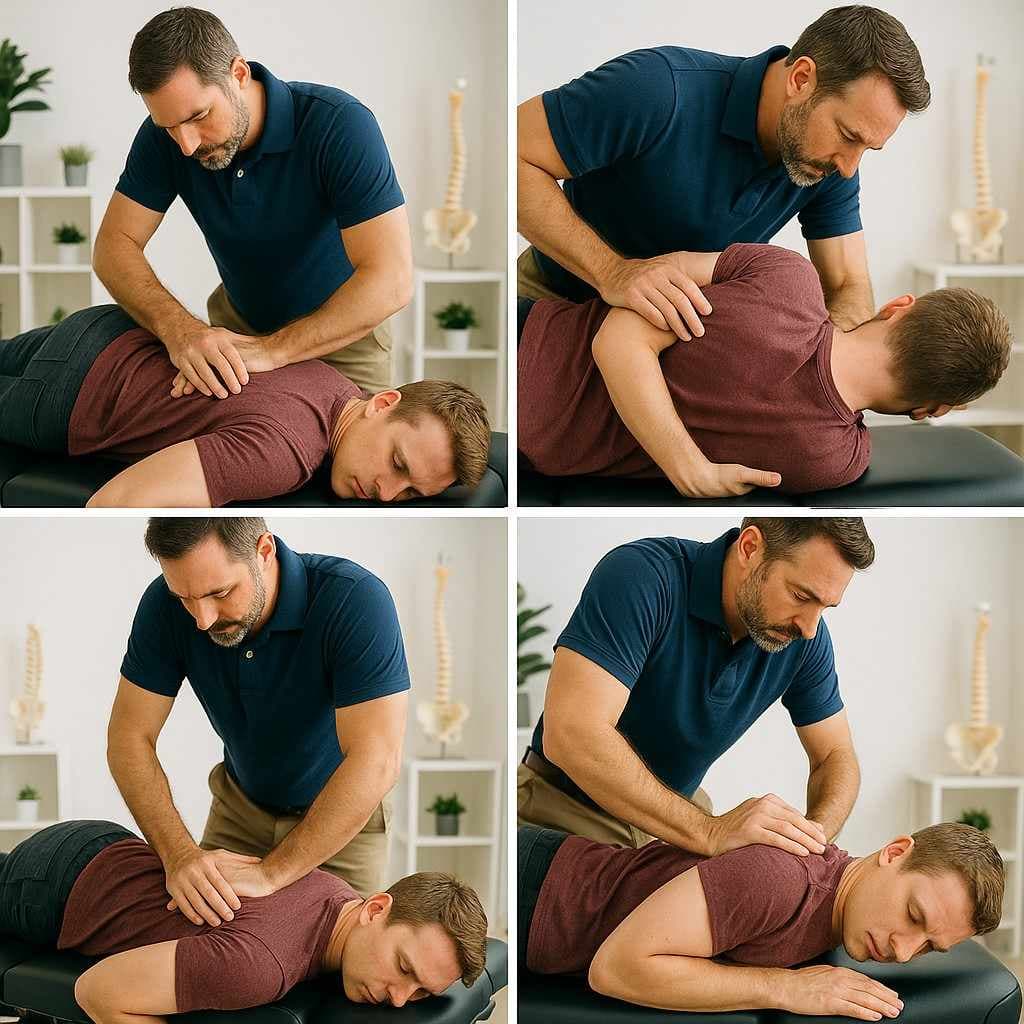
The choice of technique is always tailored to the individual patient and their specific needs. You can learn more about our adjustment techniques on our services page.
Soft Tissue Therapies
Chiropractic care often incorporates soft tissue therapies to complement spinal adjustments. Muscles, ligaments, and tendons play a crucial role in supporting the spine, and tension or dysfunction in these tissues can contribute significantly to back pain.
- Massage Therapy: Therapeutic massage can help relax tight muscles, improve circulation, and reduce inflammation.
- Myofascial Release: This technique focuses on releasing tension in the fascia, the connective tissue that surrounds muscles, which can become tight and restricted.
- Trigger Point Therapy: This involves applying pressure to specific, hypersensitive spots in muscles that can cause pain both locally and in other parts of the body.
Addressing soft tissue issues alongside spinal alignment can lead to more comprehensive and lasting relief from back pain. This is particularly relevant for conditions like soft tissue injuries often associated with car accidents.
Spinal Decompression and Other Modalities
Beyond adjustments and soft tissue work, chiropractors may utilize other therapeutic modalities to address back pain:
- Spinal Decompression: Non-surgical spinal decompression therapy is a gentle, motorized traction that creates negative pressure within the discs. This can help to pull bulging or herniated disc material back into place and take pressure off nerves, offering significant relief for conditions like sciatica or degenerative disc disease. If you are suffering from a herniated disc, decompression might be a key part of your treatment.
- Acupuncture: Some chiropractors are also trained in acupuncture, which involves inserting thin needles into specific points on the body to stimulate energy flow and promote healing and pain relief.
- Electrical Stimulation: This therapy uses electrical currents to stimulate muscles, reduce pain signals, and decrease inflammation.
- Cold Laser Therapy: Also known as low-level laser therapy, this non-invasive treatment uses specific wavelengths of light to penetrate tissues, promoting cellular repair, reducing inflammation, and alleviating pain.
These adjunctive therapies can be valuable tools in a comprehensive chronic back pain treatment plan, addressing different aspects of the condition and enhancing the effects of adjustments.
Personalized Treatment Plans and Integrative Approaches
Effective chiropractic care is never a one-size-fits-all approach. A skilled chiropractor develops a treatment plan that is specifically tailored to your individual needs, condition, and goals. Furthermore, they understand the importance of integrating care with other healthcare providers when necessary.
Tailoring Care to the Individual
Your personalized treatment plan for back pain will be based on the findings from your initial consultation, physical examination, and any diagnostic imaging. It will take into account the type and severity of your pain, your overall health, lifestyle factors, and your specific response to care. A comprehensive plan may include :
- Specific Adjustment Techniques: Using the most appropriate manipulation methods for your condition.
- Frequency and Duration of Visits: Initially, visits may be more frequent to address acute pain and restore function. As your condition improves, the frequency will typically decrease, focusing on stabilizing your progress and preventing recurrence. This is a key aspect of back pain relief Beaumont.
- Soft Tissue Therapies: Incorporating massage, myofascial release, or trigger point therapy as needed to address muscular components of your pain.
- Therapeutic Exercises and Stretches: Providing you with specific exercises and stretches to perform at home to strengthen weak muscles, improve flexibility, and support the adjustments.
- Lifestyle Advice: Offering guidance on posture correction, ergonomics, nutrition, stress management, and strategies for preventing future back pain episodes.
The goal is not just to relieve your immediate pain but to address the underlying causes and empower you to maintain a healthy, pain-free back in the long term. This focus on long-term well-being is key to achieving lasting back pain relief.

Integrating with Other Healthcare Providers
While chiropractic care is highly effective for many types of back pain, chiropractors recognize the importance of collaboration within the healthcare community.
- Referral When Necessary: If your chiropractor identifies ‘red flags’ or suspects a condition that requires medical or surgical intervention (e.g., severe nerve damage, fracture, infection), they will promptly refer you to the appropriate specialist, such as a medical doctor MD consultation in Beaumont, TX, an orthopedic surgeon orthopedic and spine surgeon consultation, or a neurologist.
- Collaboration: Chiropractors often work alongside other healthcare professionals, such as physical therapists, pain management consultants in Beaumont, and primary care physicians, to provide coordinated care, especially for complex or chronic back pain treatment cases. This integrative approach ensures you receive the most comprehensive care for your specific needs. If your pain is acute or severe, knowing where to find an emergency room in Beaumont is also important, but chiropractic care can often be a subsequent step once immediate medical needs are addressed.
This collaborative mindset is a hallmark of responsible chiropractic practice and demonstrates a commitment to your overall health and well-being.
Benefits of Chiropractic for Back Pain in Beaumont
Choosing chiropractic care for your back pain in Beaumont offers a range of significant benefits, focusing on natural healing and restoring function.
Pain Relief and Improved Mobility
One of the most immediate and sought-after benefits of chiropractic adjustments is pain relief. By correcting spinal misalignments and restoring proper joint movement, pressure on nerves and surrounding tissues is reduced, leading to a decrease in pain intensity. This is the core of finding back pain relief Beaumont.
- Evidence-Based Outcomes: Numerous studies and patient experiences demonstrate the effectiveness of chiropractic care in reducing both acute and chronic back pain treatment. Many patients report significant pain reduction after just a few sessions.
- Increased Range of Motion: Spinal restrictions limit your ability to move freely. Adjustments help restore normal joint mechanics, improving flexibility and increasing your range of motion, making daily activities easier and more comfortable.
Non-Invasive and Drug-Free Approach
For those seeking alternatives to medication and surgery, chiropractic care provides a compelling option.
- Avoiding Medication: Chiropractic focuses on addressing the physical source of pain, reducing the need for pain relievers, which can have side effects and the potential for dependence.
- Non-Surgical Alternative: For many types of mechanical back pain, chiropractic care can provide significant relief and help patients avoid or delay the need for invasive surgical procedures. This is a major benefit for those exploring chronic back pain treatment options.
This focus on the body’s natural healing process is a core principle that appeals to many individuals seeking a holistic approach to their health.
Prevention of Recurrence
Beyond providing immediate relief, chiropractic care can play a crucial role in preventing future episodes of back pain (reference26).
- Addressing Root Causes: Instead of just masking symptoms, chiropractors aim to identify and correct the underlying spinal issues contributing to the pain.
- Ongoing Care and Maintenance: For some individuals, periodic maintenance adjustments can help keep the spine in optimal alignment and prevent problems from returning.
- Empowerment Through Education: Providing patients with exercises, ergonomic advice, and posture correction strategies empowers them to take an active role in managing their spinal health and reducing their risk of recurrence.
Enhanced Quality of Life
Ultimately, the goal of chiropractic care for back pain is to improve your overall quality of life. By reducing pain and restoring function, you can:
- Participate more fully in daily activities, hobbies, and work.
- Improve your sleep quality.
- Reduce stress and improve your mood.
- Regain independence and confidence in your body’s abilities.
Hearing patient testimonials about how chiropractic for back pain Beaumont has allowed them to return to activities they love or simply get through the day without debilitating pain is a powerful testament to its impact.
What to Expect During and After a Chiropractic Visit
If you’re new to chiropractic care, understanding what happens during a visit can help ease any apprehension and ensure you feel comfortable and informed.
The Adjustment Experience
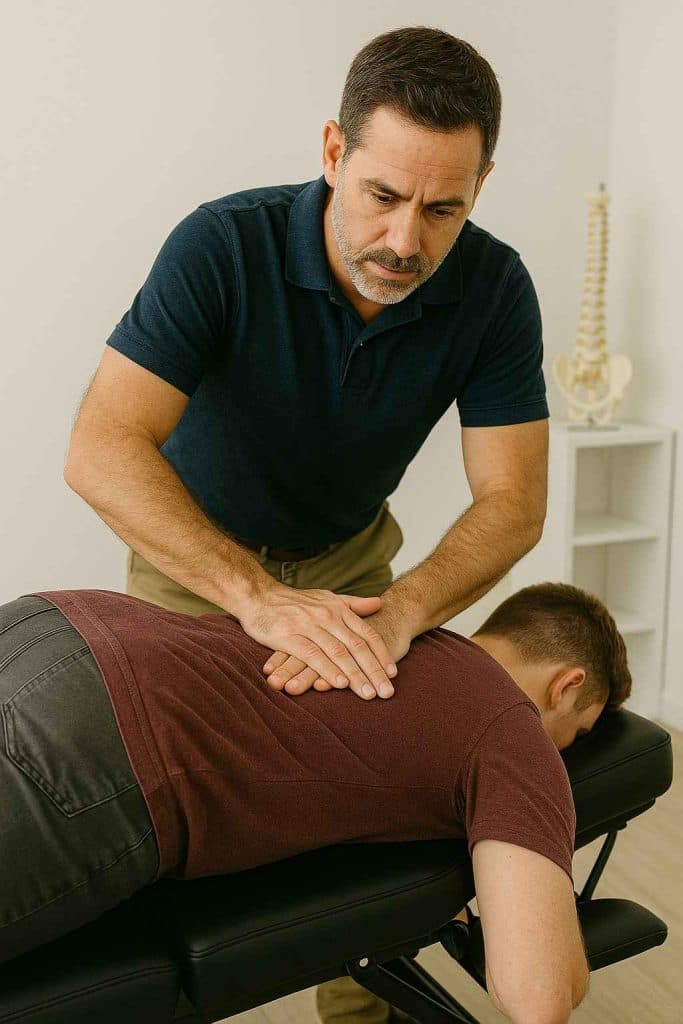
During a spinal adjustment, you will typically lie on a specially designed chiropractic table. The chiropractor will position you in a way that allows for the most effective and comfortable adjustment of the target joint.
- What Happens: The chiropractor will use their hands or a specialized instrument to apply a controlled, quick thrust to the specific joint that is restricted or misaligned. This is the chiropractor back adjustment itself.
- Common Sensations: You might feel a brief pressure or stretching sensation. Often, you will hear a popping or cracking sound. This sound is simply the release of gas bubbles like nitrogen, oxygen, and carbon dioxide within the joint fluid as the pressure changes, similar to cracking your knuckles. It is not the sound of bones rubbing or cracking.
- Safety: Spinal adjustments are generally very safe when performed by a licensed and trained chiropractor. Your chiropractor will take a thorough history and perform a physical examination to ensure that chiropractic care is appropriate for you.
Aftercare and Home Exercises
What you do after your adjustment is just as important as the adjustment itself for maximizing results and promoting long-term healing.
- Immediate Post-Adjustment: You might feel immediate relief, or you might experience some mild soreness or stiffness, similar to how you might feel after a workout. This is normal and usually resolves within 24 hours. Applying ice to the area can help reduce any post-treatment soreness.
- Staying Hydrated: Drinking plenty of water after an adjustment can help flush out toxins and support the healing process.
- Home Exercises and Stretches: Your chiropractor will likely provide you with specific exercises and stretches to do at home between visits. These exercises are crucial for strengthening the muscles that support your spine, improving flexibility, and maintaining the benefits of the adjustment. Consistency with your home exercise program is key to long-term success and achieving back pain relief Beaumont.
- Lifestyle Recommendations: Continue to follow any advice given regarding posture, ergonomics, and activity modifications to support your recovery and prevent re-injury.
Following your chiropractor’s aftercare instructions and incorporating the recommended home exercises are vital components of your journey to lasting back pain relief. For more guidance on rehabilitation and exercise, refer to our chiropractor care in Beaumont page which covers aspects of recovery and guidance.
Choosing a Beaumont Chiropractor for Back Pain
Selecting the right chiropractor is a personal decision that can significantly impact your experience and the effectiveness of your treatment for back pain in Beaumont.
Qualities to Look For
When choosing a chiropractor, consider the following qualities to ensure you find a qualified and trustworthy professional :
- Licensing and Credentials: Ensure the chiropractor is licensed by the Texas Board of Chiropractic Examiners. Look for their educational background and any postgraduate certifications.
- Experience: Consider the chiropractor’s experience in treating back pain, particularly the type of back pain you are experiencing. Look for an experienced auto injuries specialist if your pain stems from a car accident.
- Patient-Centered Approach: Look for a chiropractor who takes the time to listen to your concerns, answer your questions, and involves you in the decision-making process regarding your treatment plan.
- Good Communication: The chiropractor should clearly explain their diagnosis, treatment approach, and what you can expect. They should be willing to discuss your progress and adjust the plan as needed.
- Trust and Comfort: It’s important to feel comfortable and trust your chiropractor. Don’t hesitate to schedule an initial consultation to meet them and assess the clinic environment.
Local Clinics and Services
Beaumont, TX, is home to several chiropractic clinics dedicated to helping residents find relief from back pain. When researching local options, consider factors such as:
- Services Offered: Do they offer the specific techniques or therapies you are interested in, such as spinal decompression or soft tissue work?
- Patient Reviews and Testimonials: Look for online reviews to get insights into other patients’ experiences.
- Insurance Coverage: Check if the clinic accepts your health insurance plan.
- Location and Accessibility: Consider the convenience of the clinic’s location and operating hours. You can find our location details on our Find Us page. We also have services extending to Houston.
Exploring the websites of local clinics and potentially scheduling initial consultations can help you find the best fit for your needs. Learn more about the professionals available to help with chiropractor care in Beaumont.
Frequently Asked Questions About Chiropractic and Back Pain
It’s natural to have questions when considering chiropractic care for back pain. Here are some frequently asked questions:
- Is chiropractic care safe for back pain? Yes, when performed by a licensed and trained chiropractor, spinal manipulation is considered a safe and effective treatment for many types of back pain. Your chiropractor will conduct a thorough evaluation to ensure it’s appropriate for your condition.
- How effective is chiropractic for back pain? Research and clinical experience support the effectiveness of chiropractic care for both acute and chronic back pain treatment, often providing significant pain relief and improved function.
- How many sessions will I need? The number of sessions varies depending on the individual, the severity and duration of the pain, and the underlying cause. Some people experience relief after just a few visits, while others with chronic conditions may require more ongoing care. Your chiropractor will discuss a recommended treatment plan with you after your initial assessment.
- Does insurance cover chiropractic care? Many health insurance plans cover chiropractic services, especially for conditions like back pain. It’s always best to check with your insurance provider to understand your specific coverage.
- What should I wear to a chiropractic appointment? Wear comfortable, loose-fitting clothing that allows for ease of movement during the examination and adjustment. If you have other questions or concerns, don’t hesitate to discuss them with a chiropractor during your consultation.
Conclusion
Back pain can be a debilitating condition, limiting your ability to live life to the fullest in Beaumont, TX. However, you don’t have to accept pain as a permanent part of your life. Chiropractic for back pain Beaumont offers a powerful, non-invasive, and drug-free approach to finding relief, restoring function, and improving your overall well-being.
By addressing the root causes of back pain through precise spinal adjustments, complementary therapies, and personalized care plans, chiropractors help the body heal naturally. From understanding the different types of pain to receiving tailored treatment and guidance on preventing future issues, chiropractic care empowers you to take control of your spinal health. The benefits extend beyond just pain relief, leading to improved mobility, enhanced quality of life, and a greater ability to participate in the activities you enjoy.
If you are a back pain sufferer in Beaumont, exploring chiropractic care in Beaumont could be the key to unlocking a healthier, more active future. Don’t let back pain hold you back any longer.
To learn more about the comprehensive services and benefits of chiropractic care, explore our related pillar topic: learn more about chiropractic care in Beaumont.
Medically reviewed by
Verified
DS
Deepak Sharma
DC
Owner & Doctor of Chiropractic
Deepak Sharma, DC is a licensed Doctor of Chiropractic and the owner of Car Accident Cares in Beaumont, TX. He reviews the clinical content published across the site and works with a multidisciplinary network of MDs, chiropractors, imaging centers, and pain-management specialists focused on accurate diagnosis, evidence-based treatment, and complete recovery for motor-vehicle-accident victims across Beaumont and Houston.