Headaches After a Low-Impact Car Accident in Beaumont, TX
DS
By Deepak Sharma, DC
Medically reviewed
Owner & Doctor of Chiropractic · 7 min read · Published · Updated · Last reviewed
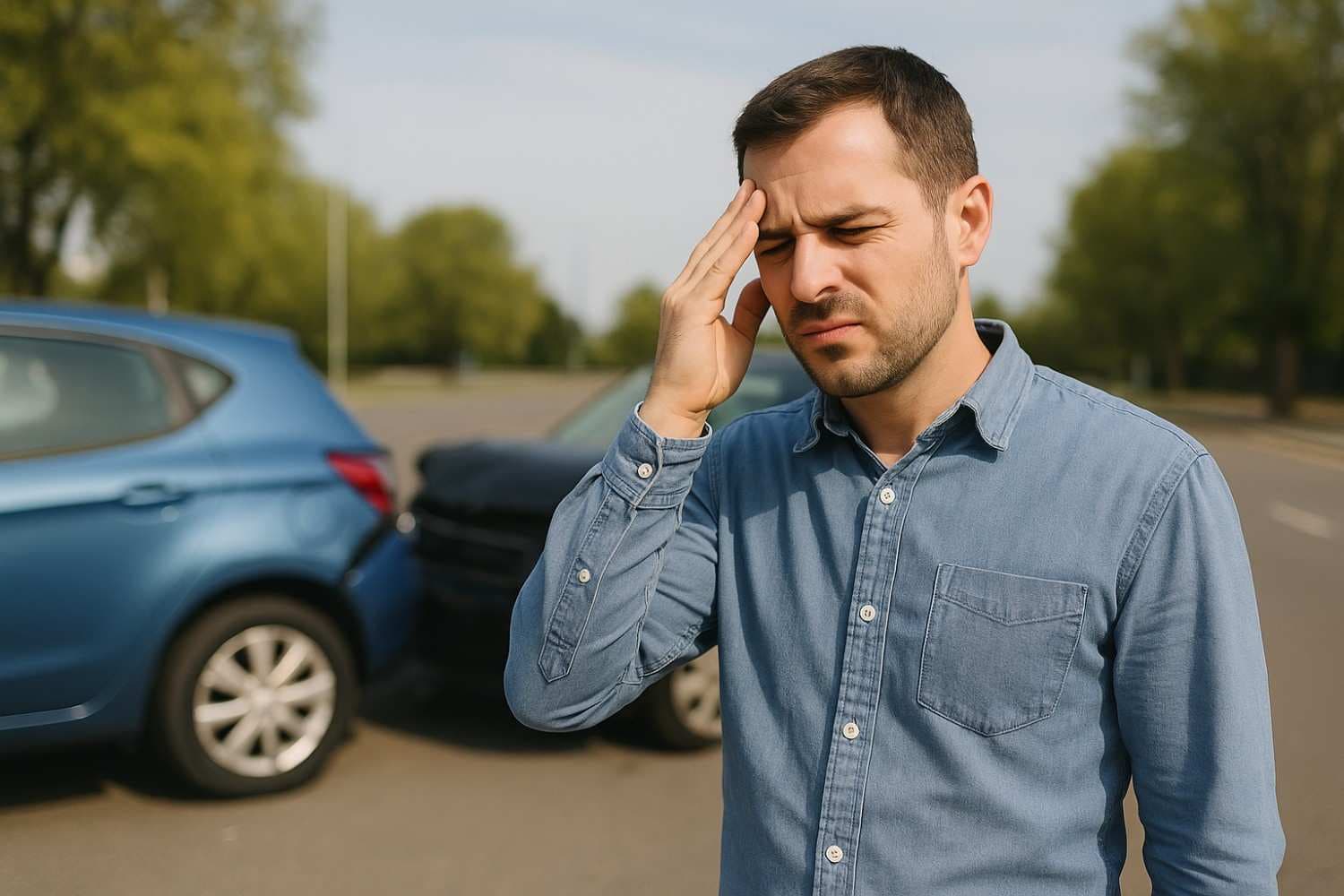
Experiencing a car accident, even a minor one, is jarring. You might dust yourself off, look at the minimal damage to your bumper, and assume you’re fine. However, a throbbing or persistent headache in the hours or days following a crash—a “fender bender”—can be alarming.
If you’re searching for answers about headaches after low impact car accident Beaumont TX, you’ve come to the right place. The confusion and pain are real, and understanding why even a slow-speed collision can lead to significant pain is the first step toward recovery. Don’t ignore these symptoms; what feels like a minor inconvenience could be a sign of a deeper injury.
What Is a Low-Impact Car Accident?
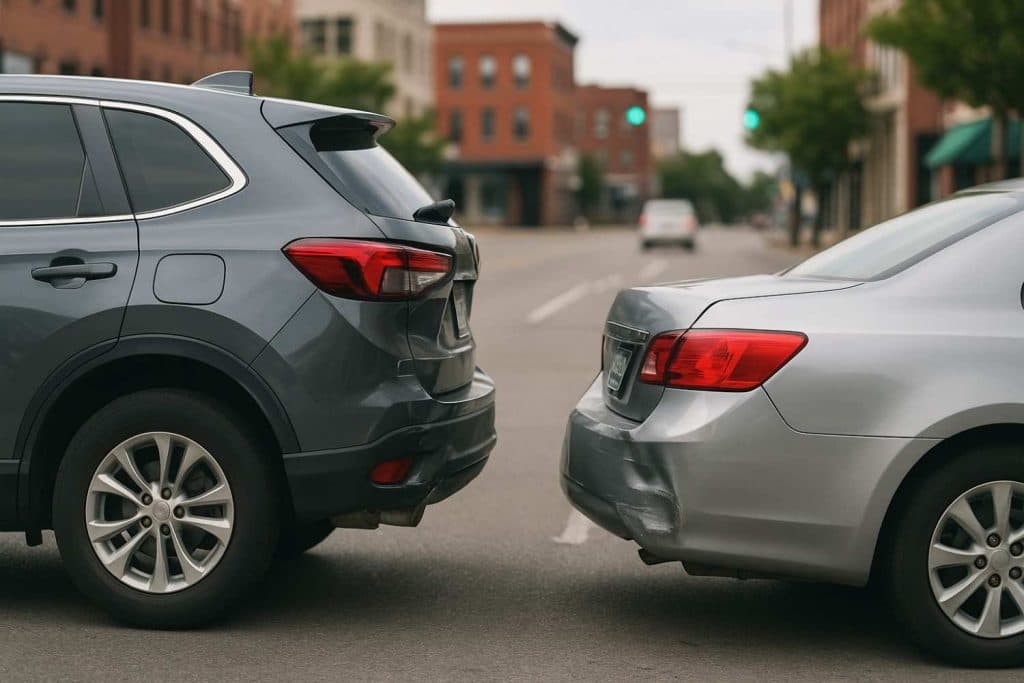
The term “low-impact” generally refers to collisions that occur at relatively slow speeds, often below 15 mph. These are the accidents that most often happen in day-to-day scenarios right here in Beaumont:
- Parking Lot Collisions: A slow backing-up incident or a bump while maneuvering into a space.
- Stop-and-Go Traffic: The common scenario of being rear-ended in rush hour traffic on I-10 or a busy Beaumont street.
- Minor Taps: A quick stop that results in a minimal but unexpected impact.
Because the property damage to vehicles is often minimal, many people incorrectly assume the physical trauma must also be minimal. Unfortunately, this isn’t always true, and the kinetic energy transferred to your body can be significant.
How a Low-Impact Crash Can Cause Headaches
The human body is not built to absorb sudden, unexpected forces, regardless of the speed. This is why you can still develop a severe injury and a headache even after a seemingly minor accident headaches Beaumont.
Mechanisms of Injury
The primary reason a low impact crash headaches occurs is due to the rapid acceleration and deceleration of the head and body.
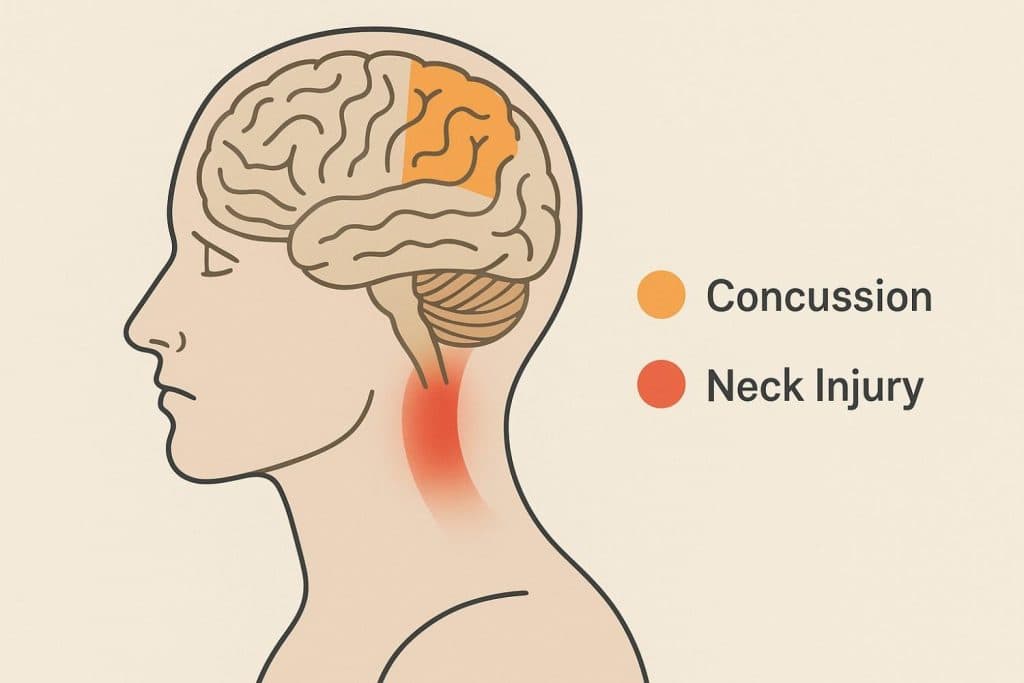
- Soft-Tissue Injuries (Whiplash): In a rear-end collision, your body is pushed forward, but your head is momentarily left behind before snapping forward and then back. This hyperextension and hyperflexion creates sudden strain on the muscles, ligaments, and nerves in the neck. This neck strain, or whiplash, is one of the most common precursors to post-accident headaches.
- Sudden Deceleration and Brain Movement: When your head snaps back and forth, the brain, which floats in cerebrospinal fluid, can collide with the inner wall of the skull. This is the mechanism behind a concussion—a mild traumatic brain injury (TBI). Even without loss of consciousness, this can cause significant and lingering headaches.
Types of Headaches After a Minor Accident
The kind of headache you experience can often point your doctor toward the source of the injury:
- Cervicogenic Headaches: These are one of the most common types of post-accident headaches. They originate in the neck (cervical spine) due to muscle tension, nerve irritation, or damage to the upper neck joints. The pain typically starts in the neck and radiates up to the head, often localized on one side.
- Post-Traumatic Headaches: These headaches are directly related to the brain’s injury (concussion). They can mimic migraines or tension headaches and may be accompanied by other symptoms like dizziness, nausea, or sensitivity to light and sound.
- Tension-Type Headaches: The stress and anxiety of an accident, combined with muscle strain, can lead to tension headaches. This pain is often described as a tight band around the head.
Signs and Symptoms to Watch For
The symptoms of a post-accident headache aren’t always immediate. While a headache right after the impact is a clear red flag, many people develop symptoms hours or even days later. This delayed onset is why vigilance is crucial.
Keep an eye out for these signs:
- Persistent Head Pain: A dull ache or throbbing that doesn’t go away or worsens with activity.
- Neck Stiffness and Restricted Movement: Often accompanying cervicogenic headaches.
- Dizziness or Vertigo: Feeling lightheaded, unsteady, or that the room is spinning.
- Nausea or Vomiting: Especially if paired with a headache.
- Visual Disturbances: Blurred vision, double vision, or increased light sensitivity (photophobia).
- Cognitive Difficulty: Trouble concentrating, memory issues, or feeling “foggy.”
Importance of Medical Evaluation Regardless of Impact Speed
It is easy to minimize your symptoms after a low-impact crash, thinking, “It was just a bump.” However, what appears to be a mild ache can be a significant hidden injury.
The force involved in an accident is not always proportional to the damage on your vehicle. Newer vehicles with large crumple zones are designed to absorb crash energy, but that can sometimes transfer more of the sudden whipping force to your body, increasing the risk of soft-tissue damage and concussion.
Seeking a full medical evaluation after crash is non-negotiable for two major reasons:
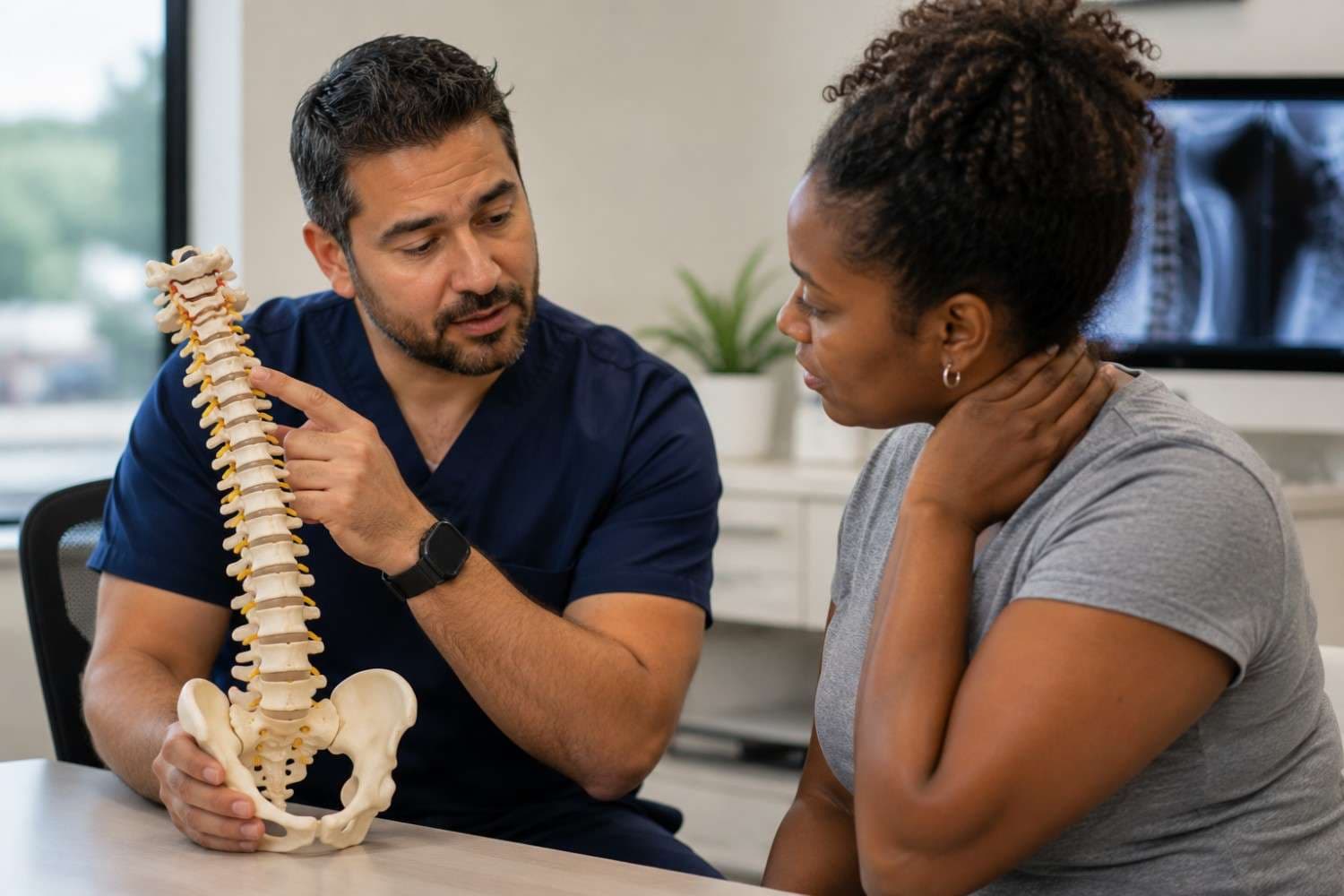
- Diagnosis: Only a qualified medical professional can properly diagnose the source of your headache—be it a cervicogenic issue, a concussion, or another injury. This diagnostic process may involve a clinical exam and, if warranted, imaging like X-rays or a CT scan. Schedule Medical Evaluation after crash.
- Documentation: To protect your rights and ensure any necessary treatment is covered, official medical documentation linking your symptoms to the accident is essential.
In Beaumont, consulting an auto injury specialist in Beaumont who understands the biomechanics of low-impact crashes is your best path toward effective treatment and recovery.
Treatment Options for Post-Accident Headaches
Immediate Self-Care Strategies
While you wait for your medical appointment, you can manage acute discomfort:
- Rest: Limit physical and mental activity, especially screen time.
- Ice/Heat Therapy: Apply ice to the affected areas of the neck or head for 15 minutes at a time to reduce inflammation, switching to heat after the first 48 hours for muscle relaxation.
- Over-the-Counter Pain Relief: Medications like ibuprofen if medically appropriate can offer temporary relief but are not a substitute for professional care.
Professional Interventions
Your path to recovery should be guided by a specialist:
- Physical Therapy: Specialized exercises and manual therapy to restore strength, flexibility, and range of motion in the neck and shoulders.
- Chiropractic Adjustments: Gentle adjustments can restore proper alignment to the cervical spine, directly addressing the root cause of many cervicogenic headaches.
- Referral: If your headaches are severe or chronic, your treating physician may refer you to a neurologist or headache specialist for advanced diagnosis and management.
Comprehensive care is crucial for healing. Find the right path to comprehensive car accident care after your accident.
Preventing Long-Term Complications
The risk with untreated headaches after low impact car accident Beaumont TX is that they can become chronic. This happens when acute pain signals are not properly managed, causing your nervous system to remain in a state of high alert.
By following your treatment plan precisely, you drastically reduce the chance of developing chronic headaches or persistent pain. Furthermore, don’t overlook the emotional toll of an accident; post-traumatic stress disorder (PTSD) or anxiety can often worsen physical pain symptoms. Seeking for both the physical and mental aspects of your recovery is a sign of strength.
Conclusion
A low-impact car accident is never “just a fender bender” if it leaves you with a headache. The forces involved in a minor collision are more than enough to cause whiplash, a concussion, and debilitating cervicogenic headaches that can disrupt your life in Beaumont, TX.
Early diagnosis is the most powerful tool for preventing acute pain from turning into a chronic condition. Don’t wait for the pain to become unbearable.
Get your headaches evaluated after any accident— schedule your evaluation today.
Medically reviewed by
Verified
DS
Deepak Sharma
DC
Owner & Doctor of Chiropractic
Deepak Sharma, DC is a licensed Doctor of Chiropractic and the owner of Car Accident Cares in Beaumont, TX. He reviews the clinical content published across the site and works with a multidisciplinary network of MDs, chiropractors, imaging centers, and pain-management specialists focused on accurate diagnosis, evidence-based treatment, and complete recovery for motor-vehicle-accident victims across Beaumont and Houston.