Dealing with Back Spasms After a Car Accident in Beaumont, TX
DS
By Deepak Sharma, DC
Medically reviewed
Owner & Doctor of Chiropractic · 7 min read · Published · Updated · Last reviewed
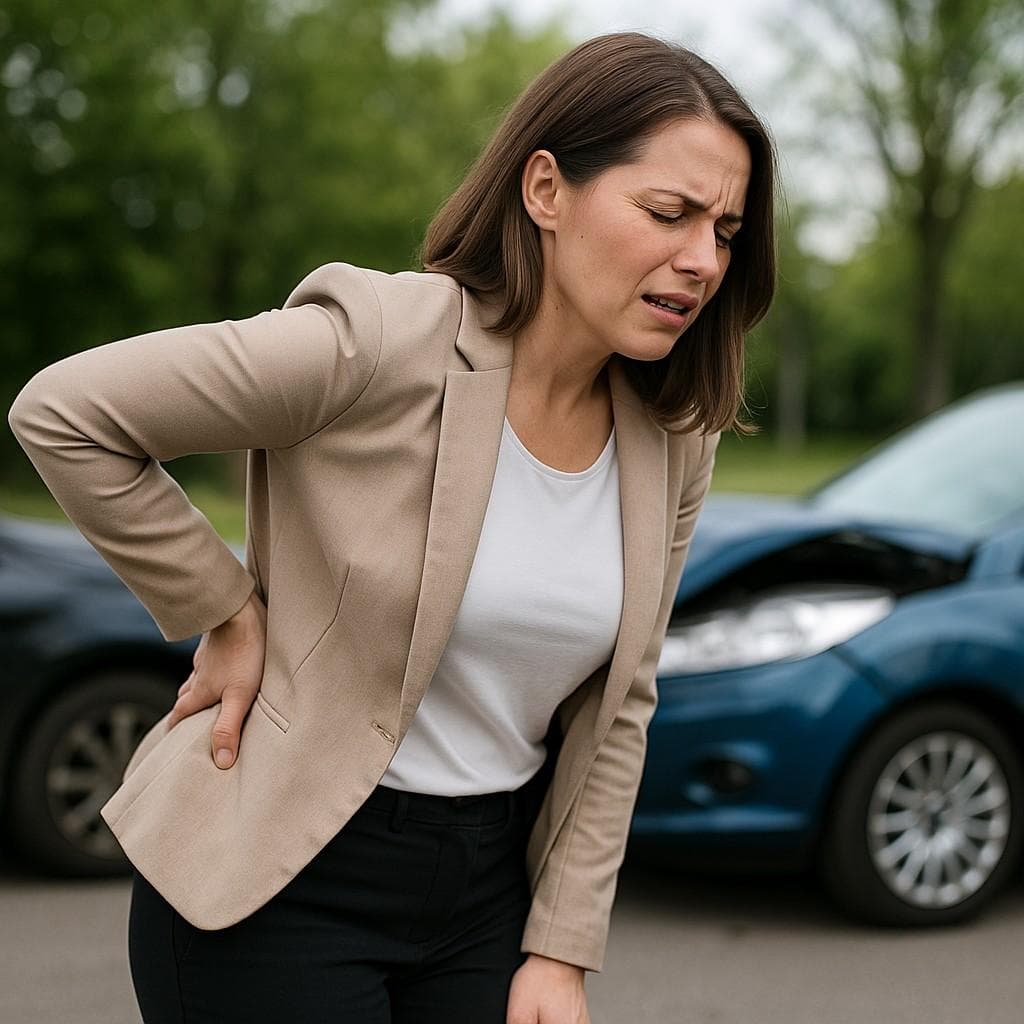
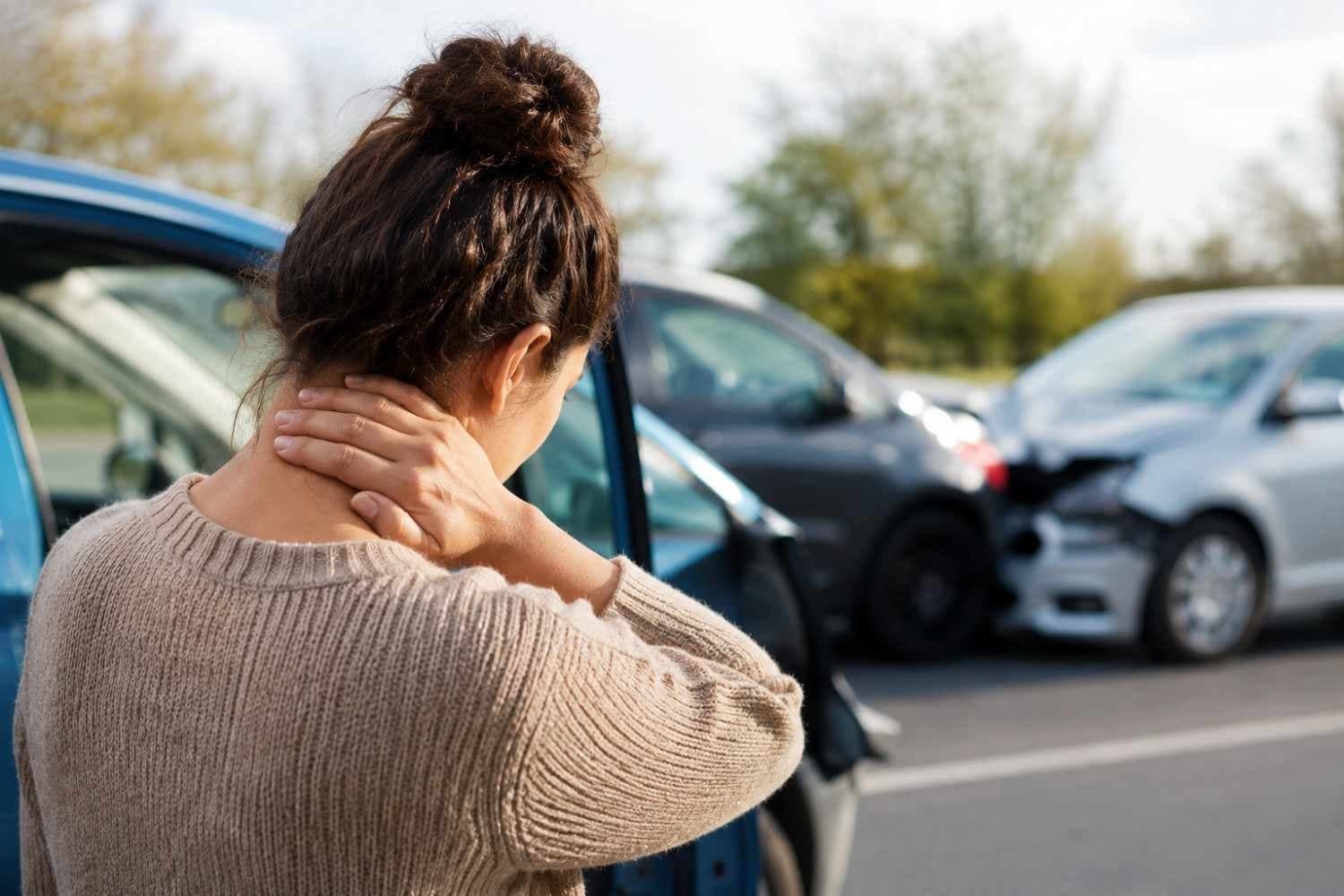
Experiencing a car accident, even a seemingly minor one, can be a jarring and traumatic event. Once the initial shock wears off, you may start to notice a range of painful symptoms. One of the most common and debilitating is the sudden, sharp, and involuntary tightening of your back muscles—back spasms after car accident Beaumont TX.
If you’re dealing with this painful issue, you are not alone. These spasms are a serious sign that your body has sustained an injury and needs professional attention. Ignoring them can lead to chronic pain and long-term mobility issues. In Beaumont, TX, we understand the specific challenges accident victims face and offer a comprehensive approach to help you find relief and recover properly.
What Causes Back Spasms After Car Accident Beaumont TX?
To treat your spasms effectively, it helps to understand why they’re happening in the first place. Back spasms are the body’s natural, though often painful, response to trauma. The sudden force of a collision—even a low-speed fender-bender—can violently jolt the spine, muscles, and ligaments, leading to several protective reactions.

Muscle Guarding and Protective Spasms
The primary reason for post-accident spasms is a phenomenon called muscle guarding. When your brain registers a sudden injury or threat to a joint, like your spine, it instinctively tells the surrounding muscles to contract forcefully to stabilize and immobilize the area. This is a survival mechanism, but it results in painful, sustained involuntary muscle contractions. While the body is trying to protect you, the tightened muscles restrict blood flow and irritate nerve endings, creating a painful cycle of spasm and inflammation.
For a deeper explanation of the types of injuries that can occur, consult an Back Pain Specialist.
Underlying Soft-Tissue Injuries
The forces involved in a collision often cause micro-tears in the muscles, tendons, or ligaments of the back—known as strains and sprains. These are often categorized as soft-tissue injuries. The damage itself is a source of pain and signals the body to initiate the protective spasms. Even small tears can lead to significant pain and stiffness, requiring targeted care to ensure proper healing and alignment.
Inflammation and Post-Accident Swelling
Following an injury, the body rushes blood and fluid to the damaged area. This inflammatory response is crucial for healing, but the resulting swelling puts pressure on nerves and muscles. This pressure can trigger or prolong muscle spasms after car crash Beaumont. Managing this inflammation is a key step in resolving the spasms and restoring comfort.

Common Symptoms and Warning Signs
It’s important to recognize the full spectrum of symptoms associated with these spasms so you can seek the right help. If you’re dealing with an injury in Beaumont, TX, watch out for:
- Acute, Sharp Pain: A sudden, crippling pain that makes movement difficult.
- Stiffness: A feeling of tightness or restricted movement, especially when trying to bend or twist.
- Limited Range of Motion: Difficulty performing simple tasks like getting out of a chair or reaching for an object.
- Visible Muscle Twitching: In some severe cases, you may see the muscle visibly jump or twitch under the skin.
If you are experiencing any of these back pain symptoms, it’s time to seek professional evaluation.
Effective Treatments for Back Spasms After a Car Accident
Spasms require a multi-faceted approach that addresses both the immediate pain and the underlying cause. Our team in Beaumont, TX, utilizes a combination of chiropractic care, pain management, and physical therapy to offer comprehensive relief.
Chiropractic Care
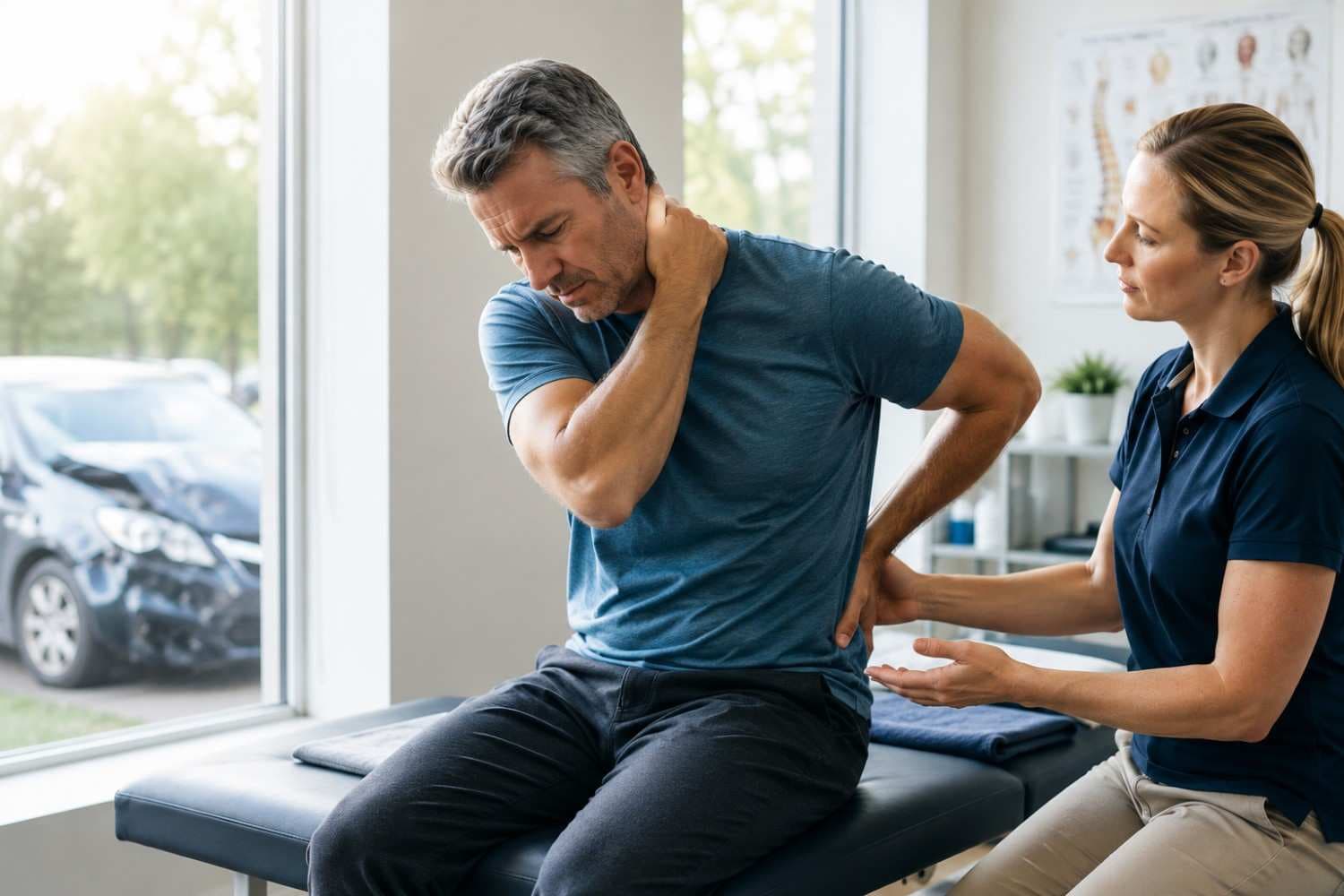
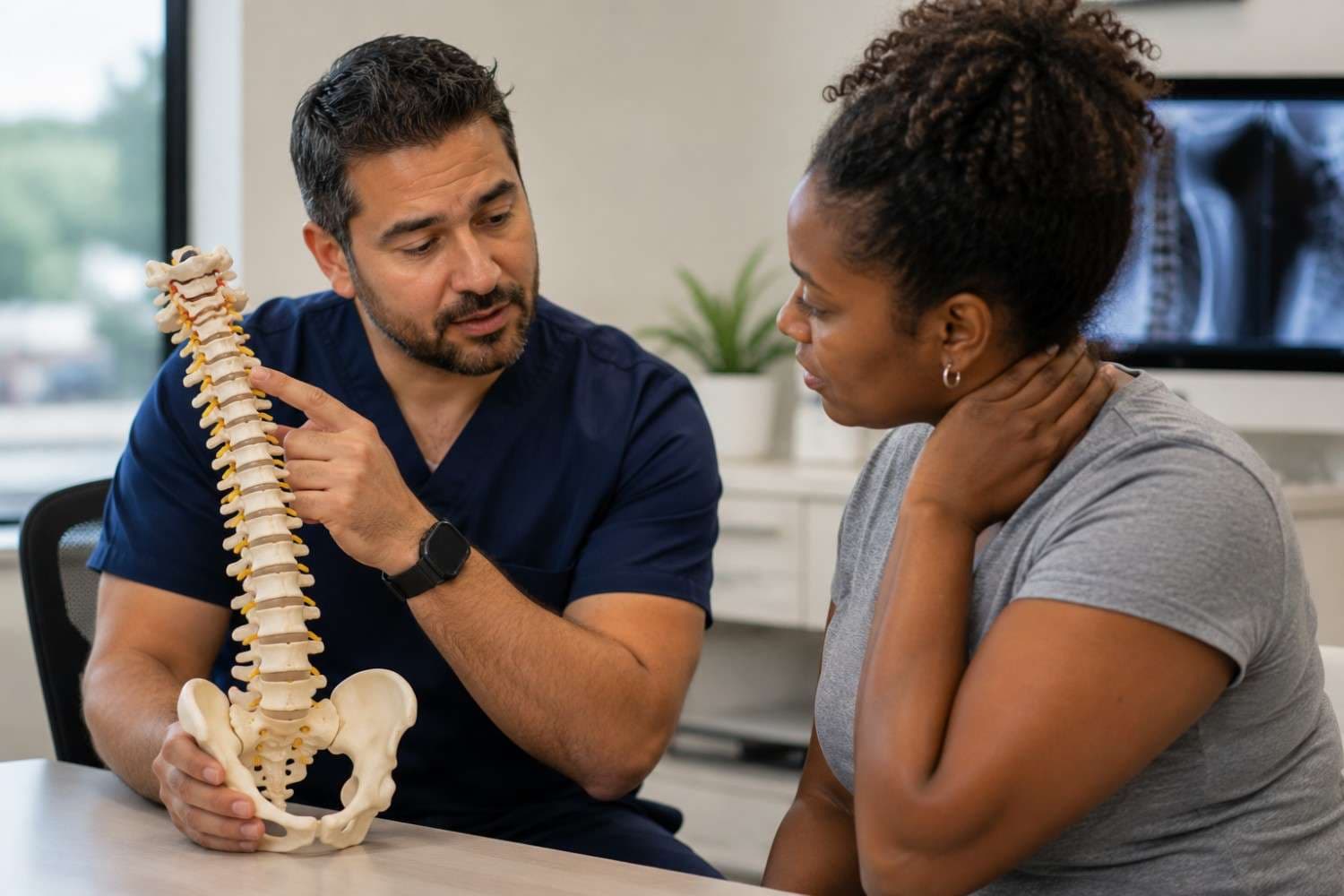
A central element of recovery is ensuring the spine is correctly aligned. A car accident can cause subtle misalignments (subluxations) that irritate nerves and trigger muscle guarding. Chiropractic care focuses on precise spinal adjustments to restore proper movement, which in turn reduces nerve irritation and signals the muscles to relax.

Pain Management Strategies
To break the pain-spasm cycle, we offer targeted pain management options designed to calm the irritated muscles and nerves. These may include:
- Trigger-Point Injections: Targeting knots in the muscle with medication to promote relaxation.
- Muscle Relaxants: Prescribed medications to temporarily ease involuntary contractions.
- Electrical Stimulation: Using gentle electrical currents to reduce spasm and pain signals.
Physical Therapy and Rehabilitation
Once the initial pain is controlled, physical therapy exercises are vital for long-term recovery. A physical therapist will guide you through:
- Targeted Stretching Routines: To gently lengthen and relax the spasming muscles.
- Strengthening Exercises: To rebuild core stability and support the injured back.
- Posture Education: Teaching safe movement and ergonomic adjustments to prevent recurrence.

Tips for Self-Care at Home
While professional treatment is essential, safe self-care can supplement your recovery and offer temporary relief:
- Ice and Heat Therapy: Apply ice packs for the first 48-72 hours to reduce inflammation, then switch to heat to relax muscles.
- Gentle Movement: Avoid complete bed rest. Light walking can help maintain mobility and blood flow, but stop if pain increases.
- Ergonomic Adjustments: Use a supportive pillow when sleeping or a lumbar support cushion when sitting to keep pressure off the lower back.
When to Seek Professional Help
Any back pain or spasm after a car accident warrants professional evaluation. However, you should urgently schedule an evaluation if you experience:
- Persistent Spasms: Spasms that don’t ease after a few days of rest and self-care.
- Neurological Symptoms: Numbness, tingling, or weakness in your legs or feet, which could indicate nerve compression.
- Severe, Uncontrolled Pain: Pain that cannot be managed with over-the-counter medication.
Conclusion
Back spasms after a car accident are more than just a minor inconvenience; they are your body’s signal of a deeper issue. Addressing these spasms early and thoroughly is the most crucial step you can take to prevent acute pain from turning into a chronic condition.
In Beaumont, TX, our holistic approach—combining expert chiropractic care, targeted pain management, and effective physical therapy—is designed to relieve your spasms, treat the underlying injury, and get you back to living comfortably. Don’t let back spasms dictate your life after an accident.
Medically reviewed by
Verified
DS
Deepak Sharma
DC
Owner & Doctor of Chiropractic
Deepak Sharma, DC is a licensed Doctor of Chiropractic and the owner of Car Accident Cares in Beaumont, TX. He reviews the clinical content published across the site and works with a multidisciplinary network of MDs, chiropractors, imaging centers, and pain-management specialists focused on accurate diagnosis, evidence-based treatment, and complete recovery for motor-vehicle-accident victims across Beaumont and Houston.