
Can Stress Worsen Chronic Pain?
DS
By Deepak Sharma, DC
Medically reviewed
Owner & Doctor of Chiropractic · 7 min read · Published · Updated · Last reviewed
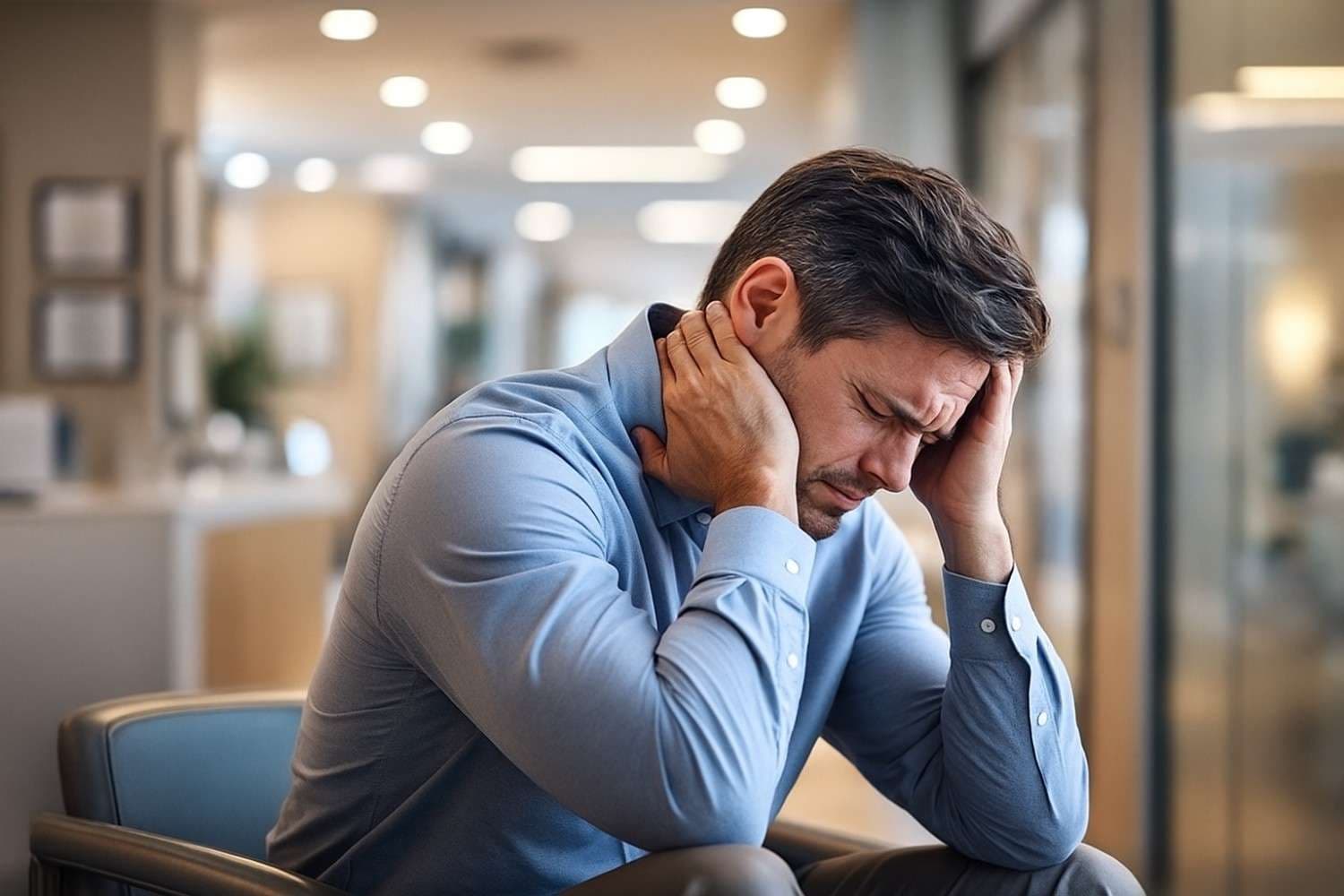
Have you noticed that your chronic pain seems to flare up or become unbearable during periods of high stress? You’re not imagining it. For many Beaumont residents living with persistent discomfort, whether from an old injury or a chronic condition, the mind-body connection can feel like a cruel cycle. It’s natural to feel frustrated, but understanding why this happens is the first step toward effective relief.
Many people with chronic pain don’t realize the significant impact psychological factors have on their physical symptoms. This article will explore a crucial question for anyone seeking lasting comfort: can stress worsen chronic pain? We will delve into the proven link between your mental state and your physical symptoms, offering valuable insights into managing stress for better pain relief as part of a comprehensive pain plan. This information is a key component of understanding Pain Management and finding relief right here in Beaumont, TX.

The Stress-Pain Connection: Understanding the Mind-Body Link
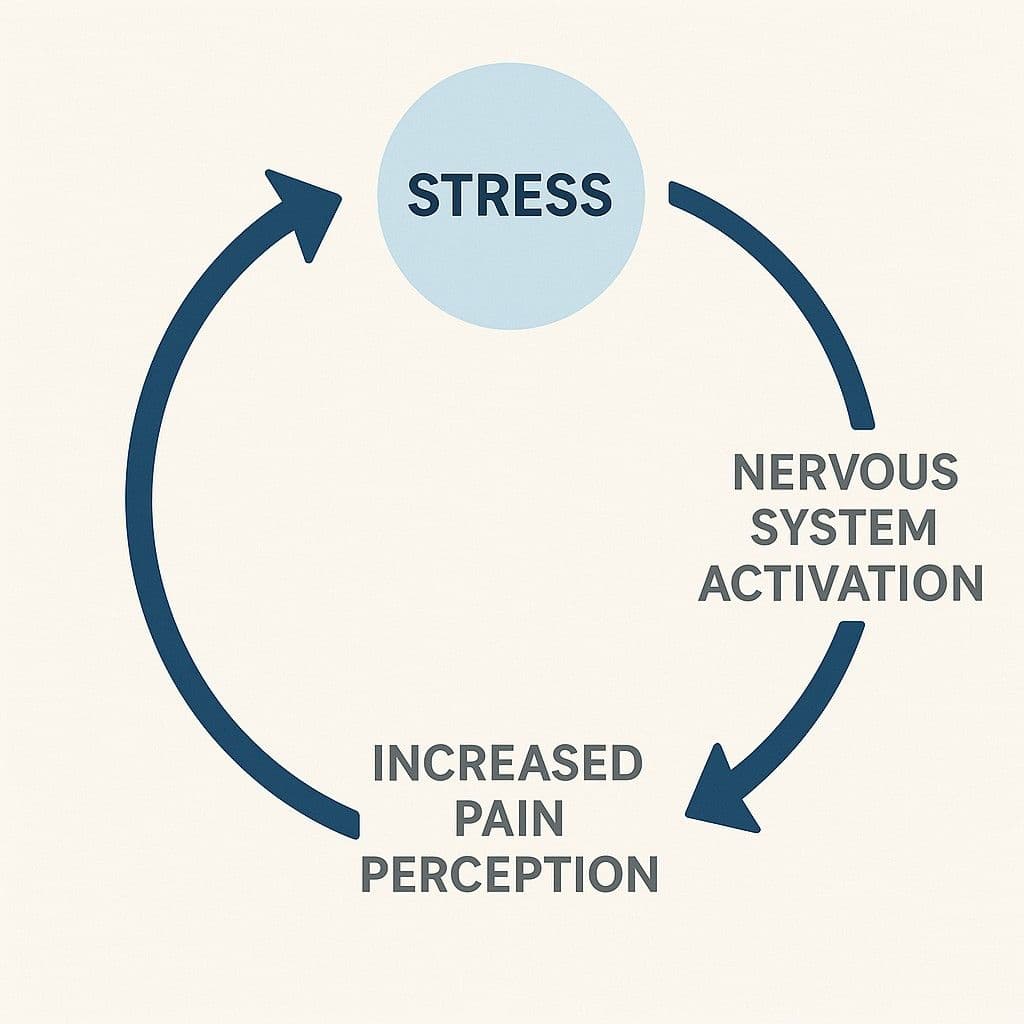
The relationship between stress and pain connection is a complex and entirely physical phenomenon, not “just in your head.” Your body is equipped with an intricate nervous system designed to protect you, and when you experience psychological stress, that system is activated.
When you face a threat—whether it’s a looming deadline or a physical trauma—your body initiates the “fight-or-flight” response. This ancient survival mechanism causes a cascade of physiological changes: heart rate increases, blood pressure rises, and muscles tense up. This is essential if you need to run, but when stress becomes chronic, this response never fully shuts off.
This constant state of alert, driven by stress, directly interacts with your pain pathways. It effectively turns up the volume on pain signals traveling to your brain. Understanding this physiological reality is crucial, as it validates the physical effects of your emotional state. See our comprehensive pain management approach.
How Stress Increases Pain Perception
One of the most profound answers to “can stress worsen chronic pain” lies in how stress hormones affect your body’s sensitivity. Stress doesn’t just make you think your pain is worse; it genuinely makes you more sensitive to pain signals.
When you’re stressed, your body floods your system with neurotransmitters and stress hormones like cortisol and adrenaline. These chemicals, while useful in an emergency, also interact with the nerves that transmit pain. In essence, they act like an amplifier for pain signals.
The result? The same chronic pain condition—be it lower back pain or persistent headaches—will feel significantly more intense or severe during high-stress periods compared to calm periods. This explains why your pain might spike even when there’s no physical change to the underlying injury. By focusing on this mechanism, we can address why chronic pain conditions worsened by stress require a targeted, holistic approach.
Stress-Induced Muscle Tension and Its Role in Chronic Pain
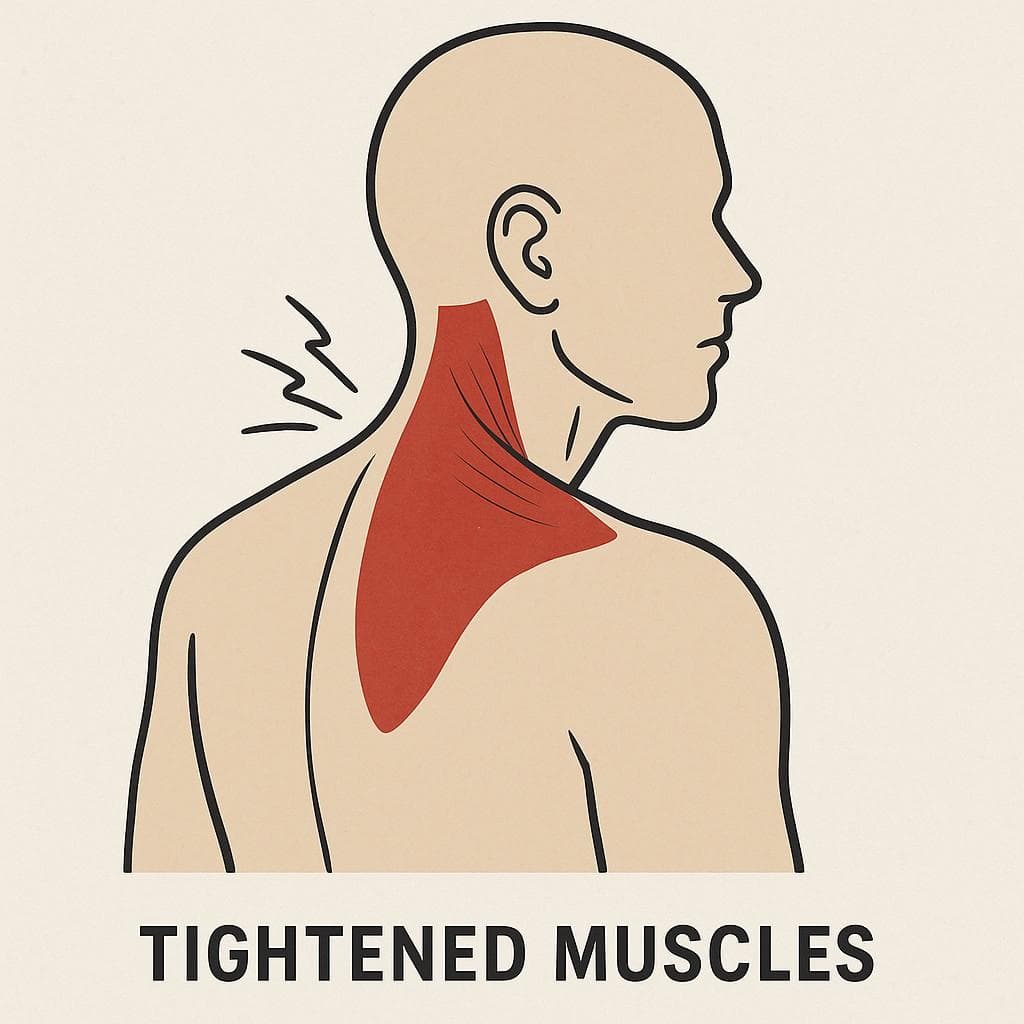
Another key mechanism connecting stress and physical discomfort is stress-induced muscle tension. Psychological stress often manifests physically as involuntary muscle guarding. This is your body’s attempt to brace for impact, even if the “impact” is an overwhelming workday.
Common areas where chronic pain patients experience this are the neck, shoulders, and lower back. When you are stressed, these muscles tighten up and remain in a contracted state. This tension restricts blood flow, causes a buildup of metabolic waste, and can directly irritate nerve endings, leading to stiffness, soreness, and often a significant increase in baseline chronic pain.
This creates a vicious cycle: stress leads to muscle tension, which causes pain, which in turn causes more stress and anxiety about the pain. Breaking this cycle is a critical step toward relief.
Anxiety and Chronic Pain: Breaking the Cycle
Anxiety, a close cousin to stress, plays a significant role in amplifying chronic pain symptoms. The presence of psychological factors in chronic pain is undeniable. For many, especially General Injury Seekers in Beaumont who have experienced an accident or trauma, the constant presence of pain itself can trigger anxiety.
This is a bidirectional relationship: chronic pain causes worry, fear, and hyper-vigilance (anxiety), and this increased anxiety heightens your nervous system’s sensitivity, thereby worsening the pain. This heightened state can manifest as catastrophizing—the tendency to focus on and exaggerate the threat of the pain—which in turn increases the release of pain-amplifying stress hormones. Addressing this emotional component is vital for achieving comprehensive relief. Learn more emotional well-being after a car accident.
Stress Management Techniques for Pain Relief
The good news is that just as stress can worsen chronic pain, proactive managing stress for pain relief can dramatically improve your symptoms and quality of life. Incorporating stress reduction techniques is not just a healthy habit; it is a core pain management strategy.
Here are a few evidence-based approaches you can begin using today:
Mindfulness and Meditation for Pain Management
Simple mindfulness exercises, such as focusing on the present moment and accepting your sensations without judgment, can help decouple your emotional reaction from the physical pain signal.
Breathing Techniques and Relaxation Strategies
Deep, diaphragmatic breathing activates the body’s parasympathetic nervous system—the opposite of the stress-driven fight-or-flight response. Techniques like Progressive Muscle Relaxation (PMR) can help you consciously release the stress-induced muscle tension we discussed earlier.
Physical Activity and Stress Reduction
Gentle movement, like walking or light stretching, can release endorphins, the body’s natural painkillers, and provide a healthy outlet for stress and tension.
Sleep and Recovery
Poor sleep is a powerful stressor. Prioritizing consistent, quality sleep is essential, as the body uses this time to repair tissues and regulate stress hormones.

The Role of Professional Pain Management in Addressing Stress
While self-care techniques are powerful, sometimes the cycle of stress and chronic pain requires professional intervention. A true multidisciplinary pain plan, especially for patients in Beaumont, TX, recognizes the interwoven nature of physical and psychological well-being.
Professional pain management accounts for addressing psychological factors in a multidisciplinary pain plan. This might involve:
- Behavioral Health Referrals: Connecting you with a pain psychologist who can teach coping mechanisms like Cognitive Behavioral Therapy (CBT) specifically tailored for chronic pain.
- Physical Therapy: Targeted exercises and modalities to address the muscle tension caused by stress.
- Medication Management: Optimizing medications to address underlying inflammation or nerve pain that contributes to the stress cycle.
By integrating stress management into your overall care plan, professional pain management services in Beaumont, TX, offer a path to treating the whole person, not just the symptom.
Conclusion: Taking Control of Stress for Better Pain Management
It is clear that the answer to can stress worsen chronic pain is a definitive yes. Stress amplifies pain perception, causes damaging muscle tension, and feeds the vicious cycle of anxiety and physical discomfort.
However, recognizing this connection is an act of empowerment. You can take control. Addressing the psychological factors in your chronic pain is not an alternative to physical treatment; it is an essential part of comprehensive healing.
Don’t let stress intensify your chronic pain. Discover how a multidisciplinary pain management approach in Beaumont, TX, can help you manage stress, break the pain cycle, and reclaim the relief you deserve.
Contact our Beaumont pain management specialists today to explore professional pain management solutions that address both your physical symptoms and the psychological factors that impact your well-being.
Medically reviewed by
Verified
DS
Deepak Sharma
DC
Owner & Doctor of Chiropractic
Deepak Sharma, DC is a licensed Doctor of Chiropractic and the owner of Car Accident Cares in Beaumont, TX. He reviews the clinical content published across the site and works with a multidisciplinary network of MDs, chiropractors, imaging centers, and pain-management specialists focused on accurate diagnosis, evidence-based treatment, and complete recovery for motor-vehicle-accident victims across Beaumont and Houston.