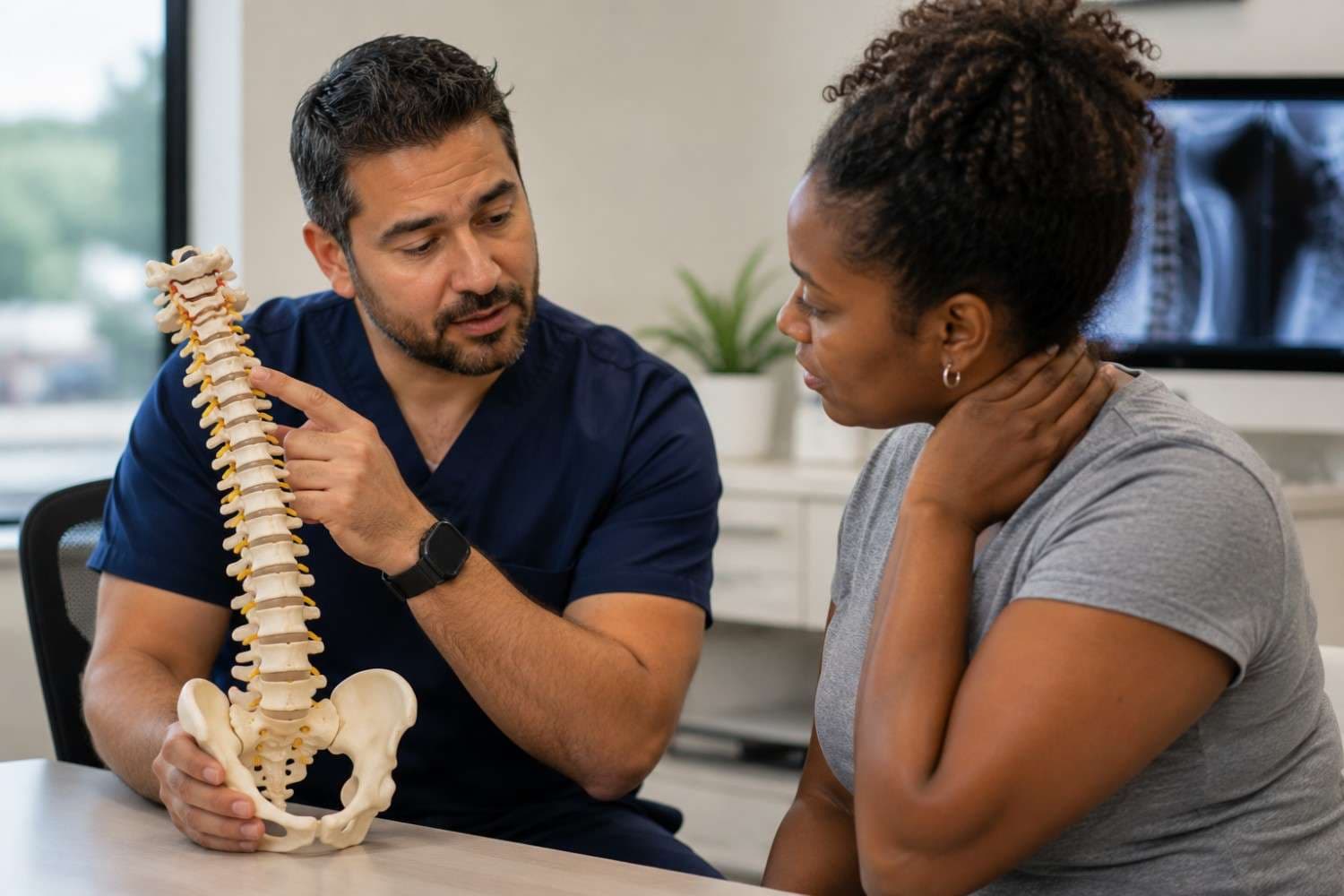
Can a Car Accident Cause Sciatica?
DS
By Deepak Sharma, DC
Medically reviewed
Owner & Doctor of Chiropractic · 9 min read · Published · Updated · Last reviewed
Introduction
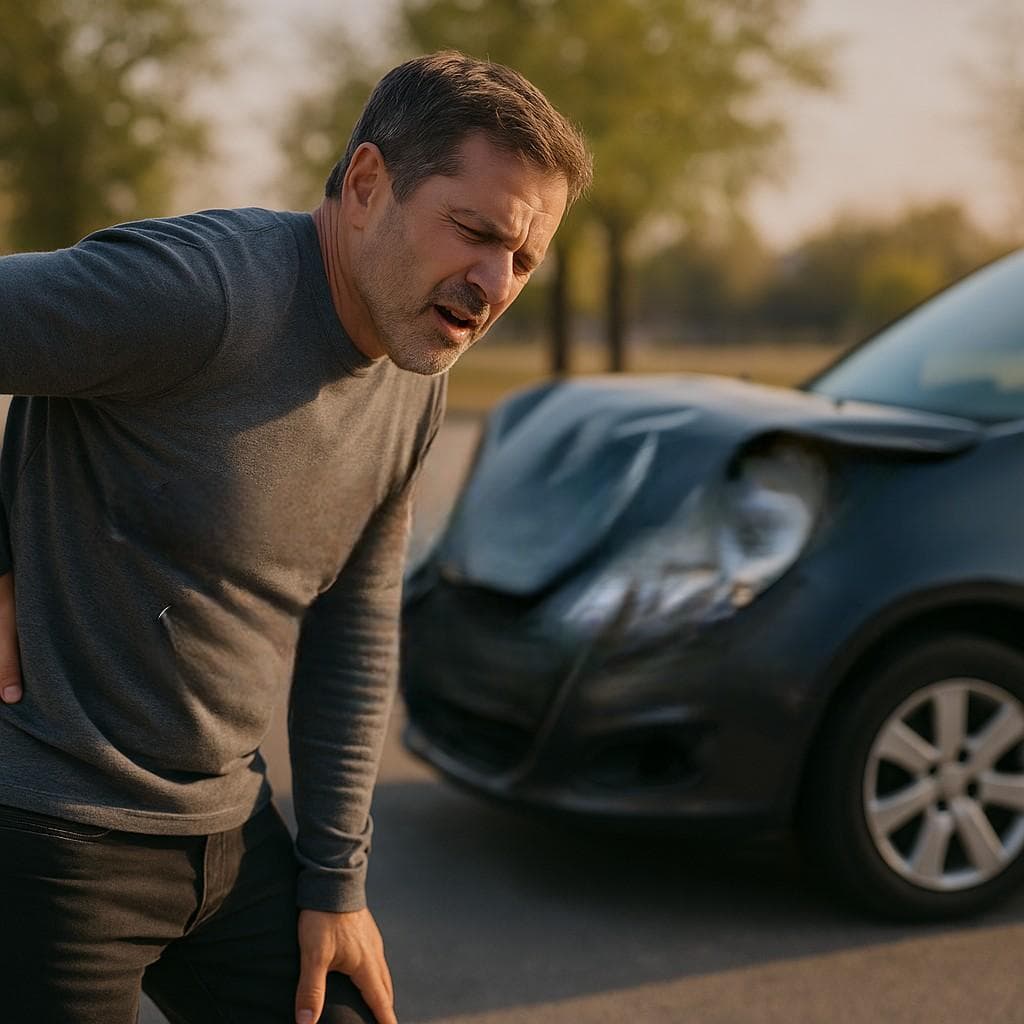
Every year, Beaumont, TX records over 4,500 automobile collisions, with nearly 35–40% of those crashes resulting in some form of spinal injury. If you’ve experienced a collision, you might be wondering, “can car accident cause sciatica?” The answer is a resounding yes, and it’s more common than you might think.
These injuries don’t always present immediately: many victims develop sciatica—pain, numbness, or tingling radiating down the leg—days or even weeks after impact. This delayed onset often leaves survivors puzzled about the cause of their discomfort and can delay effective treatment. If you’ve been involved in a car accident and now experience lower back or leg pain, understanding how a collision can precipitate sciatica is crucial. This comprehensive guide explores the mechanisms, symptoms, risk factors, diagnosis, treatment, and recovery strategies for accident-related sciatica in Beaumont.
Understanding Sciatica
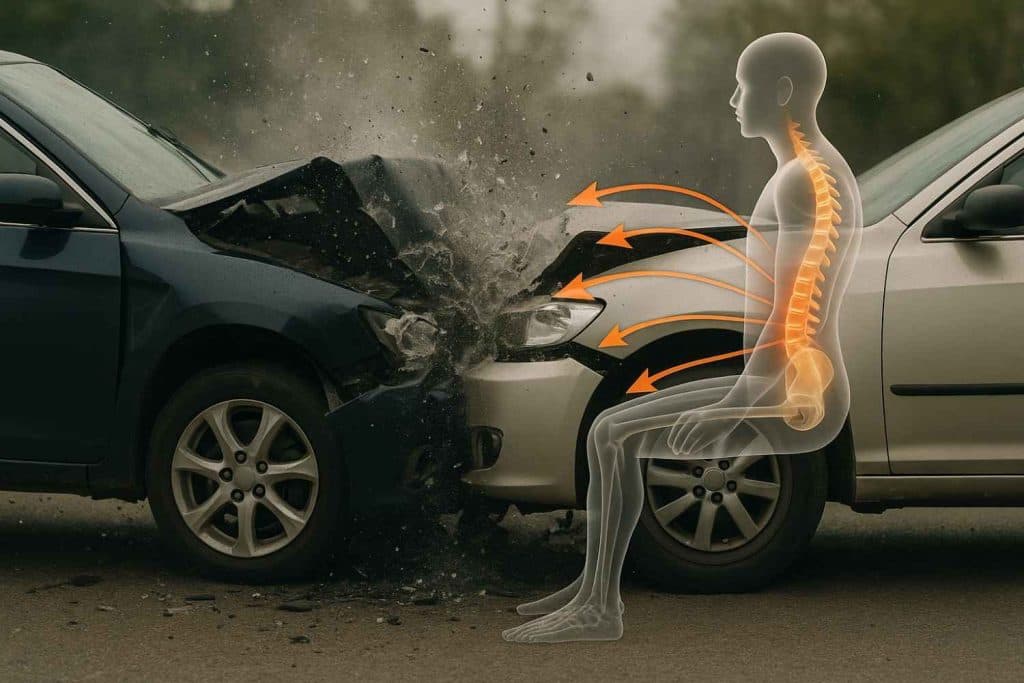
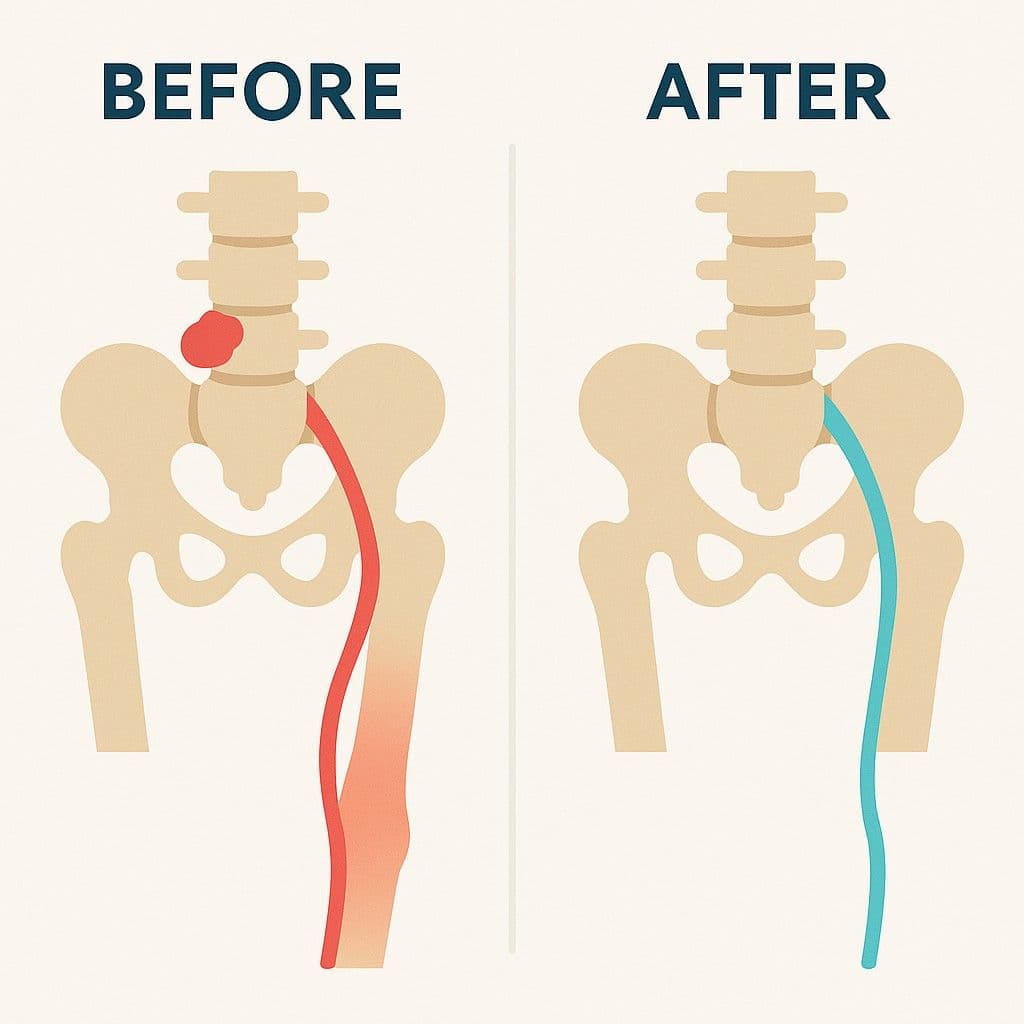
Sciatica is a symptom, not a standalone diagnosis. It occurs when the sciatic nerve—the body’s largest nerve, formed by nerve roots L4 through S1—becomes compressed or irritated. This nerve travels from the lower spine, through the pelvis, down the back of the thigh, and branches to the foot. When pressure builds at any point along this pathway, you experience the hallmark sensations of sciatica: sharp, burning, or electric pain, often accompanied by numbness, tingling, or muscle weakness in the affected leg.
Unlike generalized lower back pain, sciatica follows this nerve’s precise anatomy:
- Pain may worsen when sitting, bending forward, coughing, or sneezing.
- Symptoms typically affect one side (unilateral) but can appear bilaterally in severe cases.
- Neurological signs—such as foot drop (difficulty lifting the front of the foot)—signal significant nerve involvement.
How Car Accidents Impact the Spine
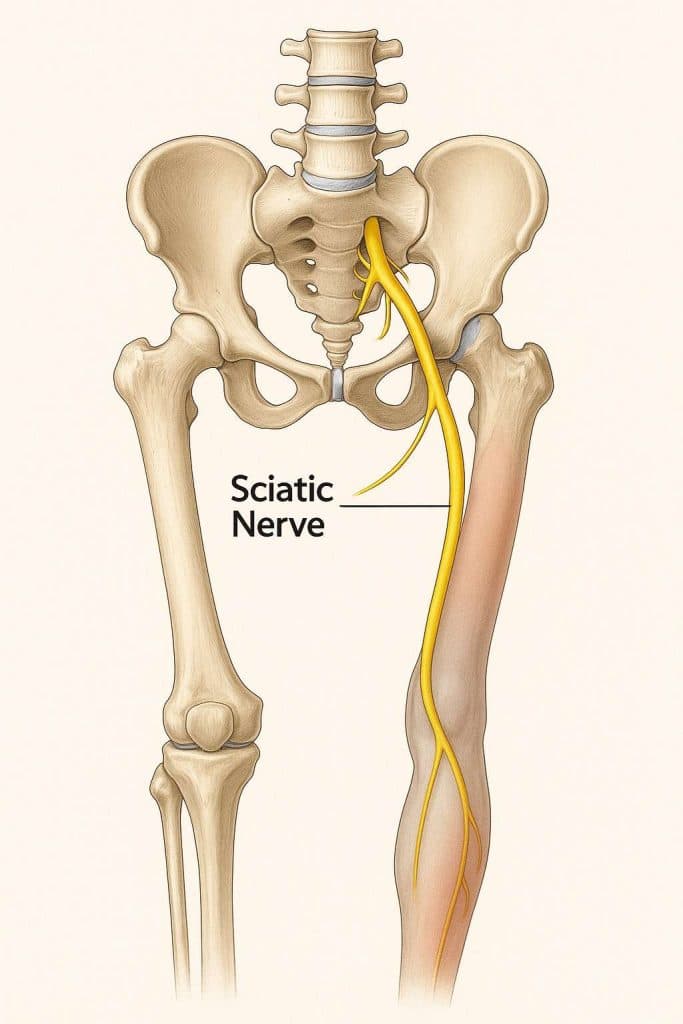
Every car crash subjects the body to extreme, sudden forces. On highways like I-10 and US-90, vehicles traveling at 55–65 mph can generate deceleration forces exceeding 20 times gravity, causing violent spinal motion. Key dynamics include:
- Compression & Shearing: Rapid deceleration drives vertebrae together, risking disc bulges or fractures.
- Flexion/Extension Loads: Rear-end collisions hyperextend the neck and upper back, while head-on impacts thrust the body forward, flexing the lumbar spine.
- Rotational Stress: Side-impact collisions twist spinal segments, overstretching discs, ligaments, and muscles.
Even modern safety features—seatbelts and airbags—while life-saving, concentrate forces on specific body areas, sometimes exacerbating localized spinal stress.³
Delayed Symptom Presentation
Adrenaline surges immediately after a crash can mask pain, and inflammatory processes may take 24–72 hours or up to 4 weeks to manifest fully. Without obvious symptoms, many survivors forego medical evaluation, mistakenly assuming they escaped serious harm. However, early sciatica often benefits most from conservative interventions, making prompt monitoring and assessment vital. For specialized car accident spinal injuries, timely intervention is key.
Mechanisms of Accident-Related Sciatica
Sciatic nerve pain after accident a collision typically results from one or more of these injury pathways:
1. Herniated Intervertebral Discs
Disc herniation is the primary culprit in 55% of post-accident sciatica cases. The intervertebral discs act as shock absorbers; under extreme compression and shearing during a crash, the disc’s inner gel nucleus pulposus can rupture through its tough exterior, impinging on adjacent nerve roots—most commonly at L4–L5 and L5–S1. Rear-end impacts often cause hyperextension, tearing the disc’s fibers, while side impacts introduce rotational shearing that destabilizes disc integrity.
2. Vertebral Subluxations & Misalignments
A subluxation—where one vertebra shifts out of its normal position—can narrow intervertebral foramen the exit channels for nerve roots. Even a millimeter of misalignment can exert direct pressure on nerve roots. Compounded by muscle spasms and fascial tightening, this mechanical compression perpetuates inflammation and nerve irritation.
3. Muscular Trauma & Piriformis Syndrome
Deep buttock muscles, especially the piriformis, can spasm or swell following a crash, irritating the sciatic nerve where it travels beneath or through the muscle. This secondary compression mimics disc-related sciatica but requires targeted myofascial release, stretching, and strengthening to resolve.
Recognizing Sciatica Symptoms Post-Crash
Early identification of sciatica ensures faster relief and prevents chronic progression. Watch for:
- Radiating Leg Pain: Sharp, burning, or electric sensations traveling from lower back to foot.
- Neurological Changes: Numbness, tingling, “pins-and-needles,” or foot drop.
- Movement Triggers: Pain intensification with sitting, bending, lifting, coughing, or sneezing.
- Muscle Weakness: Difficulty lifting the foot or stabilizing the ankle during walking.
- Immediate red flags—such as sudden loss of bladder/bowel control or rapidly worsening leg weakness—demand emergency evaluation for potential cauda equina syndrome.
Risk Factors for Developing Sciatica After an Accident
Several factors can increase an individual’s susceptibility to developing sciatica after car crash.
- Pre-Existing Spinal Conditions: Degenerative disc disease, osteoarthritis, or prior spinal injuries weaken structural resilience.
- Age-Related Disc Changes: After age 40, discs lose hydration, height, and elasticity, increasing herniation risk.
- Occupational & Lifestyle Factors: Jobs involving heavy lifting or prolonged sitting, poor core strength, and sedentary habits contribute to spinal vulnerability.
- Crash Dynamics: High-speed collisions, lack of proper seatbelt use, and smaller vehicle size correlate with increased injury severity.
Diagnostic Approach for Post-Accident Sciatica
A comprehensive evaluation is essential for accurately diagnosing suspected sciatica after car crash and ruling out other conditions.
1. Clinical Evaluation
Your care team will perform:
- History & Mechanism Correlation: Timeline of symptom onset aligned with crash details.
- Physical Tests: Straight-leg raise, slump test, reflex and strength assessments to localize nerve involvement.
2. Imaging Studies
- X-ray: Rules out fractures, joint misalignments, and severe instability.
- MRI: Gold standard for soft-tissue visualization—reveals disc herniations, nerve compression, and muscle inflammation.
- CT Scan: Employed when MRI is contraindicated or to assess bony structures in finer detail.
Treatment Strategies for Accident-Related Sciatica
Effective treatment for accident related sciatica aims to alleviate nerve compression, reduce pain, and restore function. Beaumont offers a range of comprehensive treatment approaches.
Conservative Care (First 6 Weeks)
- Activity Modification: Avoid prolonged sitting or bending; use ergonomic supports.
- Medication: NSAIDs, muscle relaxants, and neuropathic agents to control pain and inflammation.
- Physical Therapy: Gentle stretches, nerve glides, and gradual strengthening for core stability.
Chiropractic & Spinal Adjustments
Targeted spinal realignment reduces vertebral subluxations and restores proper biomechanics, alleviating nerve pressure and muscle overactivity.⁵ Patients often report 30–50% pain reduction after the first few sessions.
Interventional Pain Management
For persistent or severe sciatica unresponsive to conservative measures:
- Epidural Steroid Injections: Deliver anti-inflammatory medication directly around the nerve root.
- Nerve Blocks: Interrupt pain signaling pathways to provide temporary relief and enable rehabilitation.
Recovery Timeline & Prevention
The recovery timeline for sciatica after car crash varies widely among individuals, depending on the severity of the injury, adherence to treatment, and other health factors. Setting realistic expectations is important.
- Acute Phase (0–6 Weeks): Focus on pain control and inflammation reduction. Expect gradual symptom improvement with consistent treatment.
- Subacute to Long-Term (6 Weeks–6 Months): Emphasize strength training, posture correction, and ergonomic adjustments to prevent recurrence.
- Ongoing Maintenance: Regular core exercises, flexibility routines, and lifestyle modifications are critical for sustained spinal health.
Legal & Insurance Considerations
Understanding the practical aspects of documenting and treating accident related sciatica is crucial, especially in Beaumont, TX.
Documenting Your Injury
Maintain detailed records of your accident report, medical visits, symptom diary, and treatment plans. A well-documented timeline between crash and symptom onset strengthens insurance claims and legal cases.
Navigating Insurance Coverage
In Texas, Personal Injury Protection (PIP) covers medical expenses regardless of fault. Submit timely claims, communicate your treatment plan to providers, and verify coverage for imaging and interventional procedures to avoid unexpected out-of-pocket costs.
Conclusion
The question, “can car accident cause sciatica?” is unequivocally answered with a yes. Car accidents can undoubtedly cause sciatica through herniated discs, vertebral misalignments, and muscular trauma. With up to 37% of collision survivors developing sciatica symptoms, early recognition, prompt evaluation, and a personalized combination of conservative therapy, chiropractic adjustments, and interventional pain management are crucial for optimal recovery. Don’t ignore leg pain or numbness after a crash—reach out today to Beaumont’s auto injury specialists for a comprehensive sciatica evaluation and tailored treatment plan.
Medically reviewed by
Verified
DS
Deepak Sharma
DC
Owner & Doctor of Chiropractic
Deepak Sharma, DC is a licensed Doctor of Chiropractic and the owner of Car Accident Cares in Beaumont, TX. He reviews the clinical content published across the site and works with a multidisciplinary network of MDs, chiropractors, imaging centers, and pain-management specialists focused on accurate diagnosis, evidence-based treatment, and complete recovery for motor-vehicle-accident victims across Beaumont and Houston.