5 Things to Do Immediately After a Car Accident in Beaumont, TX
DS
By Deepak Sharma, DC
Medically reviewed
Owner & Doctor of Chiropractic · 26 min read · Published · Updated · Last reviewed
Introduction
Experiencing a car accident in Beaumont, TX can be a jarring and stressful event, regardless of the severity. The moments immediately following a collision are critical, and knowing the right steps to take can significantly impact your safety, your health, and any potential insurance or legal processes that may follow. The unique challenges of navigating traffic, understanding local procedures, and identifying relevant resources in the Beaumont area make having a clear plan essential.
Beaumont, situated at the intersection of major highways like Interstate 10 and Highway 69, experiences a significant volume of traffic, including large commercial vehicles associated with the region’s prominent oil and gas industry. This traffic density, combined with variable weather conditions common to Southeast Texas, can contribute to a higher incidence of accidents. Understanding these local factors is key to being prepared.
According to data from the Texas Department of Transportation (TxDOT), Jefferson County, where Beaumont is located, consistently reports a notable number of traffic collisions each year. These statistics underscore the reality that car accidents are a risk for anyone driving in the area. Taking immediate, informed action is not just recommended – it’s a crucial part of ensuring your well-being and protecting your rights. Being prepared can protect your health, legal rights, and financial interests.
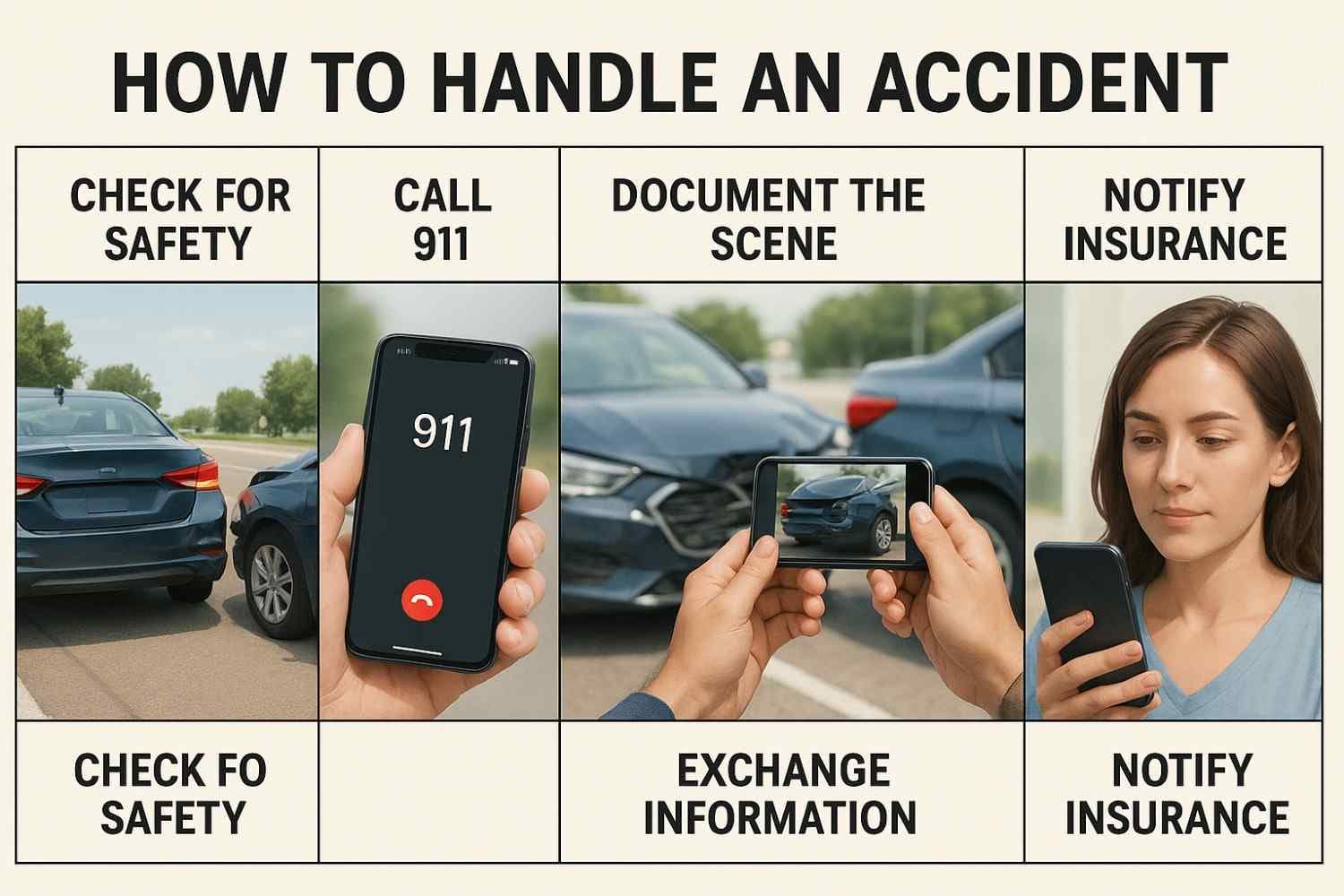
This comprehensive guide is specifically created for residents of Beaumont and the surrounding communities. It outlines five critical steps you should take immediately after a car accident, providing localized insights and emphasizing the importance of prompt action. By following these steps, you can navigate the immediate aftermath of a collision more effectively and lay the groundwork for a smoother recovery process. These steps should be taken as soon as possible after a collision.

For comprehensive Car Accident Care in Beaumont , understanding these immediate actions is vital. We understand that this is a difficult time, but being prepared with knowledge is the first step towards managing the situation effectively. Throughout this guide, we will walk you through the essential actions, from ensuring immediate safety to seeking necessary medical and legal support, all within the context of resources and procedures relevant to Beaumont, TX.
Step 1: Ensure Safety and Check for Injuries
Emphasize that safety is the absolute first priority after any collision. The moments immediately following a car accident can be chaotic and present immediate dangers. Taking steps to secure the scene and check for injuries is paramount before anything else.
Move to a Safe Location
If your vehicle is involved in a minor accident in Beaumont and is still drivable, Texas law generally permits you to move it out of the flow of traffic to a safer location. This could be the shoulder of the road, a nearby parking lot, or another safe area away from oncoming cars. This helps prevent secondary accidents. If you can’t move your vehicle safely or if there are injuries, it’s often best to leave the vehicles in place unless they pose an immediate threat like fire. Once moved, or if immobile, turn on your hazard lights immediately to make your vehicle more visible to other drivers. If you have reflective triangles or flares, set them up to warn approaching traffic. Move yourself and any passengers away from the roadway to a safe location, far from traffic.
Check for Injuries
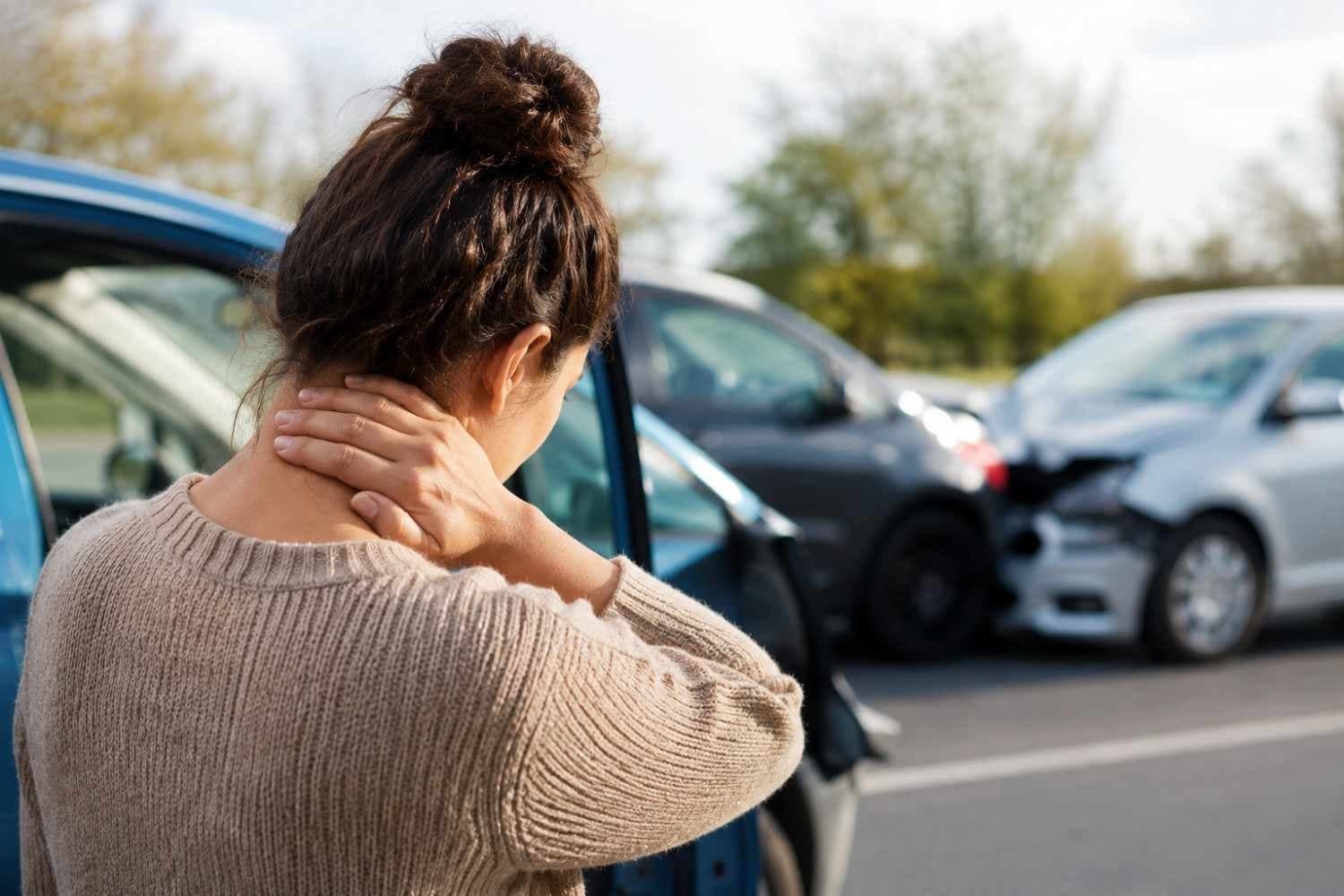
As soon as the immediate scene is as safe as possible, quickly check yourself and your passengers for injuries. Even if you feel fine initially, the adrenaline from the accident can mask pain. Ask everyone in your vehicle if they are experiencing any pain or discomfort. Provide guidance on quickly assessing yourself and others for injuries. Look for visible signs of injury, listen to what others are saying about how they feel, and be aware of any dizziness, confusion, or pain. If someone is unconscious or appears to have serious injuries, do not move them unless absolutely necessary due to immediate danger (like fire).
Call Emergency Services if Needed
Explain when 911 should be called immediately (serious injuries, fire, etc.) versus when it may not be necessary for minor fender benders. You should call 911 immediately if:
- Anyone is seriously injured or killed.
- There is a fire or risk of explosion.
- The accident is blocking traffic and cannot be moved safely.
- You suspect the other driver is intoxicated.
- There is significant damage to the vehicles (generally over $1,000 in Texas, which covers most accidents).
For very minor fender benders with no apparent injuries and minimal damage, calling the local Beaumont Police Department non-emergency line might be an option depending on local policy and if the accident does not meet the state’s reportable criteria. However, if there is any doubt about injuries or damage, always call 911 to ensure an official report is made. When speaking to the 911 dispatcher, provide your exact location, the number of vehicles involved, and whether there are injuries.

To understand the types of physical trauma that can occur, Learn about common car accident injuries.
Step 2: Call the Police
Calling the police after a car accident in Beaumont is not just a good idea for documentation; it’s often a legal requirement in Texas. A police report provides an official account of the accident, which is invaluable for insurance claims and legal purposes.
When Police Reporting is Legally Required in Texas
Detail the Texas Transportation Code requirements. According to Texas law (§ 550.062), drivers involved in an accident must immediately notify the police if the accident results in injury to or death of any person, or if it causes property damage to an apparent extent of $1,000 or more. This applies regardless of whether the accident occurred on public or private property. Given the cost of vehicle repairs, most accidents involving damage will meet this $1,000 threshold, making police reporting mandatory in the majority of cases. Failing to report a qualifying accident can result in legal penalties.
What to Expect When Police Arrive
Once you’ve called 911, police officers from the Beaumont Police Department will be dispatched to the scene. Explain the police investigation process. They will secure the area, check on the well-being of those involved, and begin gathering information. What questions they typically ask will include details about how the accident occurred from your perspective, the other driver’s perspective, and any witnesses. They will also collect driver’s licenses, vehicle registration, and insurance information. What will be included in the police report is a detailed summary of the officer’s findings, including a diagram of the accident scene, witness statements, vehicle information, and sometimes the officer’s initial determination of contributing factors. Be cooperative and provide accurate information to the officers.
Obtaining a Police Report in Beaumont
Obtaining a copy of the official police report is a crucial step for your records and insurance claim. Provide specific information about how to get an accident report in Beaumont. Accident reports filed by the Beaumont Police Department can typically be obtained through their records division. The process usually involves submitting a request and may require a small fee. Information on how to request reports is usually available on the Beaumont Police Department’s official website or by calling their non-emergency number. While reports are not available immediately, it typically takes several days or a couple of weeks for the report to be completed and processed. In some cases, for minor non-reportable accidents where police did not respond, you may need to file a Driver’s Crash Report (Form CR-2) with the Texas Department of Transportation (TxDOT) yourself within 10 days if the damage exceeds $1,000.

Understanding Beaumont emergency care options after an accident is also important as you await police arrival. Learn about Beaumont emergency care options after an accident.
Step 3: Exchange Information with Other Parties
Once the scene is safe and the police have been called, you need to exchange information with all other parties involved in the accident. Explain the importance of properly documenting all parties involved. This information is necessary for insurance purposes and any potential legal follow-up.
Essential Information to Collect
List all information that should be collected:
- Full Name and Contact Information: Get the full name, phone number, and email address of all drivers and passengers involved.
- Insurance Information: Obtain the name of their insurance company and their policy number. Taking a photo of their insurance card is recommended.
- Driver’s License Information: Write down or photograph their driver’s license number.
- Vehicle Information: Note the make, model, year, and license plate number of all vehicles involved.
- Location and Time: Record the exact location of the accident (street address, intersection, highway mile marker) and the precise time it occurred.
How to Document Other Vehicles
Explain the importance of noting damage to all vehicles involved. Take clear photos and videos of the damage to your vehicle and all other vehicles involved from multiple angles. This visual evidence can be crucial for assessing the extent of the damage later. Take photos of other vehicles’ damage, focusing on the points of impact.
Dealing with Uncooperative Drivers
Provide guidance on what to do if other drivers refuse to share information or if you suspect they provided false information. Remain calm and do not get into an argument. Inform the responding police officer that the other party is being uncooperative. The officer will then assist in obtaining the necessary information. If you suspect false information, provide the police with any details you do have (like license plate number) and let them handle it. Do not chase or confront an uncooperative driver who leaves the scene; call the police immediately and provide the vehicle description and direction of travel.

If you need assistance after collecting this information, don’t hesitate to Contact our Beaumont accident care specialists.
Step 4: Document the Accident Scene
Thorough documentation of the accident scene is a critical step that provides visual and written evidence to support your account of what happened. Explain why thorough documentation is crucial for insurance claims and potential legal action. Photos, videos, and notes taken at the scene can be invaluable for insurance adjusters, lawyers, and in court if necessary.
Take Photos and Videos
Provide detailed guidance on what to photograph. Use your smartphone to take numerous photos and videos of everything related to the accident.
- Vehicle Damage: Capture close-up and wide shots of all damage to all vehicles involved from multiple angles. Don’t just focus on the point of impact; document all visible damage.
- Entire Scene: Take photos that show the overall context of the accident, including the position of the vehicles relative to each other and the road.
- Road Conditions: Document anything about the road that might have contributed to the accident, such as potholes, debris, construction zones, or unusual road markings.
- Traffic Signs/Signals: Photograph any relevant traffic signs, signals, or other control devices in the area.
- Skid Marks: If visible, photograph skid marks, showing their length and location relative to the vehicles.
- Weather Conditions: Take photos or videos that show the weather conditions at the time of the accident, such as rain, fog, or ice.
Creating a Comprehensive Visual Record is essential. These visual records provide objective evidence that can corroborate your statements and help reconstruct the accident.
Gather Witness Information
Explain how to approach witnesses. If there were witnesses to the accident, politely and calmly ask if they would be willing to provide their contact information and a brief statement about what they saw. What information to collect includes their full name, phone number, and email address. Explain why witness statements can be valuable. Their unbiased account can significantly strengthen your case, especially if there are disputes about how the accident occurred or who was at fault. Ask them what they saw, and if they are willing, ask them to write down a brief statement and sign it. Remember even seemingly insignificant details they recall could be important.
Record Your Recollection of Events
Advise writing down or recording your memory of how the accident occurred while fresh. As soon as you are able, ideally at the scene or shortly after, make notes about everything you remember about the accident. Include details like the exact time and location, weather conditions, what you were doing, what you saw and heard, and the sequence of events leading up to and immediately following the collision. This will help preserve crucial details that might fade from memory later.

Learn about diagnostic imaging after an accident can also be a key part of documenting the physical impact.
Step 5: Seek Medical Attention
One of the most critical steps after a car accident in Beaumont, TX, even if you feel uninjured, is to seek medical attention promptly. Emphasize the importance of medical evaluation even if injuries aren’t immediately apparent.
Immediate vs. Delayed Symptoms
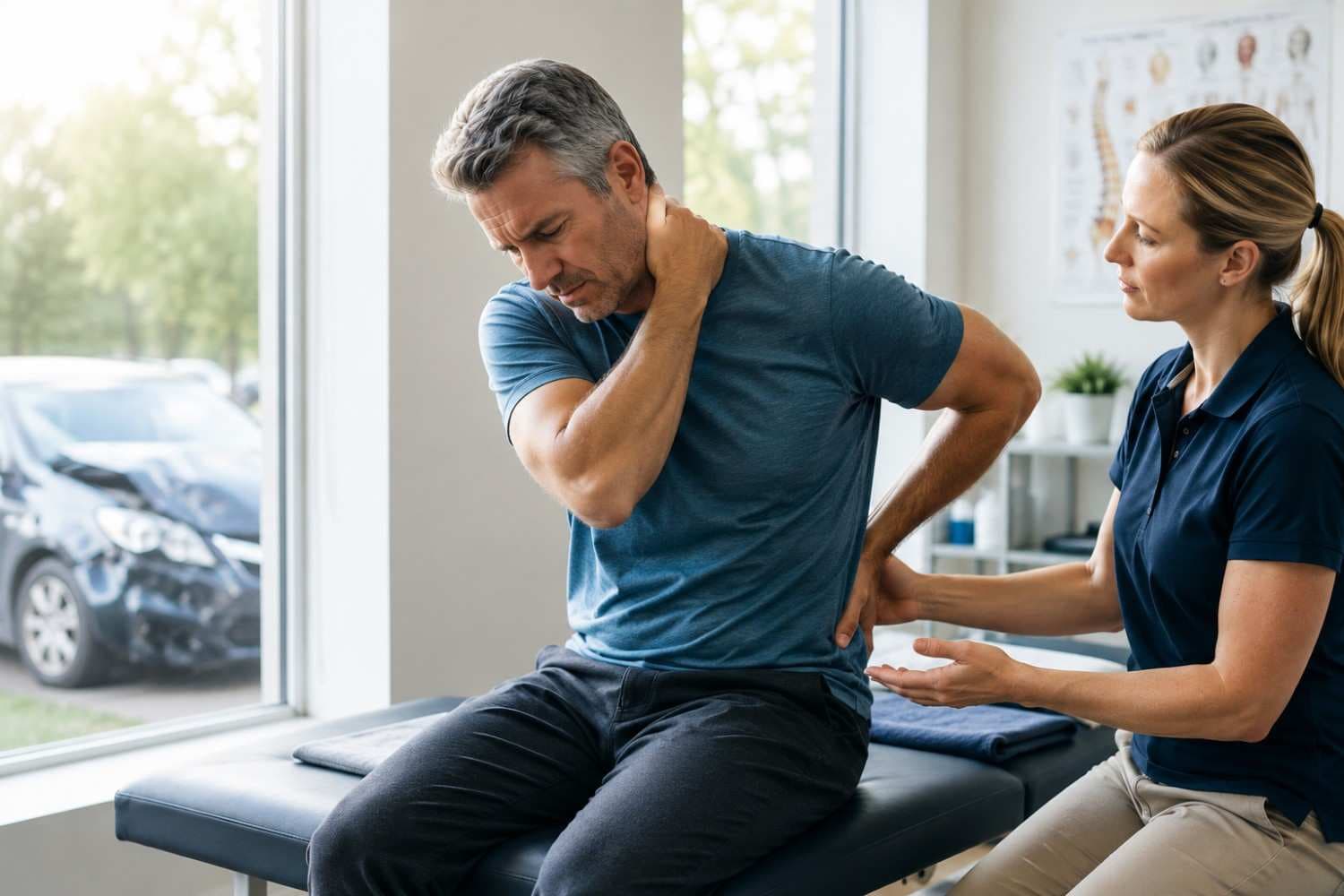
Explain how some serious injuries may not show symptoms immediately and why prompt medical care is essential. The rush of adrenaline and the shock of the accident can mask pain and discomfort. Common delayed-onset injuries include whiplash, concussions (mild traumatic brain injury) soft tissue injuries like muscle strains and sprains, and even internal injuries or back pain from herniated discs. These injuries may not present noticeable symptoms for hours or even days after the collision. This is why a delayed medical evaluation is so risky you might believe you’re fine when a serious injury is developing. Seeking prompt medical attention establishes a clear link between your injuries and the car accident, which is vital for both your health and any potential insurance or legal claims.
Medical Care Options in Beaumont
Provide overview of medical care options in Beaumont. Depending on the severity of your injuries and the time of day, you have several options for seeking medical care:
- Emergency Rooms: For severe or potentially life-threatening injuries, go to the nearest emergency room in Beaumont immediately.
- Urgent Care Facilities: For non-life-threatening injuries that require prompt attention, an urgent care clinic in Beaumont can provide timely evaluation.
- Primary Care Physicians: If your injuries seem very minor and you can get a timely appointment, you can see your regular doctor, but inform their office staff it’s due to a car accident.
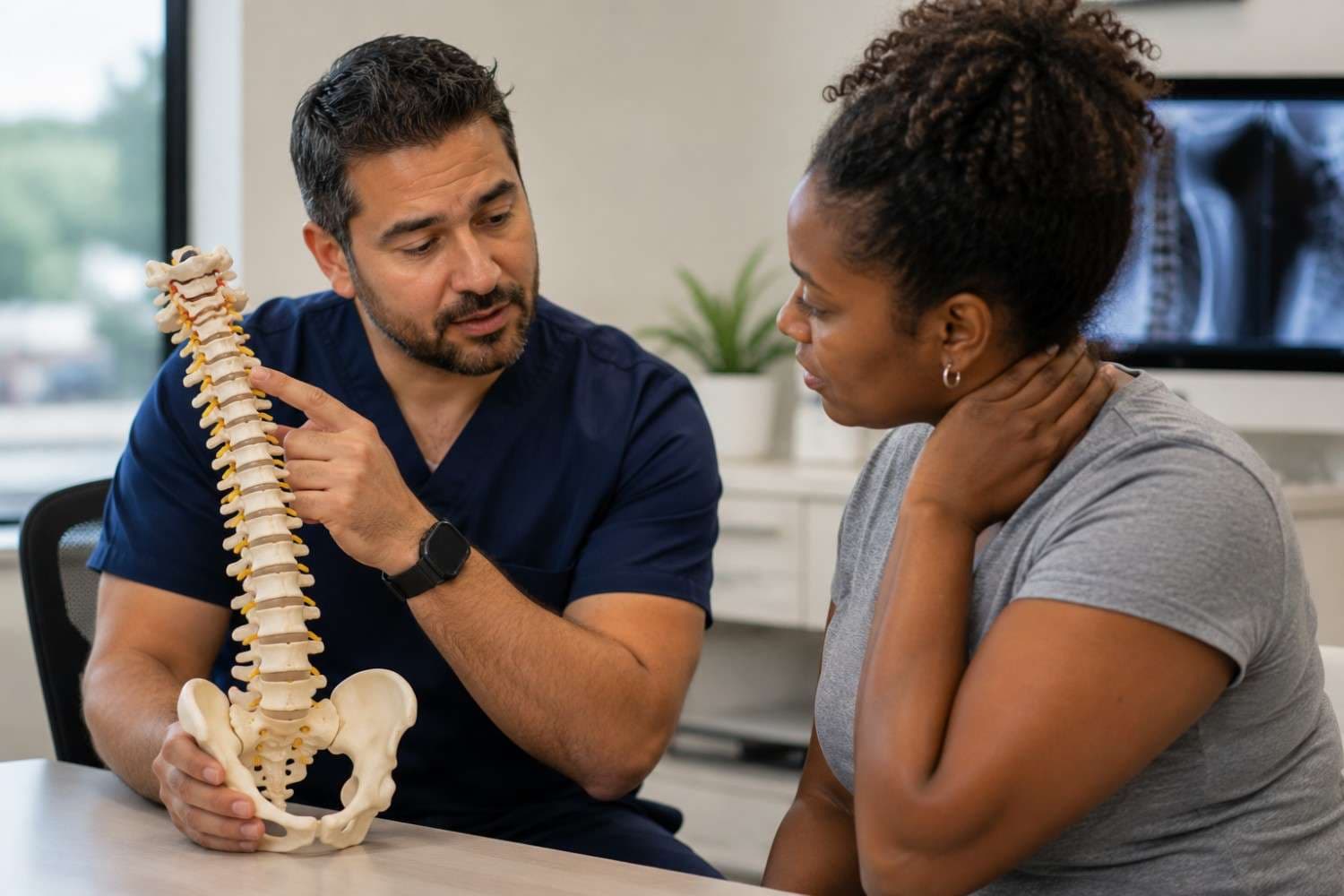
- Specialized Accident Care Facilities: Some clinics in Beaumont specialize in treating injuries commonly sustained in car accidents, such as whiplash, back pain, and soft tissue injuries.
Documenting Your Medical Care
Explain the importance of keeping detailed records of all medical visits. Maintain a file with all documentation related to your medical care after the accident. This includes dates of visits, names of healthcare providers, diagnoses, treatment plans, medications prescribed, therapy sessions, and all related bills and expenses. Keeping a pain journal, where you note your symptoms, their intensity, and how they affect your daily activities, can also be incredibly helpful for documenting your experience. Consistent and detailed documentation of your medical care is crucial for establishing the extent of your injuries for insurance claims and any potential legal proceedings.
Understanding Treatment options for whiplash injuries is part of this process. Additionally, car accidents can have emotional impacts, so understanding Understanding PTSD after car accidents is important for comprehensive recovery.
Understanding Treatment options for whiplash injuries is part of this process. Additionally, car accidents can have emotional impacts, so understanding Understanding PTSD after car accidents is important for comprehensive recovery.

Additional Important Steps After the Immediate Response
Beyond the five immediate actions, there are other crucial follow-up steps you should take in the days and weeks following a car accident in Beaumont to protect your health, rights, and financial interests.
Notifying Your Insurance Company
Explain the process for reporting the accident to your insurance company. You should notify your own insurance company as soon as possible after the accident, usually within 24 hours or as required by your policy. Provide them with the basic details of the accident, including the date, time, location, and the other driver’s information. Discuss what information they’ll need, which typically includes the police report number (once available) and details about the vehicles and parties involved. Be cautious about giving detailed statements or speculating on fault. Review your policy documents to understand your coverage and notification requirements. Common pitfalls to avoid include delaying notification and providing excessive detail or admitting fault before the full investigation is complete.
Understanding Texas Reporting Requirements
Detail any additional reporting requirements beyond the police report. While the police report covers the official reporting to the state in most cases, it’s important to be aware of other requirements. For instance, if a police report was not filed for a reportable accident, the drivers are legally required to file a Driver’s Crash Report (Form CR-2) with TxDOT within 10 days. Understanding these requirements ensures that the accident is properly documented with the state, which is essential for insurance claims and legal matters.
Specialized care for auto accident injuries is available to help you navigate the medical aspects of your recovery after reporting.
When to Consult with a Legal Professional
Provide guidance on circumstances that might warrant consulting with a personal injury attorney in Beaumont. It is often advisable to speak with an attorney if:
- You sustained injuries in the accident, especially if they require ongoing medical treatment or affect your ability to work.
- Fault for the accident is disputed.
- The accident involved a commercial vehicle.
- The insurance company is delaying or denying your claim.
- You are being pressured by the insurance company to accept a quick settlement.
- The other driver was uninsured or underinsured.
An attorney experienced in Texas auto accident laws can help you understand your rights, navigate the complex legal and insurance processes, and pursue fair compensation for your losses.

Common Mistakes to Avoid After a Beaumont Car Accident
Knowing common pitfalls can help you protect yourself and ensure a smoother recovery process after a car accident in Beaumont. Highlight pitfalls that can compromise health recovery or legal/insurance claims.
Delaying Medical Treatment
Delaying medical treatment is one of the most significant mistakes you can make. Explain how delaying treatment can worsen injuries and complicate insurance claims. Even if you feel okay immediately after the accident, delayed-onset symptoms are common. Waiting to see a doctor can not only potentially worsen an injury that could have been treated earlier but also makes it harder to prove that your injuries were directly caused by the accident. Insurance companies may argue that your injuries resulted from something else that happened after the accident.
Schedule a doctor consultation after your accident promptly to avoid this mistake.
Admitting Fault
Explain why drivers should avoid admitting fault. Never admit fault for the accident at the scene, to the other driver, to passengers, or even to the police (beyond stating the facts of what happened). Determining fault is a complex process that involves investigating all contributing factors. Making statements that could be interpreted as admitting fault could severely jeopardize your ability to recover compensation later.
Accepting Quick Settlement Offers
Discuss why early settlement offers from insurance companies may not fully cover long-term medical needs and losses. Insurance adjusters may contact you soon after the accident with a quick settlement offer, especially if your injuries don’t seem severe. However, the full extent of your injuries, particularly delayed-onset ones like whiplash, may not be known for days or weeks. Accepting a quick settlement usually means signing away your right to seek additional compensation later, even if your medical expenses end up being much higher than anticipated. It’s wise to consult with a doctor and potentially an attorney before accepting any settlement offer.

Highlight Beaumont-specific considerations, such as accidents involving industrial or commercial vehicles. These cases can be more complex due to corporate structures and insurance policies, making careful handling and avoiding these common mistakes even more critical. Avoiding these pitfalls is crucial for protecting your well-term interests after a car accident.
Long-Term Care Considerations After a Car Accident
The impact of a car accident can extend beyond immediate injuries, requiring long-term care considerations. Provide information about ongoing care needs that might develop.
Physical Rehabilitation Options in Beaumont
Overview of rehabilitation services available locally for accident victims. For injuries like whiplash, back pain, or fractures, physical therapy and rehabilitation are often necessary to regain strength, flexibility, and full function. Beaumont has numerous physical therapy clinics and rehabilitation centers that specialize in helping patients recover from auto accident injuries. These programs can be tailored to your specific injury and recovery goals.
Chiropractic treatment for accident injuries can also be a key part of physical rehabilitation.
Addressing Mental Health Concerns
Discuss potential psychological impacts of accidents. Car accidents can be traumatic events that lead to anxiety, depression, and even Post-Traumatic Stress Disorder (PTSD). Addressing these mental health concerns is just as important as treating physical injuries. Explain how to seek appropriate care. Therapy, counseling, or support groups can provide valuable support during your emotional recovery.
Treatment for PTSD after car accidents is available to help address these impacts.
Managing Chronic Pain
Information about pain management approaches for accident-related injuries. Some accident injuries can lead to chronic pain that persists long after the initial healing period. Pain management specialists in Beaumont offer various treatments, such as injections, nerve blocks, or physical therapy, to help manage chronic pain and improve quality of life.
Expert pain management after accidents is crucial for addressing ongoing discomfort.

Beaumont-Specific Resources for Accident Victims
Knowing where to find help locally in Beaumont is essential after an accident. Provide local resources relevant to Beaumont residents.
Local Emergency Services
List of emergency rooms, urgent care facilities, and their locations in Beaumont. Providing names of major hospitals with ERs and reputable urgent care clinics can be helpful for those needing immediate care.
For around-the-clock medical attention 24/7 emergency care in Beaumont is available.
Beaumont Police Department Information
Contact information and procedures for obtaining accident reports from Beaumont PD. Directing users to the official source for obtaining their police report is a valuable local resource.
Local Support Services
Information about support groups or services that might help accident victims during recovery. Mentioning resources like support groups for accident survivors or those dealing with chronic pain can provide a sense of community and shared experience.

Conclusion
Navigating the aftermath of a car accident in Beaumont, TX requires prompt, informed action. By following these five critical steps – ensuring safety and checking for injuries, calling the police, exchanging information, documenting the scene, and seeking medical attention – you can protect your safety, your health, and your rights during a challenging time.
Emphasize the importance of seeking proper medical care after any accident, even minor ones, due to potential delayed symptoms. Early medical evaluation is crucial for accurate diagnosis and timely whiplash treatment Beaumont TX, back pain management, or care for other injuries. Proper documentation and reporting provide the necessary evidence for insurance claims and legal proceedings. Remember that recovery involves addressing both the physical and emotional aspects of the accident.
If you need to Contact our Beaumont team now for assistance.

Learn more about our comprehensive car accident care and how we can support your recovery journey.
FAQs About Beaumont Car Accidents
Here are some frequently asked questions specific to car accidents in Beaumont, TX:
- When should I call the police after a minor car accident in Beaumont? Even for minor accidents, if there are any injuries or property damage appears to be $1,000 or more, Texas law requires you to report it to the police. It’s often best to call the Beaumont Police Department to ensure proper documentation, even if it seems minor at the time.
- What is the average response time for police to an accident in Beaumont? Response times can vary based on location, time of day, and call volume, but the Beaumont Police Department strives to respond as quickly as possible to accident scenes, particularly those involving injuries.
- Do I have to move my car after a minor accident in Beaumont? Texas law allows you to move your vehicle if it’s blocking traffic and you can do so safely, especially on highways. However, if there are injuries or significant damage, it’s generally best to leave the vehicles in place unless they pose an immediate hazard.
- What medical facilities in Beaumont specialize in car accident injuries? Several emergency rooms, urgent care centers, and specialized clinics in Beaumont are equipped to treat car accident injuries, including those focusing on orthopedics, physical therapy, and pain management. Find a list of local medical facilities
- How long do I have to file an insurance claim after a car accident in Texas? Most insurance policies require prompt notification. Review your specific policy. There is also a general two-year statute of limitations for filing a personal injury lawsuit in Texas.
- What is the minimum car insurance coverage required in Texas? Texas requires drivers to carry minimum liability coverage, currently $30,000 per person for bodily injury, $60,000 per accident for bodily injury, and $25,000 for property damage. However, this may not be sufficient for serious accidents.
- Should I give a recorded statement to the other driver’s insurance company? It is generally advisable to consult with your own insurance company or an attorney before giving a recorded statement to the other party’s insurer.
- Where can I get a copy of my police report in Beaumont? You can typically obtain a copy of the police report from the Beaumont Police Department’s records division.
- What are common delayed-onset injuries after a car accident? Common delayed injuries include whiplash, headaches, back pain, and soft tissue injuries. Learn more about whiplash. Understand soft tissue injuries.
- How can a lawyer help me after a car accident in Beaumont? A personal injury lawyer can help you understand your rights, navigate insurance claims, determine fault, negotiate settlements, and pursue compensation for your medical expenses and other damages.
Medically reviewed by
Verified
DS
Deepak Sharma
DC
Owner & Doctor of Chiropractic
Deepak Sharma, DC is a licensed Doctor of Chiropractic and the owner of Car Accident Cares in Beaumont, TX. He reviews the clinical content published across the site and works with a multidisciplinary network of MDs, chiropractors, imaging centers, and pain-management specialists focused on accurate diagnosis, evidence-based treatment, and complete recovery for motor-vehicle-accident victims across Beaumont and Houston.